Common Plumbing Issues and Fixes
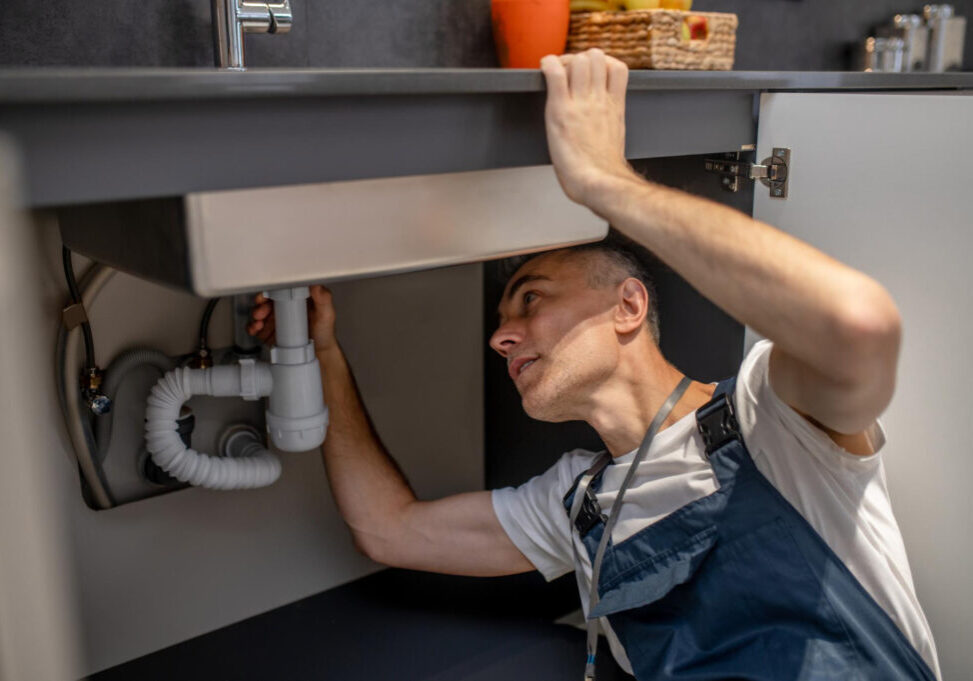
Plumbing problems can be a real headache, but knowing how to handle some common issues can save you time and money. Whether it’s a dripping faucet or a clogged drain, these problems can disrupt your daily routine and lead to larger issues if not addressed promptly. Fortunately, many plumbing fixes are straightforward and can be done with basic tools and a little know-how.
One of the most frequent plumbing problems homeowners face is a dripping faucet. The constant sound of dripping water is annoying and wastes a lot of water over time. Fixing a dripping faucet is usually simple and can often be done without professional help. Similarly, low water pressure can be a frustrating issue, affecting everything from showering to washing dishes. Identifying the cause and fixing it can restore your water flow to normal levels.
Blocked drains are another common problem many homeowners encounter. Clogged drains can cause water to back up in sinks, tubs, and showers, leading to unpleasant odors and potential water damage. Learning effective methods to unclog drains can keep your plumbing system running smoothly. Finally, running toilets can waste a significant amount of water, driving up your water bill. Knowing the common causes and how to fix them can help you maintain your home efficiently.
In this article, we’ll explore these common plumbing problems and provide practical solutions to fix them. With a little effort, you can tackle these issues and keep your plumbing in top shape, ensuring a comfortable and problem-free home.
Dripping Faucets and How to Fix Them
Dripping faucets are a common household nuisance. They can waste gallons of water and increase your utility bill. Fortunately, fixing them is often a simple task. Understanding the common causes can help you address the issue swiftly.
Worn-out washers are the most frequent cause of a dripping faucet. Over time, the washer inside the tap gets pressed against the valve seat, leading to wear and tear. Replacing the washer usually stops the drip. You only need a screwdriver, wrench, and a replacement washer to complete the job.
Another possible culprit is a corroded valve seat. The valve seat connects the faucet to the spout and can corrode over time, especially if minerals build up. Cleaning or replacing the valve seat can solve the problem. You might need specialized tools to remove the valve seat, so consulting a professional if unsure can save time and frustration.
Lastly, problems like loose or damaged O-rings can also cause dripping. The O-ring, a small disc attached to the stem screw, can wear out or become loose with usage. Replacing it is straightforward. Turn off the water supply, disassemble the handle, and replace the old O-ring with a new one. Reassemble the faucet, and the drip should be gone.
Dealing with Low Water Pressure
Low water pressure can be more than an annoyance. It can disrupt your daily routines, making tasks like showering and washing dishes difficult. Identifying the cause and applying the right fix can resolve the issue.
One of the primary causes of low water pressure is a buildup of mineral deposits in the pipes. These deposits can restrict water flow, significantly reducing pressure. Cleaning out aerators and showerheads regularly can help. Soaking them in vinegar overnight can dissolve mineral deposits, restoring normal water flow.
Leaks in your plumbing system can also lead to low water pressure. Inspect visible pipes and check for signs of water damage or moisture. If you suspect a leak but can’t find one, contacting a licensed plumber can help. They have tools to detect and fix hidden leaks.
Another common cause is issues with the main water supply valve. If the valve is not fully open, it can limit water pressure throughout your home. Locate the valve, usually near your water meter or where the main water line enters the house, and ensure it’s fully open. If the valve is damaged, you may need to replace it.
By identifying these issues and applying appropriate fixes, you can restore adequate water pressure to your home, ensuring a steady and strong water flow for all your daily needs.
Unclogging Drains: Tips and Tricks
Clogged drains are a common household issue that can cause water to back up and create unpleasant odors. Fortunately, there are several effective methods to clear these blockages and keep your plumbing system running smoothly.
A plunger is often the first tool to reach for when dealing with a clogged drain. Plungers work by creating pressure that can dislodge the blockage. Use a plunger specifically designed for sinks or toilets, and ensure there is enough water to cover the plunger’s rubber cup. Push and pull vigorously to create suction and dislodge the clog.
If a plunger doesn’t work, you can try using a drain snake or auger. This flexible tool can reach deep into pipes to break up and remove blockages. Insert the snake into the drain and rotate the handle to push it through the clog. Once you feel resistance, continue rotating until the blockage is cleared.
Chemical drain cleaners are another option, but they should be used sparingly. These cleaners can be harsh on your pipes and the environment. Follow the instructions carefully, and never mix different types of cleaners, as this can create dangerous fumes.
Preventive measures can also help you avoid future clogs. Regularly clean your drains by pouring boiling water down them once a week. This can help dissolve grease and soap buildup. For kitchen sinks, use a strainer to catch food particles and avoid pouring grease down the drain.
Fixing Running Toilets
A running toilet can waste a lot of water, leading to higher utility bills. Understanding the common causes and how to fix them can save you money and prevent water waste.
The flapper valve is often the culprit behind a running toilet. This rubber valve sits at the bottom of the tank and controls the flow of water into the bowl. If the flapper valve is worn or damaged, it may not seal properly, allowing water to leak into the bowl. Replacing the flapper is a simple fix. Turn off the water supply, remove the old flapper, and install a new one.
Another common issue is a malfunctioning fill valve. The fill valve controls the water level in the tank. If it’s improperly adjusted, the tank may overflow, causing the toilet to run continuously. Adjust the float arm or replace the fill valve if necessary. Make sure to set the water level to one inch below the overflow tube.
In some cases, the problem might lie with the flush handle or chain. If the chain is too short or tangled, it can prevent the flapper from closing. Adjusting the chain length or straightening it can resolve the issue. Also, ensure the flush handle moves freely and isn’t stuck in the down position.
By addressing these common problems, you can stop your toilet from running, conserve water, and reduce your water bill.
Conclusion
Dealing with common plumbing issues doesn’t have to be overwhelming. Whether it’s fixing a dripping faucet, restoring water pressure, unclogging drains, or stopping a running toilet, knowing these practical solutions can help you keep your home in good working order. Regular maintenance and timely repairs can prevent minor problems from turning into major headaches.
At our home warranty company, HomeMembership, we understand the importance of a well-maintained home. Our services allow you to choose your own service provider and get reimbursed for covered repairs. With our low deductible and easy process, you can enjoy peace of mind knowing your plumbing issues are in good hands.
Explore the benefits of our plumbing home warranty coverage and take the hassle out of home repairs today.
Related Posts