How to Improve Indoor Air Quality for a Healthier Home

Breathing clean air is essential for your well-being. While you might spend time thinking about outdoor air pollution, indoor air quality is just as important. Poor indoor air can affect your health, causing allergies, asthma, and other respiratory problems.
Improving indoor air quality doesn’t have to be complicated. Simple changes and regular maintenance can make a significant difference. Good air quality helps keep your family healthy and your home comfortable. By understanding and addressing the main factors affecting your home’s air, you can create a safer environment.
Whether it’s enhancing ventilation, using air purifiers, or managing humidity levels, there are effective ways to improve the air you breathe indoors. Making these changes can lead to better health and more enjoyable living space. Let’s explore some practical steps to help you achieve this goal.
Improve Ventilation in Your Home
Proper ventilation is vital for good indoor air quality. It helps remove pollutants and brings in fresh air. Improving ventilation can be simple and effective.
1. Open Windows and Doors: One of the easiest ways to improve ventilation is by opening windows and doors. This allows fresh air to circulate and pushes out stale air. Try to do this daily, even for just a few minutes.
2. Use Exhaust Fans: Exhaust fans in kitchens and bathrooms help remove moisture, odors, and pollutants. Make sure these fans are properly vented to the outside, not into other parts of your home.
3. Install Air Vents: Ensure that air vents are clean and unobstructed. Blocked vents can restrict airflow and reduce the efficiency of your ventilation system. Regular cleaning ensures that air can move freely.
4. Ceiling Fans: Ceiling fans can help air circulate throughout the home. During warmer months, set them to spin counterclockwise to push cool air down. In colder months, set them to spin clockwise to help distribute warm air.
Improving indoor ventilation helps maintain cleaner, healthier air in your home. Even small adjustments can make a big difference in air quality.
Use Air Purifiers and Plants
Air purifiers and houseplants can improve indoor air quality by removing pollutants and adding freshness to the environment. Here are ways to use both effectively:
1. Air Purifiers: Choose an air purifier suited to the size of your room. Look for models with HEPA filters, which capture tiny particles like dust, pollen, and pet dander. Place the purifier in rooms where you spend the most time, like the living room or bedroom.
2. Houseplants: Some houseplants are natural air purifiers. Plants like spider plants, snake plants, and peace lilies can absorb pollutants and release oxygen. Besides improving air quality, they add a touch of nature to your home.
3. Regular Maintenance: For air purifiers to work effectively, clean or replace the filters as recommended by the manufacturer. Similarly, caring for houseplants by watering and removing dead leaves ensures they remain healthy and continue to purify the air.
Using air purifiers and houseplants together creates a cleaner and more pleasant indoor environment. They help reduce airborne pollutants and improve the overall air quality.
Maintain HVAC Systems and Replace Filters
Regular HVAC maintenance is crucial for maintaining good indoor air quality. A well-maintained system efficiently removes pollutants and provides clean air.
1. Regular Inspections: Schedule regular inspections by a licensed HVAC professional. They can spot potential issues before they become major problems, ensuring your system runs smoothly.
2. Replace Filters: Change your HVAC filters every 1-3 months. Dirty filters can clog and reduce airflow, causing the system to work harder and distribute less clean air. HEPA filters are a good choice for capturing small particles.
3. Clean Ducts and Vents: Over time, dust and debris can accumulate in ducts and vents. Cleaning them can prevent these pollutants from circulating through your home. Regular cleaning keeps the system efficient and the air quality high.
4. Check for Leaks: Inspect ducts for leaks or holes. Leaking ducts can let pollutants in and disrupt the airflow. Sealing leaks improves system efficiency and overall air quality.
Maintaining your HVAC system keeps your home comfortable and your air clean. Regular care can extend the life of the system and ensure it functions efficiently.
Address Humidity Levels and Control Moisture
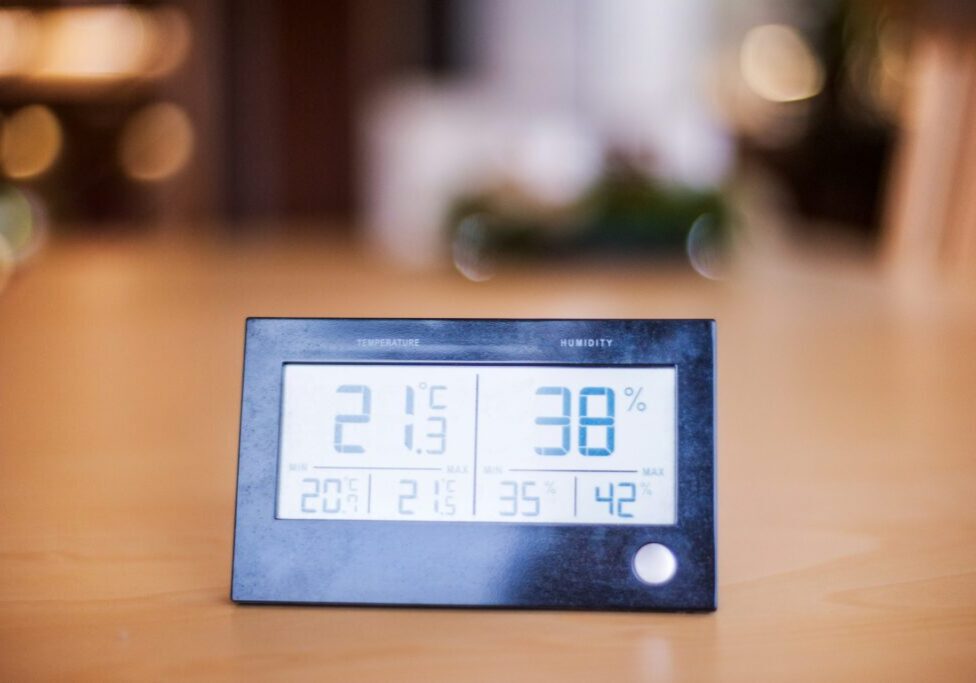
Controlling humidity in your home is key to good air quality. Too much moisture can lead to mold growth and respiratory issues.
1. Use Dehumidifiers: In areas with high humidity, dehumidifiers can help. They reduce moisture levels, preventing mold and mildew. Place them in damp areas like basements and bathrooms.
2. Fix Leaks: Check for and repair any leaks in your home. Leaking pipes or roofs can raise humidity levels and encourage mold growth. Promptly fixing leaks keeps humidity in check.
3. Ventilation: Ensure proper ventilation in moisture-prone areas. Exhaust fans in bathrooms and kitchens help move damp air outside, reducing indoor humidity.
4. Household Practices: Simple changes at home can control moisture. Use lids on pots while cooking to reduce steam, and hang wet laundry outside to dry if possible.
Keeping humidity levels balanced prevents mold and protects your health. These steps help maintain a healthy home environment.
Conclusion
Improving indoor air quality is essential for a healthier living space. By enhancing ventilation, using air purifiers, maintaining HVAC systems, and controlling humidity, you can significantly improve the air in your home. These actions not only create a more comfortable environment but also protect your family’s health.
If an unexpected repair is needed, HomeMembership can simplify the process. Choose your own service provider, submit the repair receipt, and get reimbursed based on our brochure totals. You don’t need to contact us for approval beforehand, making it hassle-free.
Keep your home healthy and your air clean. Visit HomeMembership to learn how our membership can help with your home repair assistance needs. Breathe easier knowing you have support when you need it the most.
Related Posts