
Does a Home Warranty Cover Termite Damage Repair
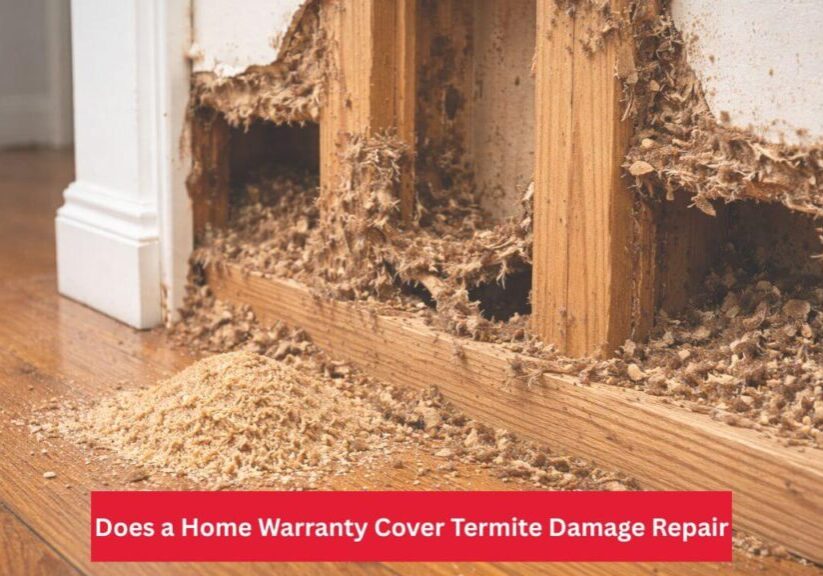
Termite damage is one of the most overlooked yet destructive problems a homeowner can face, often leading to costly termite damage repair. These small insects quietly feed on wood and other cellulose materials, often causing significant structural damage before there are any visible warning signs. According to the U.S. Environmental Protection Agency, termites cause billions of dollars in property damage each year in the United States, making them one of the most costly household pests. By the time homeowners notice sagging floors, hollow-sounding wood, or weakened walls, the damage is often already extensive.
The financial impact can be substantial. Data from Angi shows that the average cost to repair termite damage can range from $3,000 to $8,000 or more, depending on the severity and structural impact. Because of these potentially high costs, many homeowners turn to home warranties, hoping their plan will help cover repairs and reduce out-of-pocket expenses.
However, it’s important to set the right expectations from the start. Most home warranties are designed to cover systems and appliances that fail due to normal wear and tear, not damage caused by pests. As a result, termite damage repair is typically not included, making it essential for homeowners to understand the limits of their coverage and explore additional protection options if needed.
What Is Termite Damage?
Termite damage refers to the destruction caused by termites as they feed on wood and other cellulose-based materials commonly found in homes, often leading to the need for termite damage repair. These pests work silently, often going unnoticed for months or even years while gradually weakening the structure from the inside out. Unlike sudden damage from storms or accidents, termite damage develops slowly, making it harder to detect until it becomes a serious issue.
Common areas affected include:
- Wood structures: Beams, support frames and roof structures
- Flooring: Hardwood floors and subflooring can become weak or hollow
- Walls: Drywall and wooden studs are frequent targets
- Foundation elements: Especially in homes with wood-to-ground contact
Because termites rely on moisture and access points to survive, their presence is often linked to conditions that homeowners can manage. Issues like excess moisture, poor ventilation, and unsealed cracks create the perfect environment for infestations. For this reason, termite damage is generally considered preventable with proper maintenance, routine inspections and early intervention.

Do Home Warranties Cover Termite Damage Repair?
In most cases, the answer is simple: no, home warranties do not cover termite damage.
Home warranties are designed to protect major home systems and appliances, such as HVAC, plumbing and electrical, when they fail due to normal wear and tear. These plans focus on mechanical breakdowns rather than external causes of damage.
Termite damage falls into a different category. Because it is caused by pests, it is typically classified as pest-related or structural damage, both of which are excluded from standard home warranty coverage. Even if termites impact a covered system, the warranty provider will usually deny the claim if the root cause is an infestation.
Why Termite Damage Repair Is Usually Excluded
There are several reasons why termite damage is almost always excluded from home warranty coverage.
First, pest infestations are considered preventable. With regular inspections, proper home maintenance and timely treatment, homeowners can significantly reduce the risk of termites. Because of this, warranty providers view termite damage as something that can be avoided rather than an unexpected failure.
Second, termite damage typically develops over time. It is not a sudden breakdown but a gradual issue that worsens due to neglect or unnoticed conditions. Home warranties are structured to cover sudden and unavoidable malfunctions, not long-term damage.
Finally, repairing termite damage often involves structural work, such as replacing beams, repairing walls or reinforcing foundations. These types of repairs go beyond the scope of what a standard home warranty covers, which is why they are excluded from most plans.
What a Home Warranty May Cover Instead
While standard home warranties generally do not cover termite damage, they may still provide coverage for systems or components affected by termites, but only if the failure is unrelated to the infestation itself. For example, if an HVAC unit stops working due to normal wear and tear, the warranty could cover the repair, even if termites are present elsewhere in the home. Similarly, electrical wiring repairs may be covered if the issue stems from mechanical failure and not termite activity.
It’s important for homeowners to carefully review the terms and conditions of their home warranty. Providers vary in what they consider “damage due to external factors,” so understanding the fine print ensures you know what is and isn’t covered before filing a claim.
Home Warranty vs. Termite Protection Plan
A home warranty and a termite or pest protection plan serve very different purposes.
- Home warranty: Covers mechanical systems and appliances for breakdowns due to normal wear and tear. It is not designed to handle pest infestations or structural repairs caused by termites.
- Termite protection plan or bond: Focuses specifically on preventing and addressing termite infestations. Typical services include:
- Inspections: Regular termite checks to identify early signs of infestation
- Preventative treatments: Chemicals or bait systems to deter termites
- Repair guarantees: Some plans offer limited coverage to repair termite damage detected during treatment
Combining a home warranty with a termite protection plan ensures broader coverage for both everyday system failures and pest-related issues.
How to Protect Your Home From Termite Damage
Preventing termite damage is far more cost-effective than repairing it. Practical steps include:
- Schedule regular inspections: Have a licensed pest professional check your home at least annually
- Reduce moisture around the home: Fix leaks, improve drainage and maintain gutters to remove excess water
- Seal cracks and entry points: Close gaps in foundations, walls and around windows and doors to block termite access
- Store wood away from the house: Keep firewood, lumber, and mulch at a safe distance from your home to prevent attracting termites
By combining these preventive measures with a termite protection plan and a home warranty for system breakdowns, homeowners can safeguard both their property and their wallet.
When a Home Warranty Still Adds Value
Even though most home warranties do not cover termite damage, they still provide significant value for homeowners. These plans can protect against unexpected appliance breakdowns. Breakdowns like refrigerators to washing machines, and cover major system repairs, such as HVAC, plumbing, or electrical systems.
Another advantage is the flexibility to choose your own service providers, a key benefit offered by HomeMembership. This allows homeowners to select trusted technicians rather than being limited to a provider list, making repairs faster and more convenient. Over time, these protections can lead to substantial cost savings on repairs that are unrelated to termite damage, helping you manage household expenses more predictably.
Choosing the Right Coverage Strategy
For comprehensive home protection, consider combining a home warranty with a pest control or termite protection plan. This approach ensures that both your major systems and potential termite risks are addressed.
Before purchasing any plan, always review exclusions carefully. Understanding what is and isn’t covered prevents surprises when you need service. Additionally, look for providers that offer flexibility and transparency in their terms, giving you more control and peace of mind over your home protection strategy.
Conclusion
Termite damage is typically not covered by standard home warranties, making termite damage repair, prevention, and early detection essential. Homeowners can still benefit from warranties for appliance failures and major system repairs, especially when paired with a termite protection plan.
By taking proactive steps, such as regular inspections, proper maintenance, and combining the right coverage options, you can protect your home and reduce costly repairs. Explore flexible home warranty options like HomeMembership to gain broader home protection and the freedom to choose your technicians for reliable service.
Related Posts