Home Repair Costs: Complete Guide 2026
That dripping faucet or a flickering light might seem like no big deal at first, but the truth is, all those small issues rarely stay small. Usually, what starts as a simple repair can quickly turn into a costly emergency, especially when hidden damage or system failure is involved.
In 2026, home repair costs are rising faster than many budgets can handle. The inflation has pushed up the price of materials, and labor shortages in skilled trades such as plumbing, electrical work, and HVAC repair are increasing service fees across the board. On top of that, many homes are aging, which means more systems are reaching the point where repairs are no longer optional but urgent and often more complex.
U.S. homeowners are now spending over $500 billion a year on home improvements and repairs, according to the Harvard Joint Center for Housing Studies, highlighting just how costly maintaining a home has become.
In this guide, we will break down what real home repairs actually cost in 2026, we will explain the main factors driving those prices, and we’ll share practical ways you can prepare for and handle these unexpected hits.
Average Home Repair Costs in 2026
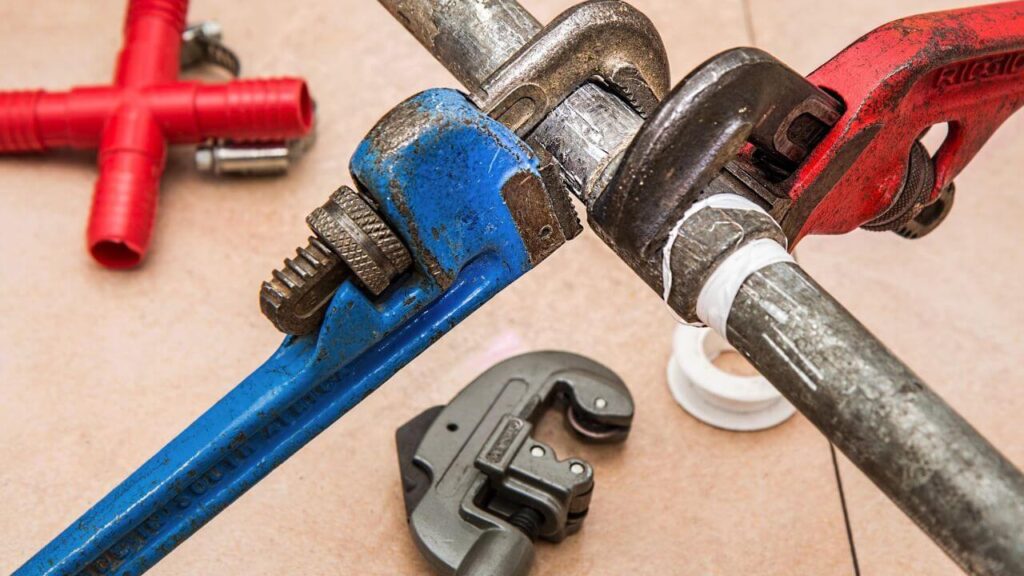
Home repair costs keep climbing in 2026, thanks to higher labor rates, rising material prices, and strong demand for skilled contractors. While small fixes are still somewhat affordable, big system breakdowns can hit you with surprisingly expensive bills.
On average, most homeowners in the U.S. pay between $150 and $1,200 for a typical repair visit. But when it comes to major systems, you’re often looking at several thousand dollars, depending on how bad the problem is.
Prices can vary widely based on where you live, whether it’s a regular or emergency call, and especially on the age of your home. Older systems usually need more complicated work and pricier parts.
Here’s a realistic breakdown of common home repairs and what they typically cost nationwide in 2026:
Plumbing repairs
Plumbing remains one of the most frequent and unpredictable repair categories.
- Basic faucet repair: $125 – $350
- Toilet repair: $150 – $400
- Drain cleaning: $150 – $500
- Pipe leak repair: $200 – $1,000+ (higher if walls or slab are involved)
- Water heater repair: $200 – $900
- Full water heater replacement: $1,200 – $3,500
Emergency plumbing calls can increase total costs by 25%–100%, especially after hours or weekends.
Electrical repairs
Electrical work is typically labor-intensive and requires licensed professionals, which increases overall cost.
- Outlet or switch repair: $100 – $250
- Circuit breaker replacement: $150 – $400
- Electrical wiring repair (minor): $200 – $800
- Panel upgrade or major repair: $1,200 – $3,500+
- Emergency electrical service call: $150 – $500+
Older homes with outdated wiring tend to fall on the higher end due to safety compliance updates.
HVAC repairs
Heating and cooling systems are among the most expensive repair categories due to complex components.
- AC refrigerant recharge: $200 – $600
- Thermostat replacement: $120 – $350
- Furnace repair: $150 – $900
- AC compressor repair: $800 – $2,500
- Full HVAC system replacement: $5,000 – $12,000+
Seasonal demand significantly affects pricing, with summer and winter emergency repairs costing more. Here you can learn more about our Home Systems Warranty Coverage.
Appliance breakdowns
Appliance repair costs depend heavily on brand, age, and part availability.
- Refrigerator repair: $200 – $600
- Dishwasher repair: $150 – $400
- Washing machine repair: $150 – $500
- Dryer repair: $150 – $450
- Oven/stove repair: $150 – $600
In many cases, if repair costs exceed 50% of replacement value, homeowners opt for replacement instead.
Roofing and exterior damage
Exterior repairs are highly variable and often driven by weather events and material type.
- Roof leak repair: $350 – $1,200
- Shingle replacement (small section): $250 – $900
- Full roof replacement: $8,000 – $20,000+
- Gutter repair or replacement: $150 – $1,500
- Siding repair: $300 – $1,800
Storm-related damage can really drive up both costs and wait times because so many contractors get swamped with urgent calls.
Even everyday maintenance problems can run anywhere from a few hundred dollars to several thousand, depending on how serious they are. Since prices depend heavily on where you live, whether it’s an emergency, and how old your home is, two identical repairs can end up costing very different amounts for different homeowners.
Plumbing repair costs explained
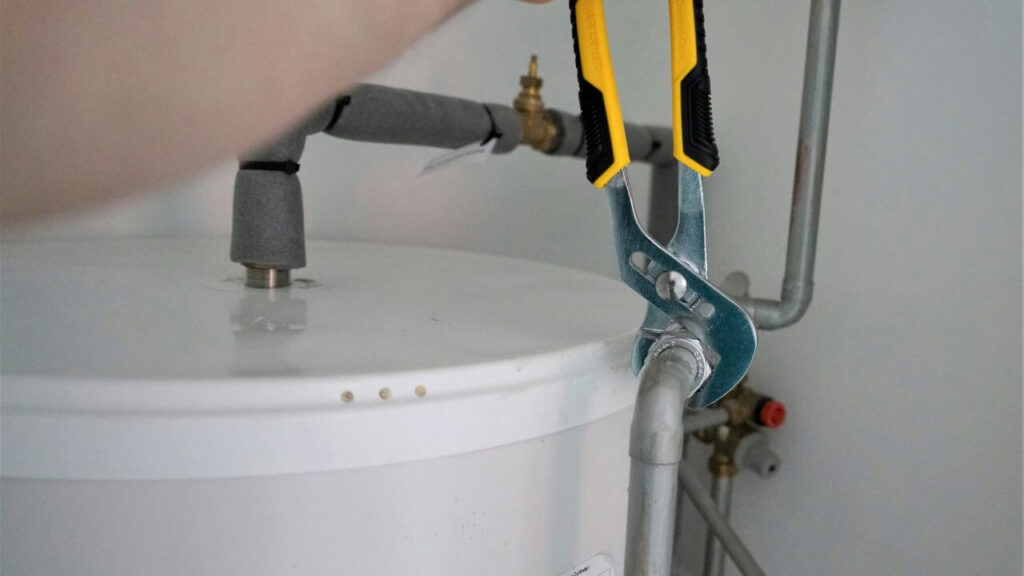
Plumbing repairs are one of the most common (and often most frustrating) home expenses. Prices can vary a lot depending on what’s wrong and how fast you need it fixed.
According to national contractor data and sites like Angi, HomeAdvisor, and Fixr, most common plumbing issues in the U.S. typically cost between $125 and $1,000+. Bigger jobs, like major replacements, can easily run into several thousand dollars.
Below is a breakdown of typical plumbing problems and their average cost ranges:
Leaky faucet
A leaking faucet is one of the most frequent plumbing issues and is usually considered a minor repair.
- Typical repair cost: $125 – $350
- In some cases (new cartridge or valve replacement): up to $400+
Even though the repair is simple, costs can increase if internal parts are corroded or if multiple fixtures are affected.
Pipe repair or replacement
Pipe issues vary significantly depending on whether it is a small localized leak or a larger section replacement.
- Small pipe leak repair: $200 – $600
- Section pipe replacement: $500 – $1,500
- Extensive or hidden pipe damage (behind walls or slab): $1,000 – $4,000+
Costs increase sharply when drywall, flooring, or excavation is required to access damaged pipes.
Water heater repair or replacement
Water heaters are one of the highest-cost plumbing-related systems due to equipment and installation requirements.
- Minor repair (thermostat, valve, heating element): $200 – $900
- Tank water heater replacement: $1,200 – $2,500
- Tankless water heater replacement: $2,000 – $4,500+
According to national home improvement cost datasets, installation complexity and unit type are the biggest price drivers.
Key cost drivers in plumbing repairs
Across all plumbing categories, pricing is primarily influenced by:
- Labor rates – Licensed plumbers typically charge between $75 and $150 per hour, depending on region
- Emergency calls – After-hours or weekend service can increase total cost by 25% to 100%
- Material type – Copper piping, tankless systems, and high-efficiency fixtures cost significantly more than standard materials
- Accessibility of damage – Repairs behind walls, under slabs, or underground require additional labor and equipment
- Age of plumbing system – Older homes often require code updates or broader replacements, increasing total repair scope
Electrical system repair costs
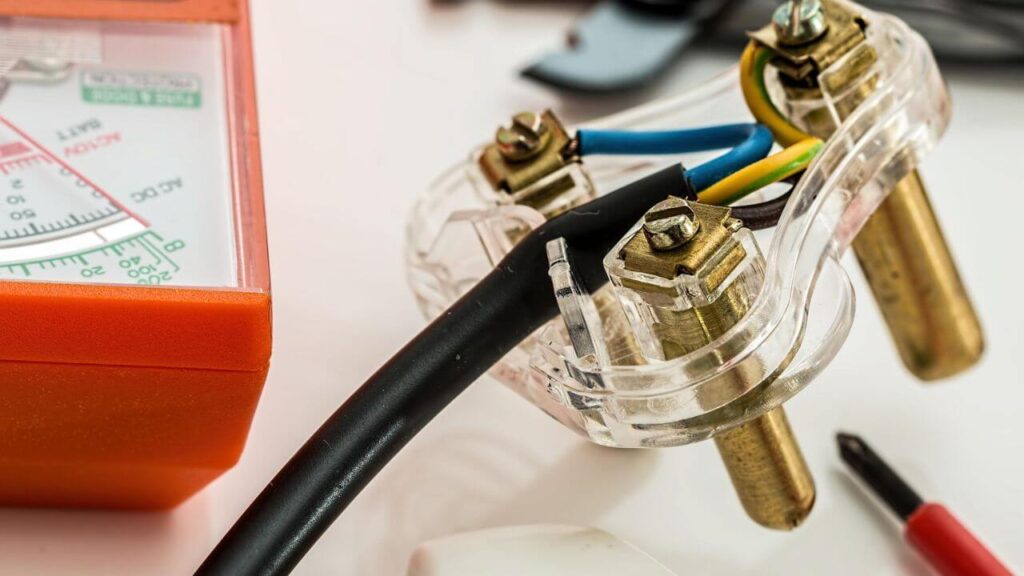
Electrical repairs tend to cost more because they’re heavily regulated and safety is a big deal, so you can’t afford to cut corners here.
According to data from Angi, HomeAdvisor, and Fixr, most common electrical fixes in the U.S. run between $100 and $800. Larger upgrades or system overhauls can easily go over $3,000, especially in older homes.
Unlike basic handyman jobs, electrical work usually has to be done by a licensed electrician in most states. That keeps things safe, but it also pushes the labor costs higher.
Outlet and switch repair
Faulty outlets and switches are among the most frequent electrical service calls in residential homes.
- Typical cost per outlet or switch: $100 – $250
- GFCI outlet replacement: $150 – $300
- Multiple outlet repairs (service visit): $150 – $500
Costs increase if wiring behind the wall is damaged or outdated and needs replacement rather than simple fixture repair.
Circuit breaker issues
Breaker panel problems can range from minor resets to full replacements, depending on the severity of the electrical fault.
- Circuit breaker replacement: $150 – $400
- Electrical panel repair: $200 – $600
- Full panel upgrade: $1,200 – $3,500+
According to industry cost guides, panel upgrades are often required in older homes that cannot handle modern electrical loads from appliances and HVAC systems.
Wiring upgrades
Wiring repairs or upgrades are typically the most expensive electrical service due to labor intensity and wall access requirements.
- Minor wiring repair: $200 – $800
- Partial rewiring (room or section): $1,000 – $3,000
- Full home rewiring: $5,000 – $12,000+
Costs depend heavily on whether walls need to be opened and how much of the system must be brought up to current electrical codes.
Why electrical repairs cost more (safety and labor factors)
Electrical system pricing is driven not only by materials and time but also by strict safety requirements:
- Licensed electricians required – Most electrical work must meet state and local code standards, increasing labor cost
- High safety risk – Incorrect repairs can lead to fire hazards, shock risks, or system failure
- Inspection requirements – Some repairs require permits and inspections, adding administrative cost
- Complex diagnostics – Electrical problems are often hidden, requiring time-consuming troubleshooting
- Older home systems – Outdated wiring (e.g., knob-and-tube or aluminum wiring) increases repair complexity
HVAC repair and replacement costs
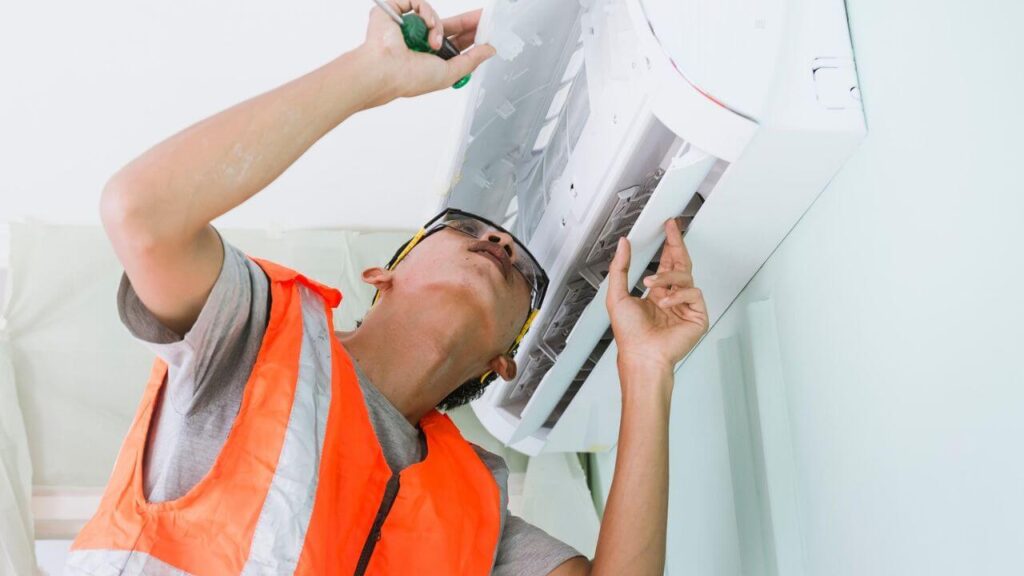
HVAC systems are some of the most expensive things to repair or replace in your home.
According to data from Angi, HomeAdvisor, and Fixr, a typical HVAC repair usually costs between $150 and $2,500. A full system replacement can run anywhere from $5,000 to $12,000 or more, depending on the type of system and the size of your house.
Since HVAC is something you need all year round, prices are heavily affected by how urgent the job is, what season it is, and how old your system is.
AC repair vs full replacement
Air conditioning issues are common during warmer months and costs vary depending on the component failure.
- Basic AC repair (capacitors, sensors, small fixes): $150 – $600
- Compressor repair: $800 – $2,500
- Refrigerant recharge: $200 – $600
- Full AC system replacement: $5,000 – $10,000+
Industry cost guides consistently show that when repair costs exceed 30–50% of replacement value, homeowners often choose full replacement instead of continued repairs.
Furnace repair costs
Heating system repairs are typically needed in colder months and can range from minor fixes to major component replacement.
- Minor furnace repair (igniter, thermostat, flame sensor): $150 – $500
- Blower motor repair or replacement: $400 – $1,200
- Heat exchanger repair: $1,000 – $2,000+
- Full furnace replacement: $3,000 – $7,500
Older systems tend to require more frequent repairs and are less energy-efficient, increasing long-term costs.
Seasonal emergency pricing spikes
HVAC costs often rise during peak demand seasons:
- Summer heatwaves (AC failures)
- Winter cold snaps (heating breakdowns)
Emergency service calls can increase total costs by 25% to 100%, especially for same-day or after-hours repairs. Labor availability during peak seasons is a major pricing factor across all U.S. regions.
Preventive maintenance vs emergency repairs
Regular maintenance significantly reduces long-term HVAC costs.
- Annual HVAC tune-up: $100 – $300
- Filter replacement and minor servicing: $75 – $200
Preventive maintenance helps avoid costly emergency breakdowns, which are typically more expensive due to urgent labor rates and secondary damage from system failure.
Appliance repair and replacement costs
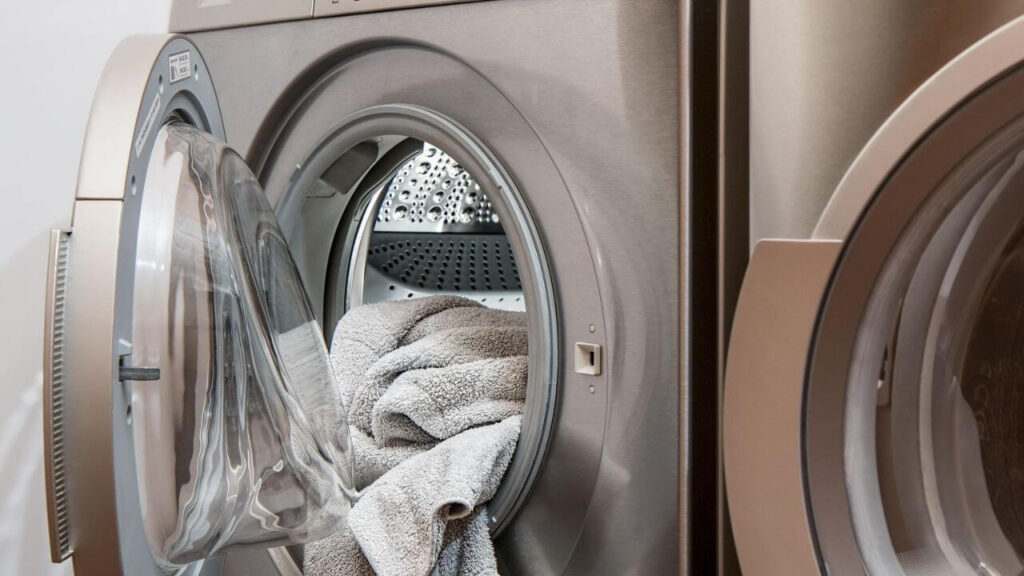
Household appliances are essential for daily living, and repair costs vary based on brand, age, and part availability. According to aggregated cost data from Angi, Fixr, and HomeAdvisor, most appliance repairs range from $150 to $600, while replacements can range from a few hundred dollars to several thousand. Here you can see our appliances’ home warranty coverage.
Refrigerator repair
Refrigerators are one of the most frequently serviced appliances due to constant operation.
- Minor repairs (thermostat, fan, seal): $200 – $500
- Compressor or cooling system repair: $500 – $1,200
- Replacement: $1,000 – $3,500+
Washer and dryer issues
Laundry appliances often fail due to mechanical wear and motor issues.
- Washer repair: $150 – $500
- Dryer repair: $150 – $450
- Motor or drum replacement: $300 – $900
- Replacement units: $500 – $1,500 each
Oven and dishwasher breakdowns
Kitchen appliance repairs are typically moderate in cost but vary based on parts.
- Oven/stove repair: $150 – $600
- Heating element or control board replacement: $200 – $700
- Dishwasher repair: $150 – $400
- Pump or motor replacement: $300 – $800
Repair vs replace decision point
Across all appliances, industry cost guides commonly note a practical rule:
If repair costs exceed 50% of replacement cost, replacement is often more cost-effective, especially for appliances older than 8–10 years.
Energy efficiency is also a major factor, as newer models can reduce long-term utility bills.
Roofing and exterior repair costs

Roofing and exterior repairs are among the most expensive and urgent home repairs due to weather exposure and structural risk. Based on national contractor pricing data, typical costs range from $250 for minor repairs to $20,000+ for full roof replacement.
Weather damage, material type, and contractor demand significantly influence pricing.
Roof leak repairs
Roof leaks are one of the most common emergency exterior repairs.
- Small leak repair: $350 – $1,200
- Moderate damage repair: $600 – $2,000
- Structural or widespread damage: $2,000+
Delays in repair can increase costs due to water damage inside the home.
Shingle replacement
Shingle damage is often localized but can expand quickly if not addressed.
- Partial shingle replacement: $250 – $900
- Larger section repair: $800 – $2,500
Material type (asphalt vs architectural shingles) affects pricing.
Gutter and siding repairs
Exterior drainage and siding systems protect the home from water damage.
- Gutter repair: $150 – $600
- Gutter replacement: $600 – $1,500
- Siding repair: $300 – $1,800
- Full siding replacement: $5,000 – $15,000+
Storm-related price spikes and contractor demand
After storms, hurricanes, or heavy wind events, exterior repair costs often increase due to:
- High demand for contractors
- Limited material availability
- Emergency scheduling fees
- Insurance claim processing delays
During these periods, prices can temporarily rise by 20%–60%, depending on severity of regional damage.
Factors that affect home repair costs
Home repair prices aren’t set in stone. The exact same problem can end up costing very different amounts depending on a few key factors.
Data from sites like Angi, HomeAdvisor, Thumbtack, and Fixr shows that the price you pay often has less to do with the issue itself and more to do with where you live, when you need the work done, the condition of your system, and how easy (or hard) it is to find available labor.
That’s why one homeowner might pay just $200 for a repair while someone else ends up paying $1,200 for the exact same thing.
Location and local labor rates
One of the strongest pricing drivers is geography. Labor rates vary widely across the United States based on cost of living and contractor demand.
- Urban and high-cost regions: higher hourly rates and service fees
- Rural areas: lower labor rates but fewer available technicians
- National average skilled labor rates:
- Plumbers: $75 – $150/hour
- Electricians: $80 – $160/hour
- HVAC technicians: $90 – $170/hour
Even within the same state, pricing can vary significantly between cities and smaller towns.
Emergency vs scheduled repairs
Timing plays a major role in total cost. Emergency services almost always cost more than scheduled appointments.
- Standard service call: $100 – $250
- After-hours or weekend service: +25% to +100% increase
- Emergency same-day dispatch: highest premium pricing tier
Urgent repairs often require reshuffling technician schedules, which increases labor costs and service fees.
Age and condition of the home
Older homes typically require more expensive repairs due to outdated systems and hidden issues.
- Aging plumbing systems may require full section replacement instead of small fixes
- Older electrical systems may not meet current code requirements
- HVAC systems may use discontinued parts
- Roofing and insulation may have underlying structural wear
Homes built before modern building codes often face higher labor time and more complex repairs, increasing total cost.
Type and availability of materials
Material pricing has a direct impact on repair costs, especially when supply chains are tight or parts are specialized.
- Standard materials (PVC, basic fixtures): lower cost
- Premium materials (copper piping, high-efficiency HVAC units): higher cost
- Discontinued or brand-specific parts: higher sourcing cost and longer wait times
When parts are not readily available, labor time increases, further raising the final bill.
Complexity of the repair
Not all repairs are equal, even within the same category.
- Surface-level repairs (easy access): lower cost
- Hidden damage (inside walls, under floors, underground): higher cost
- Multi-system issues (e.g., electrical + HVAC impact): significantly higher cost
Diagnostic time also adds to the bill, especially when the root cause is not immediately visible.
Seasonal demand and contractor availability
Demand fluctuations throughout the year affect pricing across nearly all home systems.
- Summer: HVAC and cooling-related price increases
- Winter: heating system repair spikes
- Storm seasons: roofing and exterior repair surges
During busy seasons, you’ll often face longer wait times and higher labor rates simply because there aren’t enough technicians to go around.
Home repair costs depend on a lot more than just the problem itself. Where you live, when you call for service, and the age/condition of your system can affect the price just as much as the type of repair.
This unpredictability is exactly why it’s so hard to budget for home repairs, and why many homeowners start looking for more reliable ways to handle these costs instead of paying everything out of pocket.
Hidden costs homeowners don’t expect
When most homeowners think about repair costs, they usually just focus on the obvious price of the fix.
But the real bill often ends up higher because of extra fees and add-ons that contractors tack on. These hidden costs are one of the biggest reasons repairs frequently blow past the initial estimate.
Service call and diagnostic fees
Before any repair begins, most contractors charge a base fee just to inspect the issue.
- Service call fee: $75 – $200
- Diagnostic fee (HVAC, electrical, appliances): $100 – $300
- Complex troubleshooting (intermittent issues): may be billed hourly
Even if no repair is completed, homeowners are often still responsible for this initial charge.
Emergency and after-hours premiums
Urgent repairs almost always come with higher pricing due to technician availability and scheduling disruption.
- After-hours service increase: +25% to +100%
- Weekend or holiday service: highest premium tier
- Same-day emergency dispatch: additional flat fees may apply
These premiums are especially common in plumbing, HVAC, and electrical emergencies.
Labor minimums and hourly billing
Many contractors have minimum billing requirements that increase small repair costs.
- Minimum service time: 1 to 2 hours billed even for quick fixes
- Average labor rates:
- Plumbers: $75 – $150/hour
- Electricians: $80 – $160/hour
- HVAC technicians: $90 – $170/hour
Even a 15-minute repair may be billed at a full hourly rate due to these minimums.
Replacement parts markup
Parts are often marked up beyond wholesale pricing, especially for specialized systems.
- Standard parts markup: 10% – 50%
- Specialized HVAC or appliance components: can exceed 100% markup
- Brand-specific or discontinued parts: higher cost due to limited supply
This is especially noticeable in appliance and HVAC repairs where manufacturer parts are required.
Permit and inspection fees
Certain repairs require official permits or inspections, especially for electrical, plumbing, or structural work.
- Permit fees: $50 – $500+ depending on jurisdiction
- Inspection fees: often included but sometimes billed separately
- Code compliance upgrades may add additional labor and material costs
Older homes are more likely to trigger permit-related expenses due to system upgrades.
Secondary damage and follow-up repairs
One of the most overlooked costs is damage caused by the original issue itself.
Examples include:
- Water damage from leaking pipes
- Mold remediation after plumbing failure
- Drywall or flooring replacement after repairs
- Electrical damage affecting connected systems
These secondary repairs can sometimes end up costing even more than the original fix, especially if you don’t catch the problem early.
The price you see quoted is often just part of the story. Once you add in service fees, emergency charges, marked-up parts, and any hidden damage, the final bill can climb way higher than you expected.
That’s exactly why budgeting for home repairs feels so tricky; the real cost is rarely just the repair itself.
How homeowners can reduce repair costs
While home repairs are often unavoidable, the total amount you end up paying isn’t set in stone. Industry data and contractor experience show that planning ahead and fixing small issues early can cut repair costs by 20%–50% in many cases, especially with HVAC, plumbing, and appliances.
The real key is moving from reactive fixes (waiting until something breaks) to proactive maintenance and smarter service choices.
Regular maintenance scheduling
Routine maintenance is one of the best ways to avoid expensive breakdowns.
Instead of waiting for a system to fail, scheduling regular servicing helps catch small problems early, before they turn into big, costly repairs.
Typical preventive costs:
- HVAC tune-up: $100 – $300 per year
- Plumbing inspection: $100 – $250
- Appliance servicing (as needed): $75 – $200
Regular maintenance can extend system lifespan and reduce the likelihood of emergency service calls, which are significantly more expensive.
Early issue detection
Small warning signs often appear long before a full breakdown occurs.
Examples include:
- Slow drains before pipe blockage
- Strange noises before HVAC failure
- Slight temperature changes before appliance malfunction
- Flickering lights before electrical issues worsen
Addressing problems early typically results in minor repair costs instead of full system replacements, which can save thousands of dollars over time.
Comparing contractor quotes
Prices for the same repair can vary significantly between providers, even within the same area.
Homeowners who request multiple quotes often see:
- 10%–30% price differences for the same job
- Variation in labor rates and service fees
- Different repair approaches (repair vs replace recommendations)
Getting at least 2–3 quotes helps ensure fair pricing and reduces the risk of overpaying for standard repairs.
Bundling repairs when possible
Many contractors offer better pricing when multiple issues are handled in a single visit.
Bundling benefits include:
- Reduced service call fees (one visit instead of several)
- Lower overall labor costs
- Improved scheduling efficiency for contractors
For example, combining minor plumbing fixes and fixture replacements during the same service call can significantly reduce total labor charges.
Using service agreements or home protection plans
One of the most effective ways to manage unpredictable repair costs is through structured service coverage options such as service agreements or home protection plans.
These plans typically work by:
- Charging a fixed monthly or annual fee
- Covering repair or replacement of major home systems and appliances
- Reducing or eliminating large out-of-pocket expenses for covered breakdowns
- Providing access to pre-screened service technicians
Instead of paying the full price out of pocket for every repair, many homeowners switch to a more predictable monthly cost model. This makes budgeting a lot easier and less stressful.
While coverage differs between providers, these plans are especially helpful for older homes or houses with several aging systems, where surprises tend to happen more often.
Reducing home repair costs isn’t really about avoiding repairs altogether. It’s about controlling when and how they hit you. By staying on top of maintenance, catching problems early, shopping around for prices, bundling services, and using a good protection plan, you can cut down both how often things break and how much they hurt your wallet.
Home warranty vs out-of-pocket repairs

When something in your home breaks, you basically have two choices: pay for the repair out of pocket or use a home warranty plan. The big difference comes down to predictability versus flexibility.
With out-of-pocket repairs, you pay the full price every time something goes wrong. It’s fine for small stuff like a leaky faucet, but it gets risky fast when a major system fails. One HVAC replacement or serious plumbing issue can easily cost thousands of dollars all at once. That kind of unpredictable hit makes budgeting really tough.
A home warranty flips the script. Instead of a huge surprise bill, you pay a fixed monthly or annual fee plus a service fee when you make a claim. This spreads the cost out over time and makes it much easier to plan your budget. You’re not reacting to breakdowns, but you’re paying steadily for protection.
Most home warranties cover the big systems and appliances like HVAC, plumbing, electrical, refrigerators, ovens, washers, and dryers. But they’re not all-inclusive. Common exclusions include pre-existing conditions, lack of maintenance, cosmetic damage, and usually big structural stuff like roofs or foundations.
Whether a warranty actually saves you money depends on your home and your situation. For older homes or houses with aging systems, even one or two big repairs a year can cost more than the warranty itself, so it can be a smart move. For newer homes with fewer problems, paying out of pocket might be cheaper in the short run, but you’re taking on more risk if something expensive suddenly breaks.
In the end, it comes down to this: Do you prefer steady, predictable payments and less stress, or would you rather pay only when something actually breaks, and take your chances with a big unexpected bill?
Conclusion: Planning ahead for 2026 repair costs
Home repair costs in 2026 keep climbing because of higher labor rates, rising material prices, and the fact that so many homes and their systems are simply getting older. As you’ve seen in this guide, even routine problems, like plumbing, electrical, HVAC, appliances, or roofing, can run from a few hundred dollars to several thousand, depending on how bad it is and when it happens.
The real headache for most homeowners isn’t just the cost of the repair itself, but how unpredictable it all feels. An emergency call, hidden damage, or a sudden spike in demand during busy seasons can turn a small issue into a serious financial hit.
That’s why knowing what typical repairs actually cost is so important for smarter budgeting. Also, the right home warranty plan can save you a lot of money.
While regular maintenance and catching problems early can help lower some expenses, it’s almost impossible to avoid repairs completely. Every home wears down over time, and breakdowns are just part of being a homeowner.
Because of that, more and more people are looking for better ways to handle these costs, whether through dedicated savings, good contractor relationships, or structured protection plans that spread the expense out over time.
At the end of the day, the goal isn’t to eliminate repairs. It’s to be ready for them. When you understand what drives home repair costs and how to plan for them, you’re in a much stronger position to protect both your home and your financial peace of mind.
Related Posts