
Understanding Home Insurance: The Ultimate Guide to the Best Home Insurance Agencies in 2024

Prepare yourself today for whatever life has in store with our guide to the best home insurance agencies of 2024.
What is Home Insurance?
Home insurance, also known as homeowners insurance, is a type of property insurance that provides financial protection against losses and damages to an individual’s home and personal belongings. It typically includes coverage for the structure of the home, personal property, liability protection, and additional living expenses in case of a covered loss. Home insurance policies are essential for safeguarding one’s most significant investment and ensuring financial stability in the face of unexpected events.
Components of The Best Home Insurance Agencies
- Dwelling Coverage: This part of the policy covers the physical structure of your home, including the walls, roof, floors, and built-in appliances. If your home is damaged by a covered event, such as a fire or storm, dwelling coverage helps pay for the repairs or rebuilding.
- Personal Property Coverage: This covers your personal belongings, such as furniture, clothing, electronics, and other household items. If these items are damaged, stolen, or destroyed by a covered event, personal property coverage helps with the cost of repair or replacement.
- Liability Protection: Liability coverage protects you from financial loss if you are found legally responsible for injury or property damage to others. It covers legal fees, medical bills, and damages awarded in a lawsuit.
- Additional Living Expenses (ALE): Also known as loss of use coverage, ALE pays for additional costs of living if you need to temporarily relocate due to a covered event. This can include hotel bills, restaurant meals, and other expenses incurred while your home is being repaired.
- Medical Payments Coverage: This part of the policy covers medical expenses for guests who are injured on your property, regardless of who is at fault. It is designed to quickly address minor injuries without the need for legal action.

Types of Home Insurance Policies
Home insurance policies can vary widely, but they generally fall into a few standard types:
- HO-1 (Basic Form): Provides limited coverage for specific perils, including fire, theft, and certain natural disasters. It is the most basic form of home insurance and is rarely offered today.
- HO-2 (Broad Form): Offers broader coverage than HO-1, protecting against a wider range of perils. It typically covers damage from events like hail, windstorms, and falling objects.
- HO-3 (Special Form): The most common type of home insurance policy, HO-3 covers all perils except those specifically excluded in the policy. It provides comprehensive protection for the dwelling and personal property.
- HO-4 (Renter’s Insurance): Designed for renters, this policy covers personal belongings and provides liability protection but does not cover the physical structure of the building.
- HO-5 (Comprehensive Form): Offers the highest level of coverage, protecting against all perils except those explicitly excluded. It often includes higher coverage limits and replacement cost coverage for personal property.
- HO-6 (Condo Insurance): Tailored for condominium owners, this policy covers personal property, interior walls, and liability protection. It may also include coverage for loss assessment.
- HO-7 (Mobile Home Insurance): Provides coverage specifically for mobile or manufactured homes, including the structure, personal belongings, and liability protection.
- HO-8 (Older Home Insurance): Designed for older homes with a replacement cost higher than the market value, this policy covers basic perils and typically insures the home for actual cash value rather than replacement cost.

History of Home Insurance in the United States
The concept of home insurance has evolved significantly over the years. Here is a brief history of its development in the United States:
- 18th Century: The earliest forms of property insurance in the U.S. emerged in the 18th century, primarily focusing on fire insurance. The Philadelphia Contributionship, founded by Benjamin Franklin in 1752, is considered the first successful property insurance company in America. It provided fire insurance for homes and other buildings in Philadelphia.
- 19th Century: Throughout the 19th century, the insurance industry expanded to include coverage for additional perils. The Great Chicago Fire of 1871 highlighted the need for comprehensive insurance policies, leading to the development of more sophisticated home insurance products.
- 20th Century: The early 20th century saw significant growth in the insurance industry, with companies offering more diverse and comprehensive home insurance policies. The National Association of Insurance Commissioners (NAIC) was established in 1871 to regulate and standardize insurance practices across states, promoting stability and consumer protection in the industry.
- Post-World War II: After World War II, the housing boom and increased homeownership in the United States led to a greater demand for home insurance. Insurance companies responded by developing standardized homeowners insurance policies, such as the HO-3 policy, which became widely adopted.
- Modern Era: Today, home insurance is an essential part of homeownership, with policies providing coverage for a wide range of perils and offering various options to suit different needs. Technological advancements have also transformed the industry, making it easier for consumers to compare quotes, purchase policies, and manage their insurance through online platforms and mobile apps.
Home insurance remains a critical aspect of financial planning and homeownership, ensuring that individuals and families are protected from unexpected losses and can recover quickly from disasters.
Why is Home Insurance Important?
Having home insurance is crucial for several reasons. First and foremost, it protects your most significant investment—your home. In the event of a natural disaster, fire, theft, or other covered event, home insurance ensures that you can repair or rebuild your home without facing financial ruin. It also covers personal belongings, such as furniture, electronics, and clothing, providing a safety net if these items are damaged or stolen.
Moreover, home insurance offers liability coverage, which protects you from legal and medical expenses if someone is injured on your property. Without this coverage, you could be held personally responsible for these costs, leading to severe financial strain.
The Risks of Not Having Home Insurance
Not having home insurance can have severe consequences. For instance, if a fire destroys your home, you would have to bear the entire cost of rebuilding or repairing it out of pocket. Similarly, if a natural disaster like a hurricane or flood damages your property, the financial burden could be overwhelming without insurance coverage.

Example Scenarios
Scenario 1: Fire Damage
Without Home Insurance
- Emily’s Story: Emily lives in a charming, older home she has lovingly restored over the years. One night, a fire breaks out in the kitchen due to an electrical malfunction. The fire spreads quickly, causing significant damage to the structure and destroying most of her personal belongings. Without home insurance, Emily faces an overwhelming financial burden. She must pay out of pocket for the extensive repairs and replacements, which amount to nearly $150,000. The cost is so high that Emily has to take out a substantial loan, putting her in considerable debt.
With Home Insurance
- Emily’s Story: With a comprehensive home insurance policy, Emily’s situation is dramatically different. The fire still causes significant damage, but her insurance covers the cost of repairs and replacements. Her policy includes dwelling coverage for the structural repairs and personal property coverage for her belongings. Additionally, her policy provides for temporary living expenses, so Emily can stay in a hotel while her home is being repaired. Instead of facing financial ruin, Emily only has to pay her deductible, and the insurance takes care of the rest.
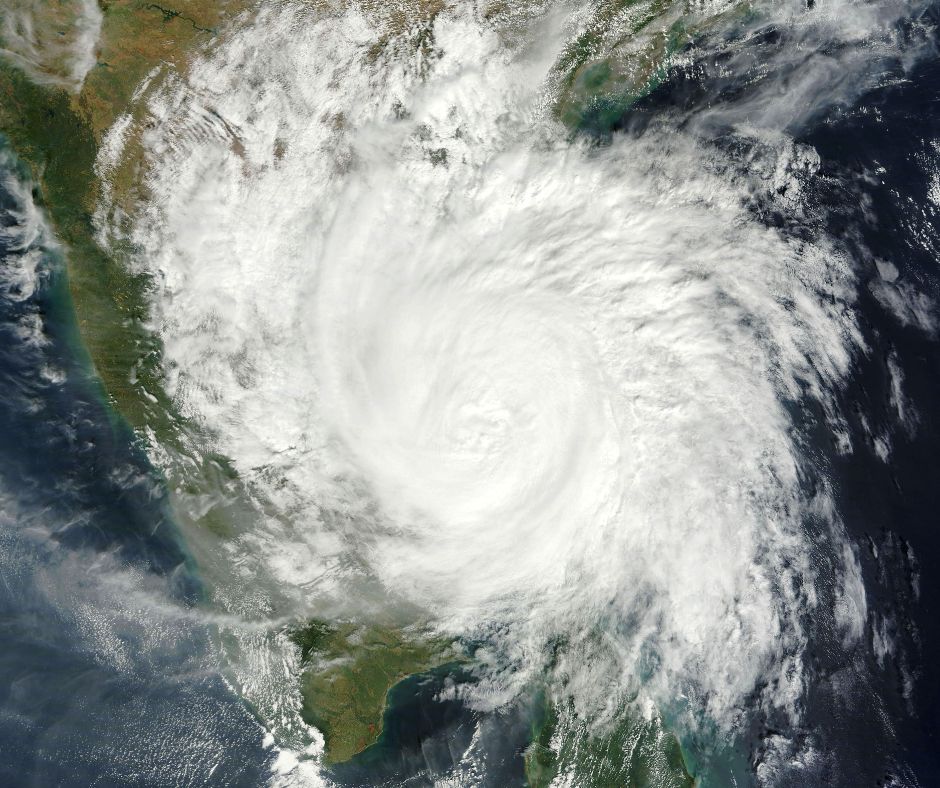
Scenario 2: Natural Disaster
Without Home Insurance
- John’s Story: John owns a beautiful home in a coastal area prone to hurricanes. One summer, a powerful hurricane hits his town, causing severe damage to his home. The roof is torn off, windows are shattered, and the interior is flooded. Without home insurance, John is left to cover all the repair costs himself. The total damage amounts to over $200,000. John doesn’t have enough savings to cover this expense, forcing him to sell other assets and take on a second mortgage just to make his home livable again.
With Home Insurance
- John’s Story: With a robust home insurance policy, John’s experience after the hurricane is much less stressful. His insurance policy covers the extensive damage, including roof repairs, window replacements, and water damage restoration. John’s policy also includes coverage for additional living expenses, so he and his family can stay in a rental home while repairs are being made. The insurance payout covers the majority of the repair costs, leaving John responsible only for the deductible.
Scenario 3: Liability Claim
Without Home Insurance
- Sarah’s Story: Sarah enjoys hosting friends and family at her home. One winter evening, her friend slips on an icy patch on her driveway and suffers a serious injury. Her friend decides to file a lawsuit to cover medical expenses and lost wages, totaling $50,000. Without liability coverage from home insurance, Sarah has to pay for legal fees and any awarded damages out of pocket. This unexpected expense strains Sarah’s finances, forcing her to dip into her retirement savings and take on additional debt.
With Home Insurance
- Sarah’s Story: With home insurance, Sarah’s liability coverage kicks in as soon as her friend files the lawsuit. Her insurance company handles the legal fees and negotiates the settlement, covering the $50,000 in medical expenses and lost wages. Sarah doesn’t have to worry about the financial impact of the lawsuit, allowing her to focus on supporting her friend during recovery. The only cost Sarah incurs is her policy’s liability deductible.
These scenarios illustrate the profound difference home insurance can make in protecting homeowners from financial devastation. Whether it’s fire damage, a natural disaster, or a liability claim, having home insurance provides crucial support and peace of mind. Without it, homeowners face potentially insurmountable financial challenges.

Average Costs of Home Insurance
The cost of home insurance varies widely based on several factors, including the location of the home, its age and construction type, the coverage amount, and the deductible chosen. On average, homeowners in the United States pay about $1,200 annually for home insurance, but this can range from $500 to over $2,000 depending on the specifics of the policy and the home.
Different plans offer varying levels of coverage:
- Basic Coverage: This typically includes protection for the home structure, personal belongings, liability, and additional living expenses. It covers standard perils such as fire, theft, and certain natural disasters.
- Extended Coverage: This provides higher limits for personal belongings and additional protections for items like jewelry and art. It may also cover more types of perils.
- Comprehensive Coverage: This is the most extensive coverage, protecting against all perils except those specifically excluded. It often includes higher limits and additional benefits like replacement cost coverage.
Best Home Insurance Agencies in 2024
Here are the eight best home insurance companies in 2024, known for their strong customer service, financial strength, and comprehensive coverage options:
- State Farm
State Farm is a leader in the home insurance market, known for its extensive network of agents and excellent customer service. They offer a wide range of insurance products, including auto insurance and life insurance, allowing for bundling discounts. State Farm’s policies are highly customizable, making it easy to find the right coverage for your needs. However, their rates can be higher than some competitors. - Liberty Mutual
Liberty Mutual stands out for its innovative coverage options and strong financial stability. They offer unique endorsements like inflation protection and coverage for valuable items. Liberty Mutual is also praised for its user-friendly mobile app and online quotes system. Their policies can be on the pricier side, but the additional coverage options provide great value. - Amica Mutual
Amica Mutual is renowned for its customer satisfaction and high ratings in J.D. Power’s U.S. Home Insurance Study. They offer comprehensive coverage with excellent customer service and numerous discounts, including for bundling and loyalty. One drawback is that Amica’s premiums can be higher than average, but many customers find the superior service worth the cost. - American Family
American Family provides robust coverage options tailored to specific needs, such as older homes or military members. They are known for their strong customer service and competitive rates. American Family also offers a range of additional insurance products, making it a convenient choice for those looking to bundle their policies. - USAA
USAA is dedicated to serving military members and their families, offering some of the best rates and coverage options available. They consistently receive high marks for customer satisfaction and financial strength. The primary limitation is that USAA is only available to military personnel, veterans, and their families. - Farmers Insurance
Farmers Insurance offers a variety of coverage options, including standard and customizable policies to meet different coverage needs. They are known for their strong customer service and flexible plans. Farmers also provide valuable discounts, especially for customers who bundle their home and auto insurance. However, their rates can be higher than some competitors. - Nationwide
Nationwide is another top choice, offering comprehensive coverage and a wide range of discounts. They have a reputation for excellent customer service and a strong financial foundation. Nationwide’s policies include unique features like Better Roof Replacement and Water Backup coverage. Their premiums are generally competitive, but prices can vary based on location and specific coverage needs. - Allstate
Allstate is a well-known insurance provider offering a variety of coverage options and discounts. They have a strong financial standing and a large network of agents. Allstate’s policies are customizable, and they provide additional coverage options like identity theft protection. While their rates are typically higher, the extensive coverage and customer service make them a reliable choice.
Conclusion
Choosing the Best Home Insurance company is crucial for protecting your home and personal belongings. The companies listed above are some of the best in the market for 2024, each offering unique strengths and coverage options to meet different needs.
When selecting a home insurance provider, consider factors like customer service, financial stability, coverage options, and premiums to ensure you find the best policy for your specific situation. By securing a comprehensive home insurance policy, you can safeguard your home against unforeseen events and enjoy peace of mind.
Related Posts