
How to Choose the Right Pest Control Company for Your Home
As a homeowner, pest infestations are a common concern. Whether it’s ants in the kitchen, termites gnawing on your foundation, or bed bugs lurking in your mattress, household pests can disrupt daily life and compromise the safety of your home. In fact, studies show that around 84% of homeowners experience a pest infestation in any given year in the United States.
To effectively address these issues, selecting the right pest control company is crucial. Understanding the habits, life cycles, and problems caused by the most common pests—and how pest control services manage them—can help you make an informed decision.
Below, we delve deeper into the eight most common household pests, highlighting their habits, problems, and how professional pest control services approach their removal.

1. Ants
Life Cycle & Habits:
Ants are social insects that live in colonies consisting of workers, soldiers, and a queen. Colonies can range in size from hundreds to millions of ants. Ants are highly organized and will enter homes to search for food, especially sweet substances, grease, and protein-rich foods. Some common species include carpenter ants, sugar ants, and fire ants.
- Prevalence: According to a survey conducted by the National Pest Management Association (NPMA), ants are reported as the most common pest problem in U.S. homes, with about 60% of homes reporting ant infestations annually.
- Source: National Pest Management Association, PestWorld.org.
Problems They Cause:
Ants, especially carpenter ants, can cause structural damage by burrowing into wood to build their nests. While most ant species are not directly harmful to humans, their presence can lead to food contamination and unsightly trails throughout the home.
Control Methods:
Pest control companies often employ a combination of bait traps and insecticide treatments to eliminate colonies. Baits are designed to be taken back to the colony, where they poison the queen and workers. Integrated Pest Management (IPM) techniques are especially effective in preventing ant infestations by sealing entry points and managing food sources that attract ants.
2. Termites
Life Cycle & Habits:
Termites live in large colonies and have a caste system similar to ants, with workers, soldiers, and a reproductive queen. They feed on cellulose, which is found in wood and other plant materials. Termites are highly destructive and can cause significant structural damage to homes if left untreated.
- Prevalence: The National Pest Management Association (NPMA) reports that termites cause over $5 billion in damage annually in the United States, affecting approximately 600,000 homes every year.
Problems They Cause:
Termites weaken the structural integrity of homes by consuming wooden components, such as beams, flooring, and framing. The damage is often hidden and may go unnoticed until it becomes severe, leading to costly repairs.
Control Methods:
Pest control professionals use a variety of methods to control termites. Bait systems and soil treatments are common, where bait stations are placed around the perimeter of the home to eliminate entire colonies. In more severe cases, fumigation may be necessary. Preventive measures, such as treating the soil during construction, can reduce the risk of termite infestation. Long-term monitoring and maintenance are also crucial for homes in high-risk areas.
3. Bed Bugs
Life Cycle & Habits:
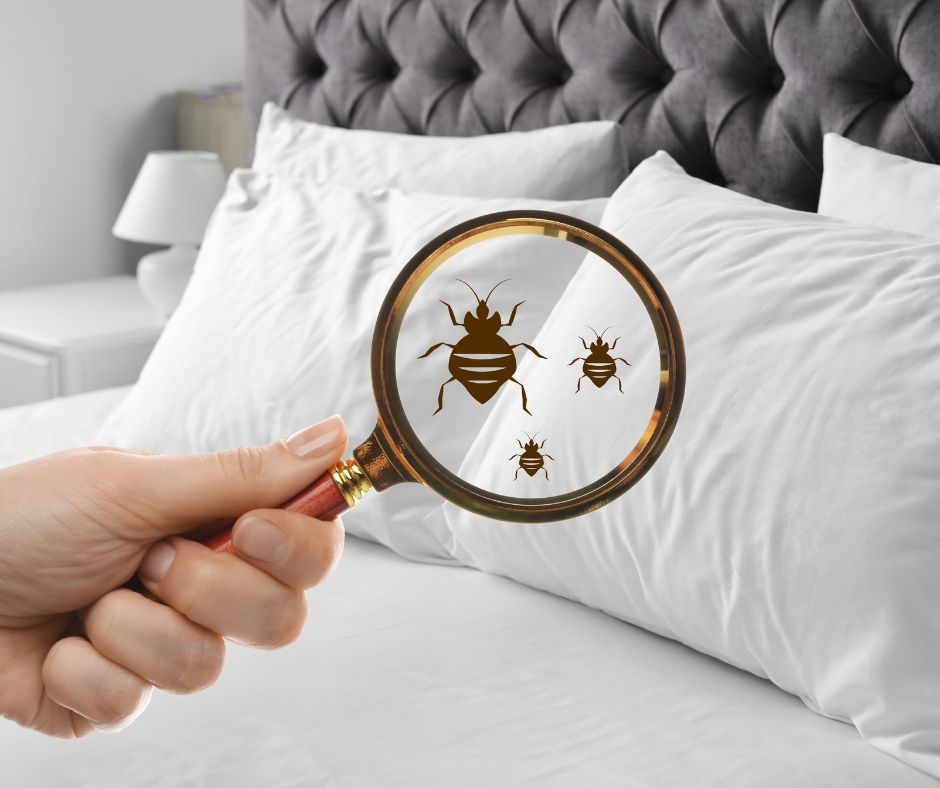
Bed bugs are small, parasitic insects that feed on human blood. They typically hide in mattresses, bed frames, and cracks in furniture. Bed bugs are known for their resilience, as they can survive for months without feeding and reproduce quickly, making them particularly difficult to eliminate.
- Prevalence: A survey by the National Pest Management Association found that 1 in 5 Americans has either experienced a bed bug infestation or knows someone who has.
- Source: National Pest Management Association, “Bed Bugs in America Survey.”
Problems They Cause:
While bed bugs are not known to transmit diseases, their bites cause itchy welts and can lead to psychological distress, insomnia, and anxiety. A bed bug infestation can also spread rapidly, as the insects are adept at hitchhiking on clothing, luggage, and furniture.
Control Methods:
Eliminating bed bugs requires a combination of chemical treatments, heat treatments, and thorough inspections. Heat treatments involve raising the temperature in the infested area to levels that are lethal to bed bugs, while chemical treatments focus on applying insecticides to cracks, crevices, and furniture where bed bugs hide. Regular follow-up services are often necessary to ensure complete eradication.
4. Cockroaches
Life Cycle & Habits:
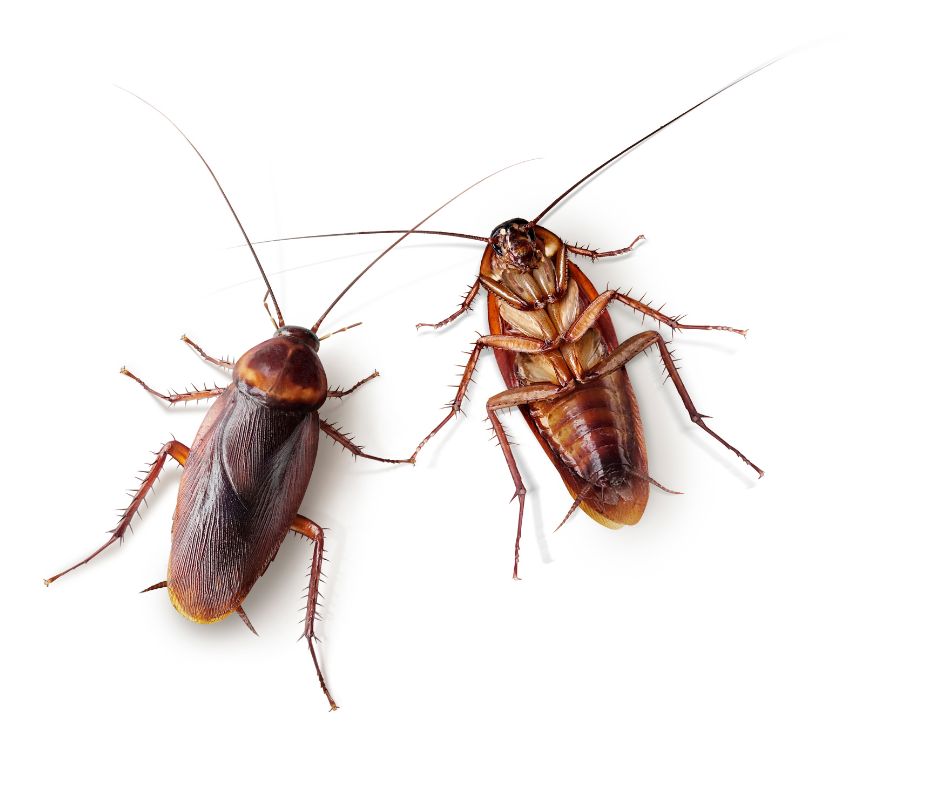
Cockroaches thrive in warm, humid environments and are often found in kitchens, bathrooms, and basements. They reproduce quickly, with some species laying hundreds of eggs at a time. Common cockroach species include the German cockroach, American cockroach, and Oriental cockroach.
- Prevalence: A study conducted by the American Housing Survey and the Centers for Disease Control and Prevention (CDC)found that 30% of U.S. homes report cockroach infestations, with higher rates in urban areas.
- Source: U.S. Department of Housing and Urban Development, American Housing Survey, and CDC.
Problems They Cause:
Cockroaches can contaminate food and spread diseases such as salmonella and E. coli. Their droppings and shed skins can also trigger asthma and allergies, particularly in children.
Control Methods:
Professional pest control companies use a combination of insecticides, baits, and traps to manage cockroach populations. Regular maintenance and sanitation are key to preventing reinfestations. IPM approaches focus on removing food and water sources, sealing cracks, and ensuring good ventilation to reduce cockroach habitats.
5. Rodents (Rats and Mice)
Life Cycle & Habits:
Rodents, such as rats and mice, are notorious for finding shelter and food in human homes. They are agile and can squeeze through tiny openings, making them difficult to exclude once they’ve gained entry. They breed rapidly, which can result in a small infestation becoming a larger problem in a matter of weeks.
- Prevalence: The National Pest Management Association states that nearly 29% of U.S. households encounter rodent infestations annually, with peak activity during the colder months.
- Source: National Pest Management Association, “Rodent Awareness Week.”
Problems They Cause:
Rats and mice can cause significant damage by chewing on electrical wires, wood, and insulation, which can lead to electrical fires or structural damage. They also spread diseases, including hantavirus and leptospirosis, through their urine and droppings.
Control Methods:
Rodent control involves using traps, rodenticides, and exclusion techniques to remove the existing population and prevent future infestations. Pest control professionals will often inspect the home to identify entry points, such as gaps around windows, doors, and vents, and then seal these areas to block rodents from entering.
6. Spiders
Life Cycle & Habits:
Spiders are predatory arachnids that typically feed on insects. While most spiders are harmless, species such as the black widow and brown recluse can be dangerous due to their venomous bites. Spiders often enter homes seeking food and shelter, especially in basements, attics, and dark corners.
- Prevalence: Pest management companies report that spiders are commonly found in around 75% of U.S. homes, especially during late summer and fall when they enter homes in search of shelter.
- Source: National Pest Management Association, “Spider Infestation Trends.”
Problems They Cause:
The primary concern with spiders is fear and anxiety, especially for those with arachnophobia. Venomous spiders, although rare, can pose serious health risks if their bites go untreated.
Control Methods:
Pest control companies use a combination of insecticides, traps, and preventive measures to manage spider populations. Reducing the presence of other insects (which spiders feed on) is also an essential step in preventing infestations. Regular dusting, vacuuming, and sealing cracks around doors and windows can help keep spiders at bay.
7. Fleas
Life Cycle & Habits:
Fleas are small, parasitic insects that feed on the blood of animals, particularly dogs and cats. Fleas can jump long distances and lay hundreds of eggs in carpeting, bedding, and upholstery.
- Prevalence: Prevalence: According to veterinary sources, 50% of all veterinary visits related to skin irritation in pets are caused by flea infestations, which often spread to homes.
- Source: American Veterinary Medical Association (AVMA), Flea-Related Conditions.
Problems They Cause:
Flea bites cause intense itching and irritation in both humans and animals. Fleas can also transmit tapeworms and other diseases to pets and people.
Control Methods:
Flea control typically involves treating both the pets and the home. Professional pest control services often use insecticides and vacuuming to eliminate flea eggs and larvae from carpets and upholstery. Regular pet grooming and flea prevention products can help reduce the risk of reinfestation.
8. Mosquitoes
Life Cycle & Habits:
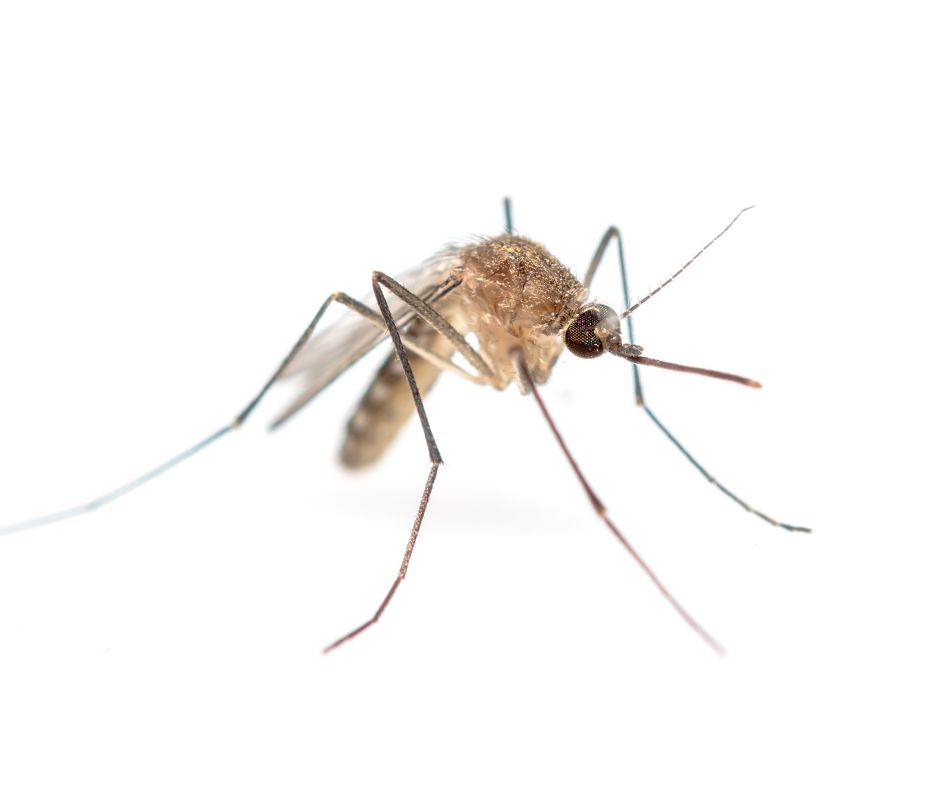
Mosquitoes are known for their ability to transmit diseases through their bites. Female mosquitoes lay their eggs in standing water, and the larvae develop into adult mosquitoes in just a few weeks. They are most active during dusk and dawn.
- Prevalence: Prevalence: The Centers for Disease Control and Prevention (CDC) report that 68% of U.S. homeowners face issues with mosquitoes during the warmer months, particularly in areas with significant standing water.
- Source: CDC, “Mosquito-Borne Diseases in the U.S.”
Problems They Cause:
Mosquito bites are not only irritating but can also transmit dangerous diseases such as West Nile virus, Zika virus, and malaria. In some regions, mosquito-borne diseases are a major public health concern.
Control Methods:
Mosquito control often involves eliminating breeding sites by removing standing water and using larvicides in ponds, gutters, or other water sources. Professional pest control companies also offer outdoor spraying services to reduce mosquito populations.

How to Choose the Right Pest Control Company
With various pest control companies available, choosing the right one requires careful consideration. Here’s a comprehensive guide to help you make the best decision:
1. Pest Identification
Determine the type of pest causing the problem. Some pest control companies specialize in specific pests, such as bed bugs or termites. Understanding your pest problem can help you find a company with expertise in treating that particular pest.
2. Integrated Pest Management (IPM) Approach
Look for companies that utilize IPM techniques. These practices emphasize reducing the use of harmful chemicals by focusing on prevention, monitoring, and using targeted pesticide applications. This approach is more sustainable and safer for your family and pets.
3. Licensing and Certification
Ensure the company is licensed and certified by the appropriate state regulatory agencies. Inquire about the company’s credentials and make sure the pest control technician handling your home has adequate training in pesticide application and pest management practices.
4. Professional Associations
Membership in organizations like the National Pest Management Association (NPMA) or Better Business Bureau (BBB) signifies a company’s commitment to professionalism and adherence to industry standards. These associations set best practices that can provide peace of mind for consumers.
5. Customer Service and Reviews
Check online reviews on platforms like Google, Yelp, and the BBB to gauge customer satisfaction. Look for reviews that detail the company’s customer service, responsiveness, and the effectiveness of their treatments. A reliable pest control company should also provide follow-up services to ensure the problem is fully resolved.
6. Experience and Expertise
Ask how much experience the company has with your specific pest issue. The right company will offer a comprehensive pest control plan, and its technicians will have knowledge about the pest’s life cycle, control methods, and preventive measures.
7. Free Estimates and Quotes
Many pest control companies offer free estimates, allowing you to compare services and prices. Be wary of companies that offer quotes over the phone without inspecting your property, as they may not provide the best service tailored to your needs.
8. Treatment Options
Inquire about the company’s treatment methods, including the use of chemical and non-chemical treatments. Ask for detailed information on the pesticides they plan to use, including the active ingredients and potential environmental impact. Some companies also offer holistic or organic treatment options, which may be a good idea if you are concerned about pesticide-related topics.
9. Insurance
Ensure the pest control provider has general liability insurance to cover any potential damage to your home. This is an important factor, particularly for structural pest control services like termite treatments.
10. Follow-Up Services
The best pest control companies offer follow-up visits to check the success of treatments and ensure the pests don’t return. Be sure to ask about warranty policies and guarantees for their services.
Conclusion
Choosing a pest control company is a significant decision, but by focusing on the type of service offered, the company’s experience, customer reviews, and their approach to pest management, you can ensure you’re making an informed decision. Look for pest professionals who prioritize your family’s health and safety, and who offer a comprehensive pest control plan tailored to your specific situation. With the right pest control provider, you can enjoy peace of mind knowing your home is protected from pests.
About HomeMembership:
HomeMembership is a 5 Star Google Rated and A+ BBB home warranty company. Learn more about how they can help you with unexpected home repairs. They have a low deductible, you pick your own provider and there’s no fine print. If it’s in the brochure – it’s covered! Click here to learn more!
Related Posts