The Best Time to Fertilize Your Lawn: A Seasonal Guide

Are you wondering when is the Best Time to Fertilize Your Lawn? Check out this seasonal guide to help you have the best lawn!
Maintaining a healthy lawn will enhance the beauty of your outdoor space and increase the curb appeal of your home. Something that baffles most homeowners is knowing the best time to fertilize their grass. Understanding when to apply fertilizer, along with which type to use, can greatly impact the health and vigor of your grass plants. This blog will explore the ideal times for fertilizing, based on your type of grass, and provide tips to ensure a thriving green lawn.
Understanding Grass Types
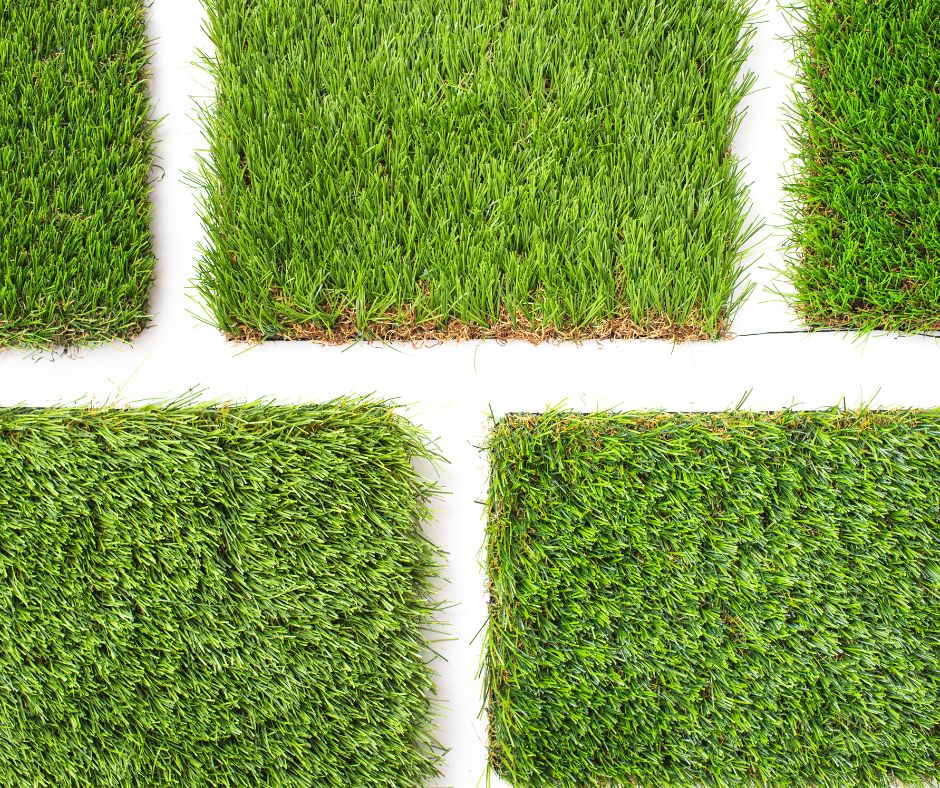
The first thing you should know about fertilizing your grass is that you there are two primary grass types: cool-season grasses and warm-season grasses.
- Cool-Season Grasses: These grasses, like Kentucky bluegrass, perennial ryegrass, and tall fescue, thrive in the northern regions of the United States. They grow best in early spring and early fall when temperatures are cooler.
- Warm-Season Grasses: These types, like St. Augustine and Bermuda grass, flourish in the southern United States and are most active during the warmer months, particularly from late spring to early fall.
Knowing your grass type helps determine the right time for fertilization and the appropriate type of fertilizer to use.
The Best Times to Fertilize
Early Spring (March to April)
For cool-season grasses, the best time to fertilize is in early spring when grass begins to green up and grow after winter dormancy. Applying a slow-release nitrogen fertilizer during this period encourages strong roots and robust growth.
- Soil Test: Conducting a soil test can provide valuable information on your lawn’s nutrient needs, guiding you in selecting the right fertilizer.
- Application Rate: Typically, you should aim for about 1 pound of nitrogen per 1,000 square feet. Be sure to read the fertilizer bag for specific instructions.
Late Spring (May to June)
As temperatures rise, cool-season grasses continue to grow, making late spring another suitable window for fertilization. During this time, consider using a nitrogen fertilizer with a balanced mix of nutrients.
- Grass Growth: This period is crucial for promoting grass growth as it prepares your lawn for the heat of summer.
- Avoid Over-Fertilizing: Applying too much fertilizer can lead to excessive growth and can weaken the grass, making it more susceptible to diseases.
Early Summer (June to July)
For warm-season grasses, early summer is a good time for a second round of fertilization. This is when your grass is in full growth mode and requires more nutrients to sustain healthy turf.
- Slow-Release Fertilizers: Using slow-release fertilizers during this period helps provide a steady supply of nutrients as the grass continues to thrive under warm temperatures.
Late Summer (August)
In late summer, it’s important to prepare your lawn for the upcoming heat of summer (especially in hot weather areas). Applying a fall fertilizer during this period can help grass plants build resilience against high temperatures.
- Choosing the right fertilizer: Choose a fertilizer with less nitrogen and more potassium to support root development and stress tolerance.
The Importance of Early Fall (September)
As temperatures begin to cool in early fall, it’s time to fertilize once again, especially for cool-season grasses. This is often considered the best practice for maintaining a healthy lawn.
- Late September to Early October: This timing allows your lawn to absorb essential nutrients before the winter months.
- Soil Health: Fertilizing at this time improves soil health and prepares your grass for the stress of winter, ensuring a lush green lawn when spring arrives.
Late Fall (October to November)
For cool-season grasses, late fall fertilization can be beneficial, especially if you apply a high-phosphorus fertilizer designed for winterizing your lawn.
- Dormant Lawns: While the grass is dormant, this will help improve the overall soil health and prepare the lawn for next spring.
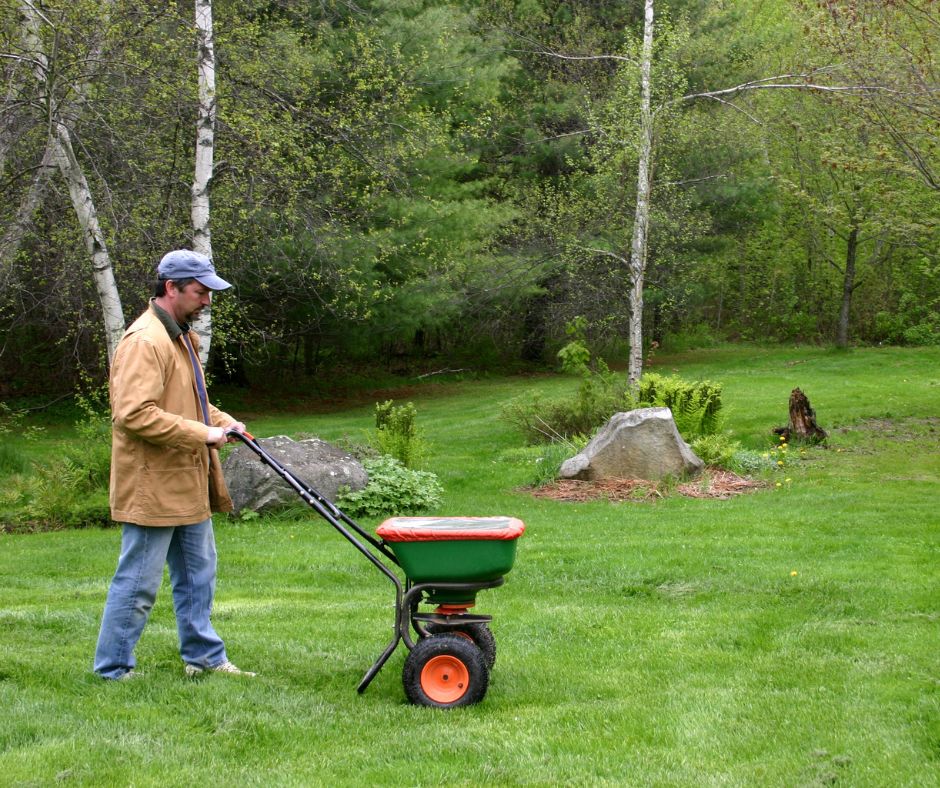
Late Winter (February to March)
For some regions, particularly those in northern states, applying a light application of fertilizer in late winter can help jumpstart growth as the weather begins to warm.
- Avoiding the Wrong Time: Ensure you don’t apply fertilizer too early when the ground is still frozen, as it can have a negative impact on the grass.
Choosing the Right Fertilizer
Understanding the types of fertilizers is important for effective lawn care:
- Synthetic Fertilizers: These often provide quick-release nutrients, making them effective for immediate results but requiring more frequent applications.
- Natural Organic Fertilizers: These can improve soil quality over time but may take longer to show results. They are ideal for those looking to enhance organic matter levels in the soil.
- Slow-Release Fertilizers: These provide a steady supply of nutrients, making them an excellent option for reducing the frequency of applications and preventing nutrient leaching during heavy rainfall.
Additional Tips for Successful Lawn Fertilization
- Avoid High Temperatures: Fertilizing during the heat of summer can stress your grass and lead to poor results.
- Consider Foot Traffic: Areas with heavy foot traffic may require more frequent fertilization to maintain a healthy lawn.
- Utilize Grass Clippings: Leaving grass clippings on the lawn can return essential nutrients to the soil, reducing the need for additional fertilization.
- Follow Local Recommendations: Always check with local extension services for fertilizer recommendations tailored to your specific climate and grass type.
Conclusion
The timing of your lawn fertilization is as important as the fertilizer itself. By understanding the best time to fertilize based on your grass type and local climate, you can create a thriving, well-fed lawn that stands up to the rigors of seasonal changes. Whether you’re nurturing cool-season grasses or warm-season grasses, following these guidelines will help you achieve a vibrant, green lawn ready for the demands of foot traffic, weather changes, and the inevitable summer heat.
With the right planning, you can ensure that your lawn remains a beautiful outdoor space, providing joy and relaxation for years to come.
About HomeMembership:
HomeMembership is a 5 Star Google Rated and A+ BBB home warranty company. Learn more about how they can help you with unexpected home repairs. They have a low deductible, you pick your own provider and there’s no fine print. If it’s in the brochure – it’s covered! Click here to learn more!
Related Posts