
Best Practices for Maintaining a Swimming Pool
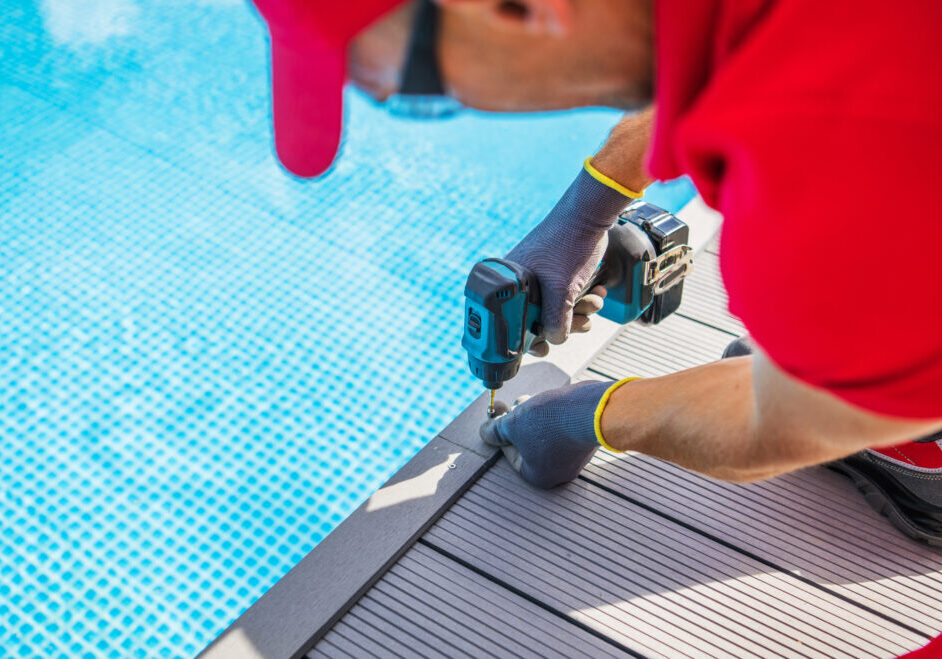
Keeping a swimming pool clean and healthy requires regular maintenance and a good understanding of basic pool care. A well-maintained pool is more enjoyable to swim in and extends the life of your pool’s components. Proper pool care involves balancing chemicals, using the right equipment, and performing regular tasks to ensure the water stays clear and free of harmful bacteria.
One key aspect of pool care is understanding the chemistry of the water. Knowing how to balance the pH, alkalinity, and chlorine levels will keep the water safe for swimmers and prevent damage to your pool. Using the right maintenance tools is also crucial for effective pool care. Items such as pool skimmers, brushes, and vacuums help keep your pool clean with minimal effort.
Establishing a weekly and monthly maintenance routine can catch problems early and keep your pool in top condition. Addressing issues promptly, whether cloudy water or algae growth, helps prevent bigger problems down the line. Maintaining your swimming pool can be a straightforward and rewarding task with the right knowledge and tools.
Understanding Pool Chemistry Basics
Maintaining proper pool chemistry is essential for ensuring safe and clean water. The three main factors to monitor are pH, chlorine, and total alkalinity. Each plays a crucial role in keeping your pool water balanced and safe for swimming.
1. pH Levels: The pH level measures how acidic or basic the water is on a scale of 0-14. The ideal pH for pool water is between 7.2 and 7.6. This range is safest for swimmers and helps chlorine work effectively. If the pH is too high or too low, it can cause skin and eye irritation and damage the pool equipment.
2. Chlorine Levels: Chlorine is a disinfectant that kills harmful bacteria and algae. The ideal chlorine level is between 1.0 and 3.0 parts per million (ppm). Low chlorine levels can lead to unhealthy water, while high levels can cause skin irritation and a strong chlorine smell.
3. Total Alkalinity: Alkalinity acts as a buffer for pH levels, helping to keep them stable. The ideal range is between 80 and 120 ppm. If alkalinity is too low, the pH can swing dramatically, making it difficult to maintain balance. High alkalinity can lead to cloudy water and scaling on pool surfaces.
Essential Pool Maintenance Equipment
Having the right equipment makes maintaining your pool much easier and more efficient. Here are some essential tools that every pool owner should have:
1. Pool Skimmer: A skimmer is a net attached to a long pole and is used to remove leaves, bugs, and debris from the surface of the pool. Regular skimming keeps the water clean and prevents debris from sinking to the bottom.
2. Pool Brush: A pool brush helps to scrub the walls and floor of the pool to remove algae and dirt. Brushing your pool at least once a week prevents algae buildup and keeps the surfaces clean.
3. Pool Vacuum: A pool vacuum is essential for cleaning the bottom of the pool. There are manual vacuums as well as automatic ones like robotic cleaners. Regular vacuuming removes settled debris and helps maintain clear water.
4. Water Test Kit: A water test kit is crucial for monitoring the chemical levels in your pool. Test kits usually measure pH, chlorine, and alkalinity levels. Some kits also test for calcium hardness and cyanuric acid, providing a comprehensive view of your pool’s chemical balance.
Weekly and Monthly Pool Maintenance Tasks
Regular pool maintenance is key to keeping the water clean and equipment functioning properly. Establishing a routine helps prevent issues and makes upkeep easier.
Weekly Tasks:
1. Skim and Brush: Skim the pool’s surface daily to remove leaves and debris. Brush the pool walls and floor at least once a week to remove algae and dirt.
2. Test Water: Use a water test kit to check pH, chlorine, and alkalinity levels twice a week. Adjust chemicals to keep the water balanced.
3. Empty Skimmer and Pump Baskets: Clear out the skimmer and pump baskets weekly to ensure proper water circulation and filtration.
4. Vacuum the Pool: Vacuum the pool floor to remove settled debris. This can be done manually or with an automatic pool cleaner.
Monthly Tasks:
1. Check Filter: Clean or backwash your pool filter monthly to keep it running efficiently.
2. Inspect Equipment: Check the pool pump, heater, and other equipment for signs of wear or damage. Address any issues promptly to avoid bigger problems.
3. Shock the Pool: Shocking the pool involves adding a high dose of chlorine to eliminate bacteria and contaminants. This should be done monthly or after heavy use.
4. Check Calcium Hardness and Cyanuric Acid Levels: Monthly, monitor and adjust calcium hardness and cyanuric acid levels to prevent scaling and protect chlorine from sunlight.
Troubleshooting Common Pool Problems
Even with regular maintenance, pool problems can arise. Knowing how to troubleshoot common issues can save time and keep your pool running smoothly.
1. Cloudy Water: Cloudy water can result from poor filtration, imbalanced chemicals, or high calcium levels. Check and clean the filter, test the water chemistry, and adjust as needed. Shocking the pool can also help clear up the water.
2. Algae Growth: Algae can turn your pool green and make surfaces slippery. Brush and vacuum the pool thoroughly, then shock it to kill the algae. Use algaecide regularly to prevent future growth.
3. Low Water Levels: Pool water levels can drop due to evaporation or leaks. Fill the pool to the appropriate level and check for leaks around the pump and plumbing. Repair any leaks promptly to avoid damage.
4. High Chlorine Levels: If chlorine levels are too high, it can irritate the skin and eyes. Dilute the water by adding fresh water to the pool or letting the sun naturally decrease chlorine levels.
Conclusion
Maintaining a swimming pool may seem like a big task, but with the right knowledge and routine, it becomes much easier. Understanding pool chemistry, having the right equipment, and performing regular maintenance tasks are all essential steps to keep your pool clean and safe. Troubleshooting common issues quickly prevents bigger problems down the line.
While regular maintenance is crucial, sometimes professional help is needed. HomeMembership allows you to choose your own repair service provider and offers reimbursement based on brochure totals after you submit your repair receipt. With HomeMembership, you don’t need prior approval, making the process simple and convenient.
Make sure your pool stays in top shape. Contact HomeMembership to find out how our house warranty services can help you enjoy your pool without the hassle.
Related Posts