Understanding Winter Wear and Tear: What to Watch For

Winter can be hard on your home. Snow, ice, and cold temperatures might cause damage, creating problems that need your attention. As we move out of the chilly months, it’s crucial to check your home for signs of wear and tear to keep it in top shape.
Your roof and gutters, for instance, take a heavy beating during winter. Damaged shingles, blocked gutters, and water stains on ceilings could indicate issues that must be addressed soon. Windows and doors are also key areas to inspect. Cold air drafts and condensation suggest possible problems with insulation or seals.
Plumbing systems are vulnerable to freezing temperatures. Spotting issues early can prevent bigger problems later. Finally, don’t forget the yard. Look for foundation cracks and damage to fences or tree branches. Regular inspections help avoid costly repairs and keep your home safe and secure year-round. By taking time to examine these areas, you ensure your home remains comfortable and protected.
Recognizing Roof and Gutter Damage
Your roof and gutters are your home’s frontline defense against harsh winter weather. It’s essential to check them for damage after the colder months. Look closely at your roof shingles. If you notice any missing, curling, or cracked shingles, it’s a sign that they’ve suffered wear and tear from ice and snow. These issues can lead to leaks, which might cause further damage if not addressed quickly.
Next, shift your focus to the gutters. Blockages from leaves, twigs, or ice can prevent proper drainage. This might result in water spilling over and freezing on your walkways, creating hazardous conditions. Ensure the gutters are clear and intact. Look for tell-tale signs like icicles hanging from the edges, which could indicate blockages or ice buildup within.
Finally, peek inside your home. Water stains on ceilings or walls can often point to a leak somewhere in the roof. These stains are more than cosmetic issues—they’re warnings that water has penetrated your home’s defenses. Addressing these problems promptly can save you from more extensive repairs down the line.
Inspecting Windows and Doors
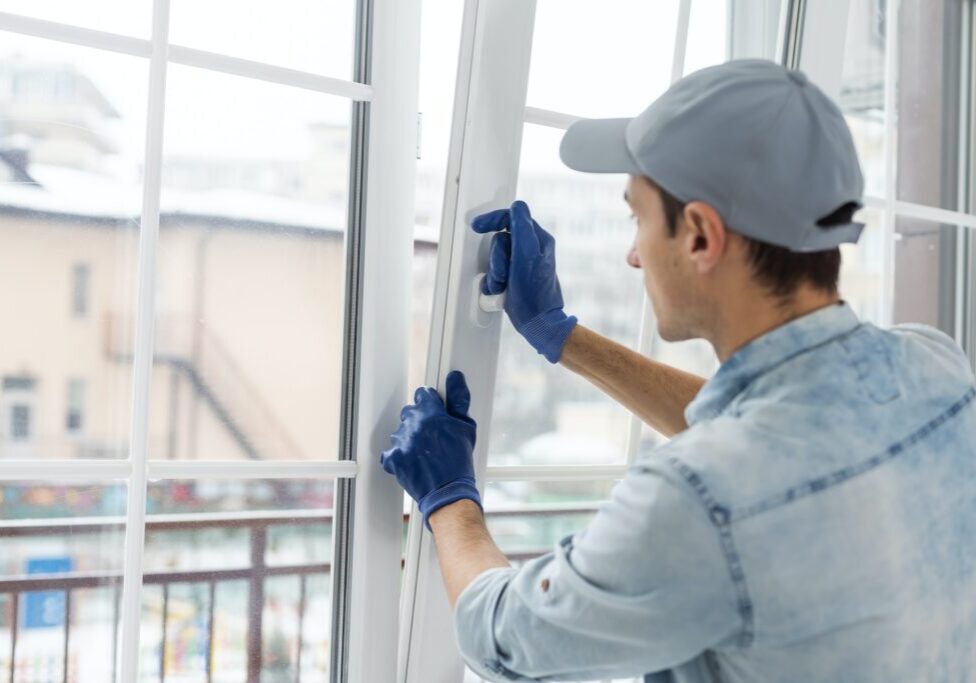
Windows and doors are critical points where the cold can sneak into your home. Start your inspection by checking for drafts. On a breezy day, hold a lighted candle near the edges of windows and doors. If the flame flickers, you likely have a draft, which may mean seal failures or gaps letting in cold air.
Condensation on window interiors is another indicator of trouble. While some moisture is normal when temperatures drop, excessive buildup might suggest that the windows aren’t insulating well. This can lead to mold growth or even ice forming on the glass, compromising the window frame’s integrity.
Consider the insulation and weather-stripping around these areas. Worn or missing weather-stripping can let warm air escape, increasing heating bills and reducing comfort. Replacing old weather-stripping is a simple way to bolster your home’s energy efficiency and keep your indoor climate steady.
Tips to assess windows and doors:
– Check for drafts with a lighted candle
– Look for excessive condensation on glass
– Inspect weather-stripping and replace if needed
By addressing these areas, you will maintain a comfortable home environment even when winter’s chill lingers outside.
Monitoring Plumbing Systems
Winter can be tough on your home’s plumbing. When temperatures drop, pipes can freeze, leading to costly repairs if not caught early. Start by identifying pipes in unheated areas—like basements, crawl spaces, or attics—that might be at risk. Watch for early signs of freezing, such as reduced water flow or frost on pipe exteriors. If a pipe feels unusually cold, it might be starting to freeze.
Water heaters also face challenges in cold weather. They work harder to provide hot water, sometimes leading to inefficiency or breakdowns. Listen for unusual noises or check for inconsistent water temperatures, which might signal an issue. Regularly inspect your water heater for these signs to prevent a full-on failure.
Lastly, pay attention to exterior pipes. They are more vulnerable to the elements, with leaks and bursts being common issues. Check for any damp spots in the yard or spaces around your exterior walls, which might indicate hidden leaks. By staying vigilant, homeowners can prevent plumbing disasters brought on by winter’s chill.
Evaluating Exterior and Yard Impact
Your home’s exterior and yard also take a beating during the winter months. One critical area to examine is the foundation. Cold weather can cause soil to expand and contract, creating or worsening cracks. Look for signs of movement or gaps around the foundation. These could indicate minor issues or herald more serious problems if left unchecked.
Your outdoor features such as fences, decks, and patios are not immune to winter’s wrath either. Inspect these structures for signs of damage, such as warped wood, loose boards, or rusted fasteners. Take note of any immediate repairs needed to prevent further degradation.
Trees add beauty and shade to your yard, but heavy snow and ice can cause branches to break. Check for branches that have fallen or appear precarious and might need attention. Addressing these issues promptly can avoid damage to your property or injuries.
Conclusion
Winter weather can significantly impact your home, from the roof over your head to the pipes under your feet. By staying proactive and inspecting key areas such as the roof, windows, plumbing, and exterior spaces, you can manage potential damage before it becomes overwhelming. Regular maintenance and early intervention safeguard your home, providing a safe, warm environment for your family.
At HomeMembership, we believe in the power of prevention. Our resources and guidance can help you manage home repairs efficiently. Visit our website to explore how HomeMembership can support you with your home needs and ensure you enjoy peace of mind all year round.
Related Posts