Best Way To Get Rid Of Ants In Lawn

Ants are incredible creatures, but when they invade your lawn, they can cause considerable damage and disrupt your outdoor space. Do you see ant mounds or ant trails creeping across your yard? If you do, you will want to handle this issue effectively. In this article, we will look at the best way to get rid of ants in your lawn with a combination of natural methods, home remedies, and commercial solutions.
Understanding the Ant Problem in Your Lawn
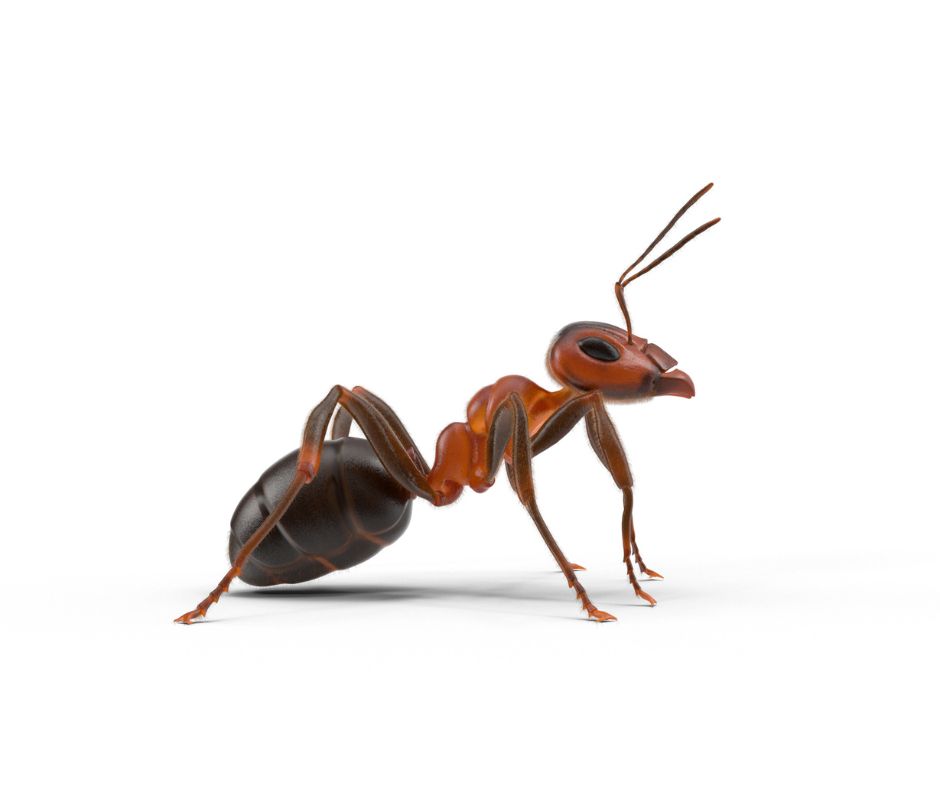
Before talking about solutions, we need to understand why ants have decided to settle in your lawn in the first place. Ants are social insects that form colonies with a highly organized structure. We have all seen the ant colonies in school. Each colony has a queen ant, worker ants, and other members contributing to the group’s success. Ants are usually attracted to food sources such as sugary substances or even decaying organic matter in your lawn.
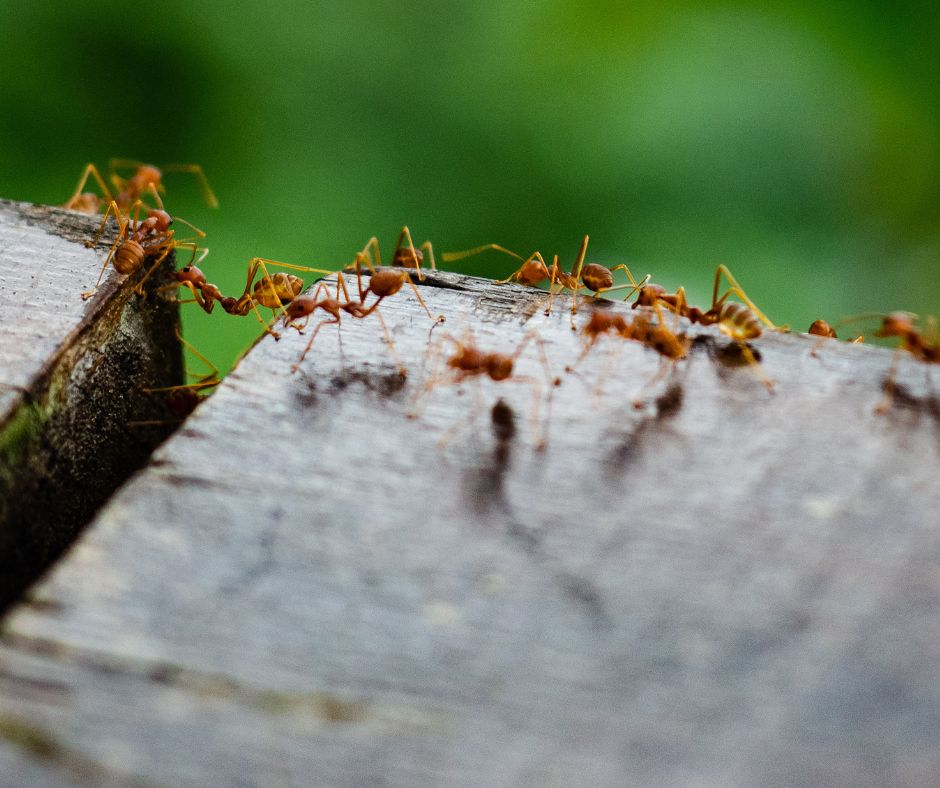
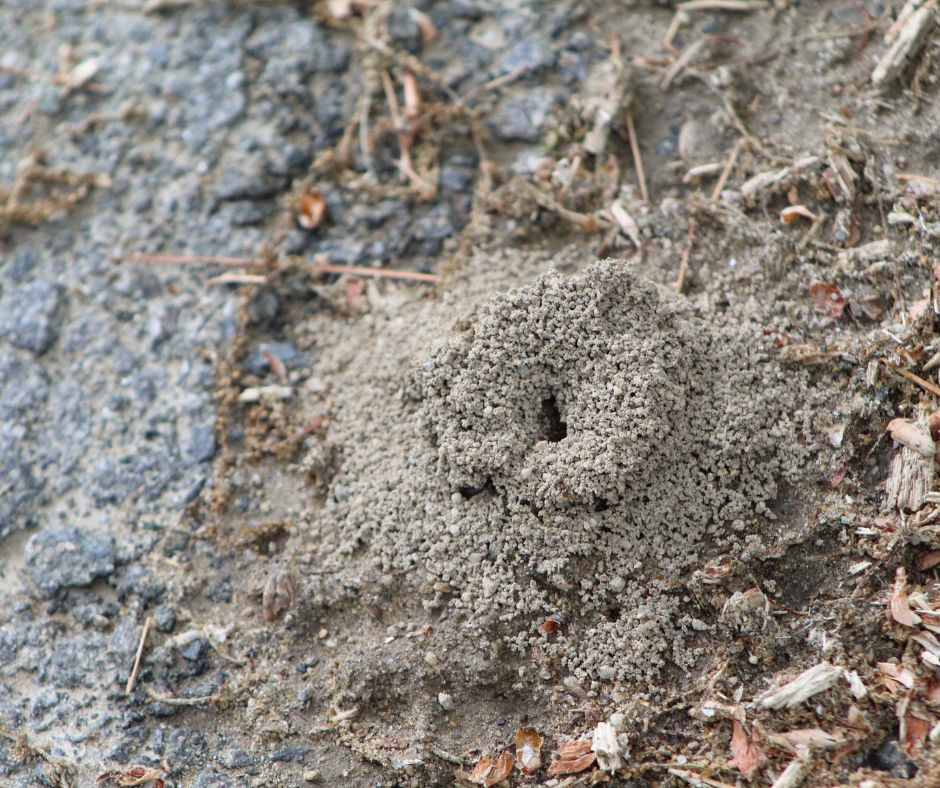
They are also often drawn to water sources, especially during dry spells. When ants build their ant nests or ant hills, they might leave small mounds of soil behind, which can become unsightly and even a tripping hazard. In some cases, ants may even cause structural damage to your yard by weakening grassroots and other plant systems as they burrow.
Types of Ants You Might Find in Your Lawn
Different species of ants can inhabit your lawn. Some of the most common types of ants you might encounter include:
- Fire ants: Known for their painful stings, fire ants can form large mounds and spread quickly if not controlled.
- Carpenter ants: These ants are less aggressive but can cause significant damage by hollowing out wood. If they invade your home, they may cause structural damage.
- Field ants: These ants build smaller ant mounds and prefer areas with more organic matter.
- Pharaoh ants: These small ants are often found around water sources and can be difficult to control.
- Odorous house ants: Known for their distinctive smell when crushed, these ants are attracted to sugary foods and can infest homes if not managed.
- Black ants: Typically found in gardens and lawns, these ants are often harmless but can be a nuisance when their ant colonies grow too large.
Understanding the type of ant you’re dealing with can help determine the best methods of control.
Natural Ways to Control Ants
If you prefer using eco-friendly options, there are several natural methods to get rid of ants in your lawn. These solutions are safe for your plants, pets, and the environment, and they can be very effective when used properly.
- Diatomaceous Earth
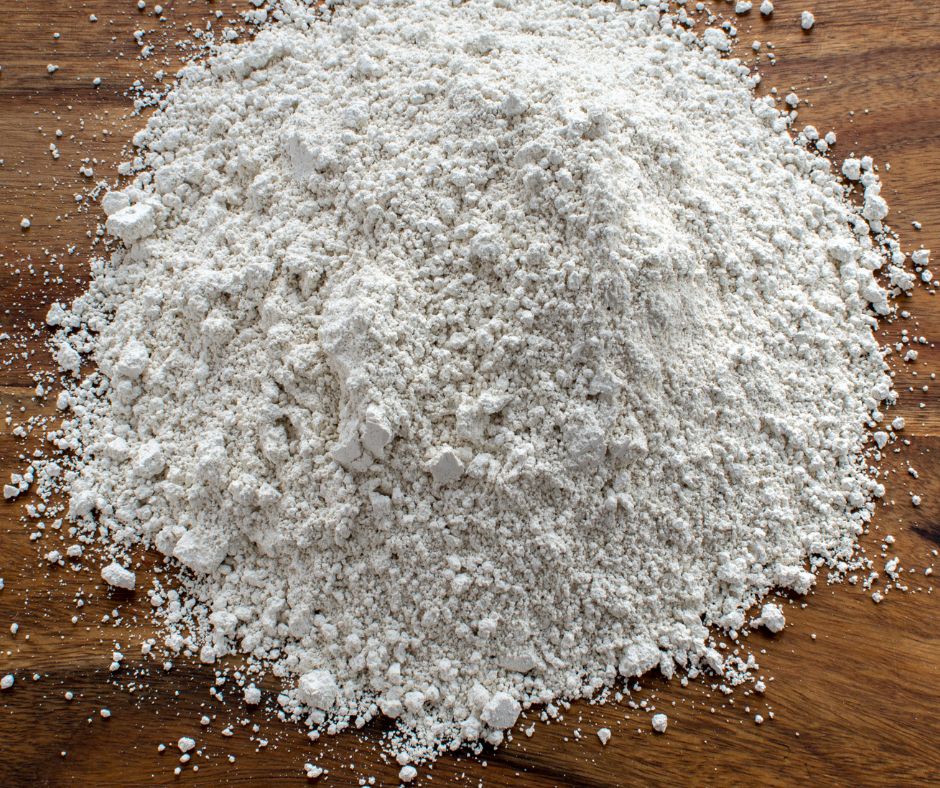
One of the most popular natural solutions for controlling ants is diatomaceous earth. This fine powder is made from the fossilized remains of tiny organisms called diatoms. It works by damaging the ants’ exoskeletons, leading to dehydration and death. Simply sprinkle diatomaceous earth around ant hills and ant trails to kill ants without using harmful chemicals.
- Boric Acid
Boric acid is another highly effective, natural solution. You can mix boric acid with sugar to attract ants, then place the mixture near the entry points of the ant colony. Worker ants carry the poison back to the queen ant and the rest of the colony, eventually killing the entire colony. This method can take time but is an excellent long-term solution.
- Essential Oils
Certain essential oils, such as peppermint oil, lemon juice, and white vinegar, are known to repel ants effectively. You can create a natural pesticide by mixing a few drops of these oils with water and spraying the solution directly onto the ant mounds, ant trails, and any entry points you find. The strong smell disrupts the ants’ pheromone trails, preventing them from finding their way back to the colony.
- Peppermint oil is particularly effective for keeping ants away due to its strong scent.
- Lemon juice can alter the pH balance of the soil, which ants find inhospitable.
- White vinegar can dissolve the scent trails that ants use to navigate.
- Soapy Water
One of the simplest and most effective methods is to use soapy water. Fill a spray bottle with water and add a tablespoon of dish soap. This solution will suffocate the ants by clogging their breathing pores. Apply this mixture to the ant hills and ant trails for a quick kill. Soapy water is also a great way to target individual worker ants without harming other beneficial insects in your garden.
- Baby Powder or Coffee Grounds
For an even more natural solution, you can sprinkle baby powder or used coffee grounds around ant nests or near ant trails. Both of these substances can disrupt the ants’ movements. Coffee grounds can also attract beneficial insects that will help control the ant population.
- Boiling Water
If you have a particularly large ant mound or ant nest, pouring boiling water over it is an effective way to kill ants on contact. The heat will penetrate deep into the colony and kill the ants, including the queen ant. Just be cautious and wear gloves, as the boiling water can burn you as well.
Commercial Products for Ant Control
If you’re looking for a more targeted solution, there are several commercial products that can help control your ant problem. Some of the best results can be achieved by using ant baits or bait traps. These products contain food attractants combined with an active ingredient that poisons the ants. Worker ants take the bait back to the ant colony, ultimately killing the queen ant and causing the collapse of the entire colony.
Some granular insecticides can be sprinkled around ant hills or applied to your lawn as part of your regular lawn care routine. These chemicals can kill ants on contact and disrupt their colony structure, but they may also harm beneficial insects like bees. Always follow the manufacturer’s instructions to ensure safe and effective use.
- Bait Treatments
Ant baits are one of the best ways to manage an ant infestation over time. These traps lure ants with a food source that contains a poison that acts slowly. When the ants return to the colony with the poisoned bait, this kills the ants gradually without them realizing it. Slowly these baits should help reduce the ant population in your yard.
- Granular Insecticides
Granular insecticides can be sprinkled around small mounds of soil or applied to larger areas. These products usually contain a chemical that targets the ants’ nervous system, causing paralysis and death. Granular insecticides can also harm other beneficial insects, so use them carefully.
Keeping Ants Out for Good
After you’ve successfully dealt with an ant infestation, it’s essential to take preventive measures to avoid future ant invasions. Here are a few tips:
- Seal entry points: Ensure that your home is properly sealed and that there are no cracks or gaps that ants can use to enter.
- Remove food sources: Keep your lawn and garden free from decaying organic matter and spilled food. This helps reduce the attraction for ants.
- Control moisture levels: Ants are drawn to soggy spots, so make sure your lawn isn’t overly saturated with water. Fix any leaks or drainage issues.
- Encourage beneficial insects: Certain natural enemies of ants, such as birds, frogs, and other predatory insects, can help keep your lawn ant-free.
Conclusion
Whether you choose natural repellents, commercial products, or a combination of methods, there are plenty of ways to control ants in your lawn. By using the best methods and understanding the type of ant species you’re dealing with, you can effectively manage your ant problem without causing harm to the environment or your home.
Always remember that the best way to get rid of ants is through a proactive approach—by monitoring your lawn regularly, identifying the problem early, and using the right treatment options.
Next time you spot ant trails or ant mounds in your yard, you’ll be prepared with the knowledge to handle the situation and prevent future ant invasions.
About HomeMembership
If you are a homeowner, you may have to deal with an unexpected repair. HomeMembership Home Warranty can simplify the process. Choose your own service provider, submit the repair receipt, and get reimbursed based on our brochure totals. You don’t need to contact us for approval beforehand, making it hassle-free.
Visit HomeMembership to learn how our membership can help with your home repair assistance needs. Breathe easier knowing you have support when you need it the most.
Related Posts