Clogged Kitchen Sink? Drano Not Working? Here’s What to Do Next

Dealing with a clogged kitchen sink and Drano isn’t working? Try these expert tips to unclog your drain—and see how HomeMembership can help cover plumbing costs.
It’s the end of a long day. You’ve just finished washing a mountain of dirty dishes, and suddenly, the water in your kitchen sink won’t go down. You’ve poured Drano in—maybe even twice—and yet, the standing water sits there, mocking you. Don’t worry, you’re not alone. A clogged kitchen sink where Drano is not working is one of the most common causes of plumbing frustration in any home. Fortunately, there are still plenty of effective methods to get your sink flowing again.
Let’s walk through expert tips to help clear a stubborn clogged drain without causing further damage to your plumbing system.

Step 1: Identify the Common Cause of the Clogged Kitchen Sink
The most common reasons behind a kitchen sink clog are food particles, grease, coffee grounds, and soap scum build-up. These things settle in your drain pipe over time, eventually leading to a blockage. If you have a double-bowl kitchen sink, the clog could be in the shared p trap, where debris from both sides collects.
Another overlooked factor? A jammed or non-functioning garbage disposal. If you hear a hum but no grinding, try resetting it before diving into more complex fixes.
Step 2: Try the Boiling Water Method First to fix the Clogged Kitchen Sink
This one is simple and surprisingly effective for minor clogs. Bring a pot of water to a rolling boil and slowly pour it down the drain opening. If your pipes are made of PVC, be cautious with the temperature—use hot water, but not boiling.
Sometimes, hot water alone can melt grease or loosen soft clogs. If you see the water start to move, that’s a good sign.
Step 3: Use a Homemade Drain Cleaner
Skip the harsh chemicals and try a natural drain cleaner instead. Mix one part baking soda (sodium bicarbonate) with one cup of vinegar or a cup of white vinegar. Pour the baking soda into the kitchen sink drain, then follow with the vinegar.
You’ll hear a bubbling reaction—this is the mixture breaking down gunk inside your pipes. Use a wet rag or plate for 15–30 minutes to cover the drain. Allow it to sit, then flush with warm water or a second pot of water. Repeat if needed.
This DIY solution is safe for most sinks and great for regular maintenance.
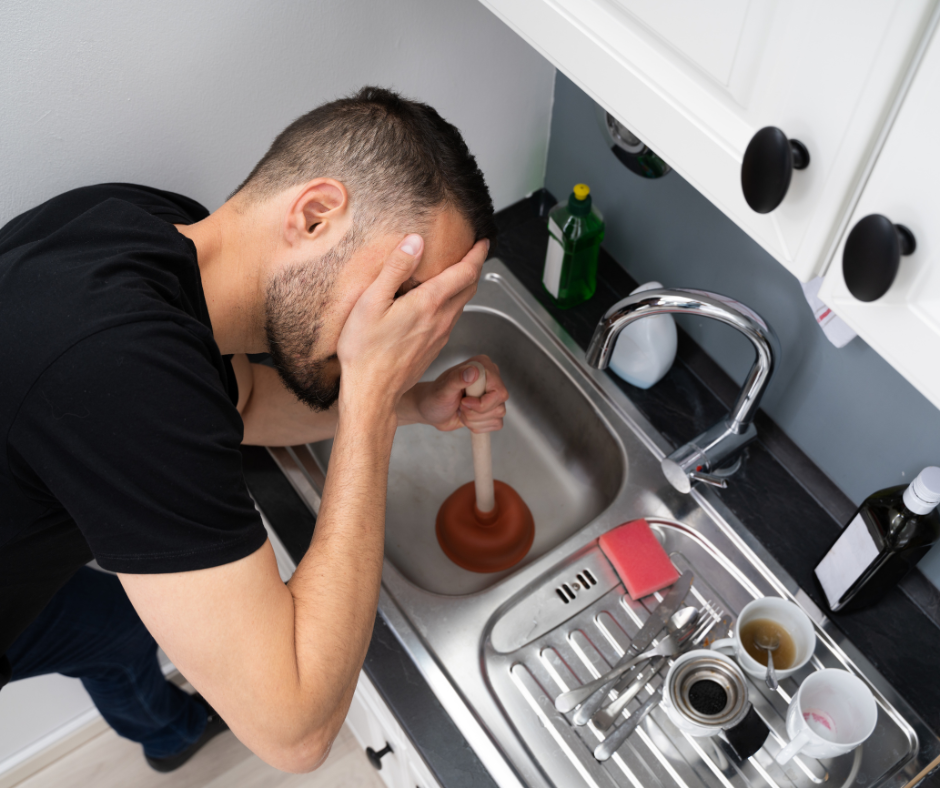
Step 4: Plunge the Sink (Yes, Really)
Get your kitchen sink plunger—not the one you use for the bathroom sink or toilet—and give it a try. Ensure there is enough water to cover the plunger’s base and create a tight seal. Block the other side of the double sink using a wet rag.
Use firm, consistent plunges to try and dislodge the clog. Sometimes, it takes a couple of minutes, but this method often works when chemical drain cleaners fail to do so.
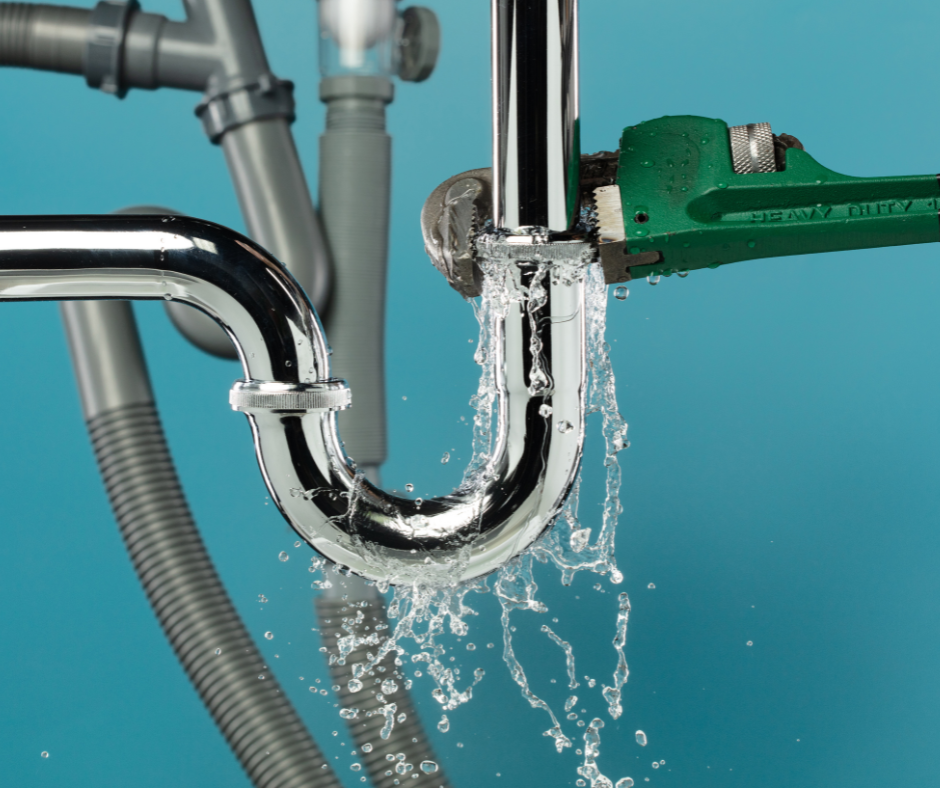
Step 5: Clean the P Trap
If the clog hasn’t budged, the next step is getting your hands a little dirty. Place a bucket underneath the p trap, the U-shaped section under your sink, and unscrew it carefully. Clear out any food scraps, coffee granules, or built-up debris.
Reattach everything and run hot water to check if the flow has returned. If not, it’s time for more advanced tactics.
Step 6: Use a Drain Snake or Makeshift Plumber’s Snake
A plumbing snake (also known as a drain snake) is a very effective way to deal with a deeper clog. You can get one at a local hardware store—or if you’re in a pinch, uncoil an old wire coat hanger into a hook shape.
Insert the snake or wire into the drain and rotate slowly, trying to catch or break up the blockage. Pull out debris and rinse the drain with boiling water.
Pro tip: Avoid pushing too aggressively; you don’t want to damage your drainage system or cause leaks.
Step 7: Check Your Plumbing Vents
If your sink remains sluggish even after snaking, you may have a blocked vent pipe—especially if you’re noticing slow drains elsewhere in your home. These vents allow air into the system, enabling water to flow freely. When blocked, they can cause clogged line issues that feel impossible to fix from below.
In such cases, it’s advisable to consult a professional plumber.

Step 8: Call a Professional Plumber for a Deeper Issue
If none of the above methods clear the clog, the clogged kitchen sink may be a symptom of a deeper issue in your plumbing system—especially in older homes or where plumbing vents may be compromised. Experienced plumbers can assess your setup and perform drain cleaning safely and effectively.
The good news is that a professional can often fix the issue quickly, helping you avoid costly water damage or long-term problems.
Prevention: Avoid the Next Kitchen Sink Clog
Once your kitchen drain is clear, the goal is to keep it that way. Here are some expert tips:
Use a drain strainer to catch food items and coffee grounds. Never pour grease or hot oil down the sink. Run cold water when using the garbage disposal to keep fats from solidifying. Perform regular maintenance using natural products, such as baking soda and vinegar. Limit the use of chemical drain cleaners, which can erode pipes with repeated use. Also, ensure your drain pipe has proper air circulation through functioning vent pipes, especially in a small kitchen or a tight space setup.
A clogged kitchen sink where Drano is not working doesn’t have to mean a plumbing disaster. With the right approach—from homemade drain cleaner methods to cleaning the p trap and using a plumbing snake—you can tackle most sink clogs on your own.
Of course, if you’ve tried everything and still have standing water, don’t hesitate to contact professional plumbers. It’s always better to deal with a clogged sink drain sooner rather than later to avoid further damage and ensure your water flow returns to normal.
Take these DIY methods seriously, use daily basis prevention tips, and your kitchen sink will thank you!
Get the best home warranty to help cover the cost of home repairs!
If plumbing issues like a clogged kitchen sink keep happening in your home, it may be time to get help that goes beyond DIY. With a HomeMembership home warranty, you’ll get peace of mind knowing that many plumbing repairs—like drain cleaning, garbage disposal issues, and more—may be covered.
HomeMembership makes it easy to protect your home from costly repair and maintenance expenses with clear coverage and fast service. Learn how HomeMembership can help you handle home repairs without the stress.
Related Posts