
Does a Home Warranty Covers a Water Softener
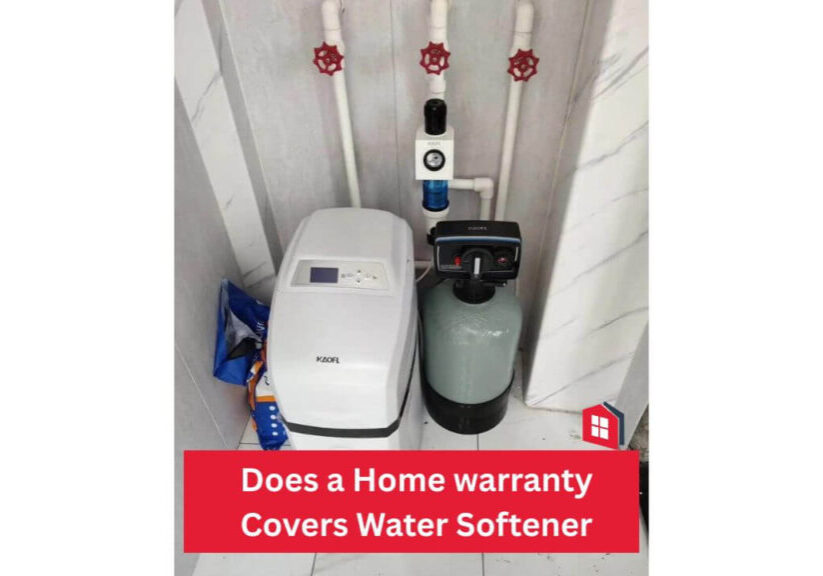
A lot of homeowners ask whether a home warranty covers a water softener because it is an important system in homes affected by hard water. When a water softener stops working, it can lead to mineral buildup, reduced water quality, and added strain on plumbing fixtures and appliances. Coverage depends on the home warranty provider, the specific plan, and whether the water softener is treated as part of the home’s plumbing system or offered as an optional add-on. According to the U.S. Geological Survey, hard water contains dissolved calcium and magnesium, and water is classified as hard at 121–180 mg/L and very hard above 180 mg/L.
What is a water softener?
A water softener is a home system designed to remove minerals like calcium and magnesium from your water supply. These minerals are what cause hard water, which can leave scale buildup on faucets, reduce the efficiency of appliances and make soap less effective in bathing, laundry and cleaning. In homes with hard water, a water softener can help protect plumbing, reduce mineral deposits and support the long-term performance of appliances such as dishwashers, water heaters and washing machines. The U.S. Department of Energy notes that water softeners help prevent mineral deposits and scale buildup that can contribute to leaky faucets, clogged pipes and damage to water-based appliances.
Does a home warranty covers a water softener?
A home warranty may cover a water softener, but coverage is not always included in a standard plan. Some home warranty companies offer water softener protection only as optional coverage, while others may include it under limited plumbing-related protection or as a separate add-on. Because coverage can vary by provider, it is important to review the contract carefully and check whether the water softener is specifically listed as a covered item.
When a water softener may be covered
At HomeMembership, a water softener is not included in the standard plan, but it can be added as an optional Premium Add-On. The site lists Water Softener coverage separately with a $400 aggregate limit, which means coverage applies only if the homeowner has added that option to the membership.
A water softener may be covered when the item is specifically included in the contract and the failure is caused by normal wear and tear rather than an excluded condition. HomeMembership’s water softener page explains that this add-on is designed to help with repair or replacement costs when a softener stops working from everyday use, such as when the unit will not regenerate, the control head fails, or the system no longer softens water properly.
Coverage also depends on the system being properly handled under the plan rules. In practice, that means the water softener should be an eligible covered item under your membership, the claim should involve a covered breakdown, and the repair process should follow the contract requirements. HomeMembership also states that members can use their own licensed service provider for covered claims, which helps keep the process flexible.
When a water softener is usually not covered
A water softener is usually not covered if the problem falls under one of the common exclusions in HomeMembership’s terms and coverage language. For example, pre-existing conditions are a common exclusion, and coverage generally assumes the item was in acceptable condition when the plan began. The site also notes that improper installation and certain code-related issues are not covered.
HomeMembership also makes clear that maintenance is not covered, including for the Water Softener add-on shown in its coverage chart. That means routine upkeep, service, and other maintenance-related costs would usually remain the homeowner’s responsibility.
In addition, coverage usually does not apply to issues caused by outside factors rather than a covered mechanical breakdown. As a practical rule, homeowners should not expect coverage for cosmetic issues, misuse, unauthorized repairs, expired promotional coverages, or costs that are not specifically listed as covered in the contract. Manufacturer warranty situations may also take precedence when the unit is still under that separate protection.
What parts of a water softener might be covered
With HomeMembership, it is best to think of water softener coverage as limited component protection rather than unlimited full-system coverage. The Water Softener option is offered as a Premium Add-On with a $400 aggregate limit, so coverage is tied to the specific failed part and the plan limit, not to an open-ended full replacement of every part of the unit.
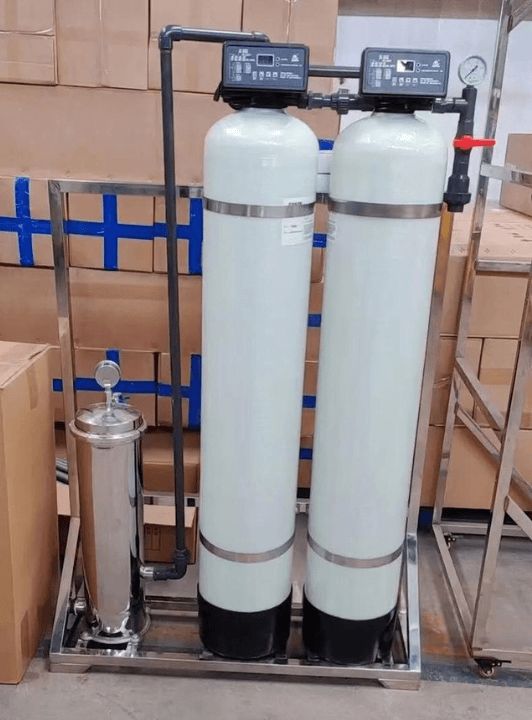
In practical terms, the parts that might be covered are the components directly involved in the system’s operation when they fail due to normal wear and tear. Depending on the failure, that can include items such as the control head, motor, valves, internal mechanical parts, and electrical components that help the unit run properly. HomeMembership’s terms also state that reimbursement is based on the actual part that has failed and is listed on the coverage chart, which reinforces that this is component-based coverage rather than blanket protection for every part of the system.
That distinction matters because full-system coverage and limited component coverage are not the same. Full-system coverage would suggest broad protection for the entire water softener as a whole, while limited component coverage means the plan helps with a covered breakdown of specific operating parts, subject to the add-on terms, deductible, and aggregate limit. With HomeMembership, the wording and structure point to that second approach.
Homeowners should also know that consumable items and upkeep are usually not covered. That generally includes things like salt, filters, resin beads, routine cleaning, and regular maintenance, since HomeMembership’s coverage chart specifically notes that maintenance is not covered for the Water Softener add-on.
Is a water softener covered under plumbing or as an add-on?
That depends on the company. Some home warranty providers may treat a water softener as part of broader plumbing-related protection, while others classify it as optional equipment that requires separate coverage. The important thing for homeowners is not to assume it is included just because the home has plumbing coverage. Coverage depends on how the provider defines the item in the service agreement.
At HomeMembership, a water softener is not listed under the standard plumbing section of the coverage chart. Instead, it appears under Premium Appliance Upgrades Available as Water Softener ($400 Total Agg. Limit), which shows that it is handled as an optional add-on rather than standard plumbing coverage.
That is why reading the service agreement carefully matters. Homeowners should check whether the water softener is named specifically, whether it falls under core coverage or optional upgrades, and what limit applies if a claim is approved. With HomeMembership, the water softener add-on has its own separate limit and maintenance is not covered, so the contract details make a real difference.
Home warranty vs. manufacturer warranty for water softeners
A manufacturer warranty and a home warranty protect against different types of problems. A manufacturer warranty usually applies when the unit is newer and is mainly focused on defects in materials or workmanship. HomeMembership’s water softener coverage page explains that a manufacturer warranty is tied to the unit when it is new and typically focuses on defects.
A home warranty, by contrast, is meant to help after installation and after the manufacturer warranty period becomes less useful or expires. HomeMembership describes its water softener coverage as protection for covered breakdowns caused by normal wear and tear from everyday use, subject to plan limits and the deductible.
The difference is important because the two protections are not interchangeable. If a problem is still covered by the manufacturer, that coverage may apply first. HomeMembership’s terms also state that items under a manufacturer’s warranty are excluded in certain coverage situations, which is another reason homeowners should review both warranties before filing a claim.
Signs you should check your home warranty coverage
If your water softener is starting to act up, it is a good time to review your home warranty plan and see whether the system is covered and what limits apply. Small performance issues can turn into bigger problems if the unit is not working the way it should.
- Your water feels hard again: If the water suddenly feels different, your softener may no longer be removing minerals properly.
- Soap is not lathering well: Hard water makes it harder for soap and shampoo to foam, which is often one of the first signs something is wrong.
- Mineral spots are returning: Spots on dishes, glass shower doors and faucets can be a sign that hard water is moving through the home again.
- The unit is leaking: Any visible leak around the water softener should be checked quickly, especially if it may involve a covered mechanical issue.
- The softener is not cycling properly: If the system is not regenerating, running at the wrong times or not using salt correctly, there may be an operational problem.
- Appliances are showing scale buildup: If your dishwasher, water heater or washing machine is starting to show mineral buildup, the softener may not be doing its job.
When you notice these warning signs, it is smart to review your service agreement before scheduling repairs. That way, you can confirm whether the water softener is included in your plan, whether it requires add-on coverage and what exclusions or coverage limits may apply.
How to know if your water softener is covered
The best way to know if your water softener is covered is to check your plan details before you need service. Since coverage can vary from one provider to another, homeowners should not assume the system is included automatically.
- Review the service agreement: This is the most important step because the contract explains what is covered, how claims work and what conditions apply.
- Look for exclusions and coverage caps: Even if a water softener is covered, there may be limits on what the plan will pay or exclusions for certain types of damage.
- Check if the water softener is listed by name: If the item is not specifically mentioned, it may not be included in the plan.
- Confirm whether add-on coverage is required: Some home warranty companies offer water softener protection only as an optional upgrade instead of standard coverage.
- Ask whether both parts and labor are included: A covered repair may still have limits, so it is important to know exactly what the plan pays for.
- Understand service fees and claim limits: Before filing a claim, make sure you know the deductible, service call fee and any payout cap that applies to the water softener.
Taking a few minutes to review these details can help you avoid surprises later and understand whether your water softener is actually protected under your home warranty plan.
Is a home warranty worth it for a water softener?
A home warranty can be worth it for a water softener, especially if you want help with unexpected repair costs. Water softener problems are not always minor, and repairs can become expensive when important parts such as valves, motors, control heads, or electrical components fail. In those situations, having coverage may help reduce the out-of-pocket cost of a covered breakdown.
That said, the value depends on the plan details, not just the idea of having a warranty. Homeowners should look at whether the water softener is included at all, whether it requires add-on coverage, what the coverage cap is, and whether the plan covers both parts and labor. A home warranty can be helpful, but only when the coverage is clear and the limits make sense for the type of repair you may face.
Why coverage details matter more than the label
Not all home warranty companies cover systems the same way. Two plans may both sound comprehensive, but the actual protection can be very different once you read the contract. Some plans have narrow exclusions, low payout caps, or restrictions that limit how useful the coverage really is when something breaks.
That is why homeowners should always go beyond the label and look at the actual terms. A plan that sounds broad in advertising may only offer limited protection in practice. In some cases, the issue is not whether the company says it covers a water softener, but how it covers it, how much it will pay, and what conditions apply to the claim.
How HomeMembership approaches home warranty coverage
At HomeMembership, the approach is built around clarity, flexibility, and ease of use. Instead of making homeowners guess what is included, coverage is laid out clearly so members can see what is part of the standard plan and what is available as an optional add-on.
HomeMembership also gives members more freedom in the claims process by allowing them to choose their own technician, which is a major difference from many traditional home warranty companies. That flexibility can make the experience easier and more convenient, especially for homeowners who already have a trusted local professional.
Just as important, HomeMembership focuses on giving homeowners a straightforward way to understand their protection before they need it. When it comes to items like water softeners, that kind of transparency matters because the real value of a home warranty comes from knowing exactly what your plan covers and how the process works when something goes wrong.
Related Posts