Fall Lawn Aeration: The Best Way to Prepare Your Lawn for a Healthy Spring

If your lawn struggled through the summer heat, looked patchy in places, or felt more like concrete than soft turf, it’s time to consider fall lawn aeration. Lawn aeration isn’t just a buzzword tossed around by landscaping pros—it’s a great way to boost the health of your lawn and set it up for success in the months ahead.
But when is the best time to aerate? What does the aeration process do? And how can fall aeration help give you a thick lawn that turns heads next spring? Let’s dig into it (pun intended).
Why Lawn Aeration Matters
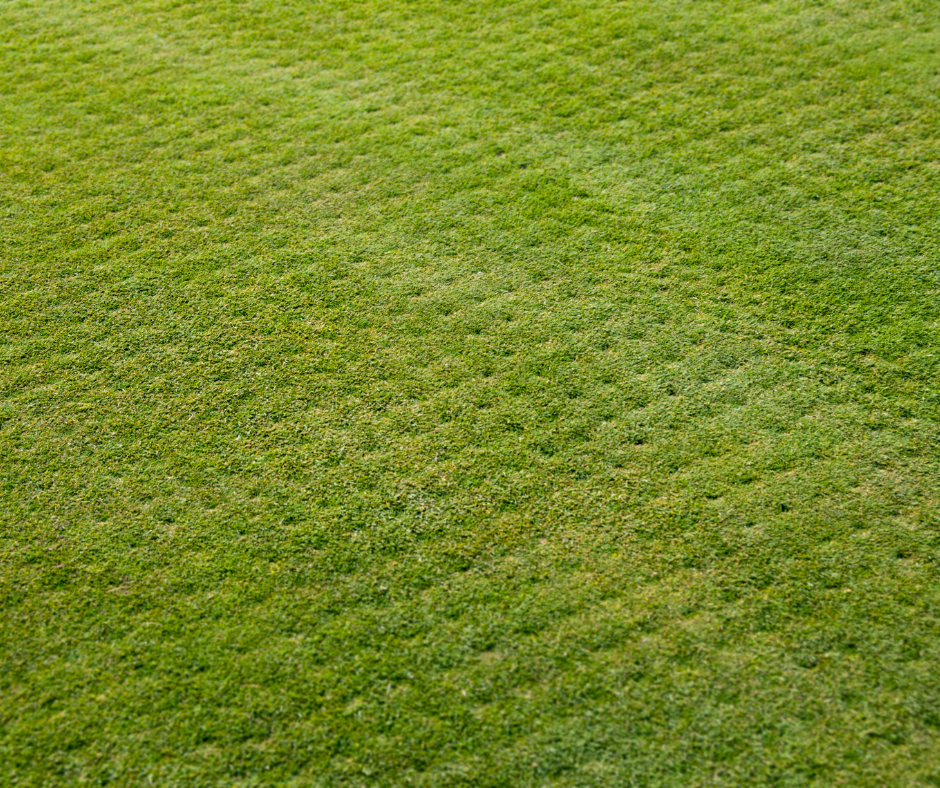
Over time, your lawn’s soil becomes compacted, especially if you have clay soils, heavy foot traffic, or frequently use lawn equipment. This soil compaction makes it hard for water, oxygen, and essential nutrients to reach the roots of your grass. When that happens, grass struggles to grow, and you’ll start seeing bare spots, brown patches, and more weeds.
Lawn aeration solves this by creating small holes in the soil, allowing the grass roots to breathe, absorb nutrients, and grow deeper. It also helps break up thatch build-up, that dense layer of dead grass that chokes out healthy growth.
Why Fall is the Perfect Time for Aeration
The fall season, especially early fall, is the ideal time for most homeowners to aerate their lawn, particularly those with cool-season grasses like tall fescue or Kentucky bluegrass. These grass types experience their most active grass growth in the early fall, making it the prime time to promote root growth and prepare for the colder months.
While early spring and late spring can work in some regions, fall aeration gives your lawn the best chance to recover from drought conditions, thatch buildup, and dry soil caused by summer stress.
Core Aeration vs. Spike Aeration
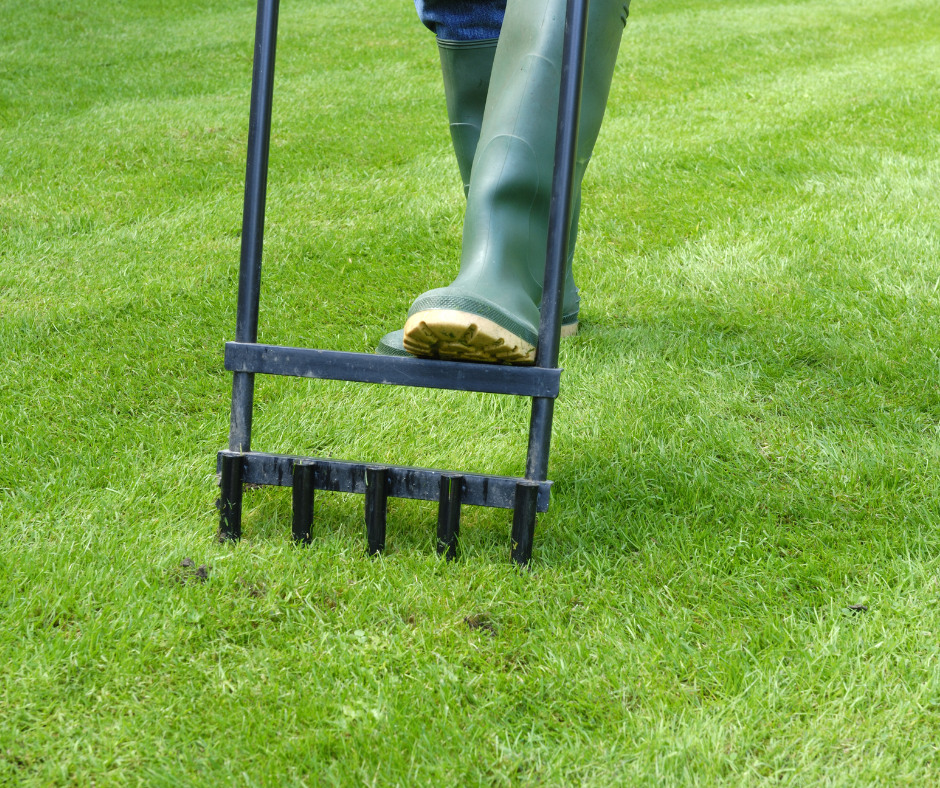
There are several different aeration methods, but if you want the best results, go with core aeration. This technique uses a core aerator or plug aerator to remove small cores of soil (also called soil plugs) from your yard. The plugs of soil are left on the surface to break down naturally, returning organic matter to the lawn.
While spike aerators simply poke holes in the soil surface, they can increase compaction over time, especially in heavy clay soil. If you’re going DIY, rent a core aerator or hire a lawn service that uses professional-grade equipment.
Preparing Your Lawn for Aeration
Before you start, mow your grass a little shorter than usual and ensure the ground is moist, not soggy, but not too dry soil. This helps the core aerator penetrate the ground more easily. Flag any sprinkler heads or hidden objects to avoid damaging them during the process.
Then, make several passes with your aerator in different directions to ensure good coverage. A single pass might not cut it if your lawn has excessive thatch or hasn’t been aerated in years.
What to Do After Aeration
Here’s where the magic happens. Those aeration holes are the perfect invitation for new grass seed. Overseeding after fall aeration gives cool-season lawns the best chance to grow a vibrant lawn come next spring.
Spread new seeds over the aerated lawn, focusing on bare areas and thin spots. Then follow up with fall fertilization to feed the roots while they grow.
The result? A healthier lawn with deeper roots, healthier grass, and stronger resistance to weeds, disease, and harsh weather.
Liquid Aeration: A New Option?
Liquid aeration is gaining popularity as a less labor-intensive method. Instead of pulling plugs of soil, it uses a liquid formula to break up soil compaction and promote soil contact. While it can be a good idea in some cases, especially for quick fixes, it doesn’t provide the same level of breathing room and root zone benefits as traditional core aeration.
Fall Aeration for Warm-Season Lawns?
If you have warm-season grasses, the late summer to early fall window might be a good time, but timing is more sensitive. These grasses go dormant in fall, so you want to aerate while growing to encourage root growth before the first frost.
A Long-Term Investment
A well-aerated lawn is a vigorous lawn. It absorbs water better, grows thicker, and withstands stress like heat, foot traffic, and weeds. If you want a resilient lawn year after year, adding fall lawn aeration to your lawn care routine is one of the best ways to support the overall health of your yard.
Bonus Tip: Protect Your Home and Lawn with HomeMembership.com
While you’re out there investing in your lawn’s health, don’t forget about the rest of your home. At HomeMembership.com, they take the hassle out of home warranties. Unlike other companies, they’re upfront about what’s covered—no fine print, no nonsense. You can even choose your service provider, and they have some of the fastest turnaround times in the industry.
Whether dealing with lawn equipment repairs or major home systems, HomeMembership gives you peace of mind while you focus on growing a beautiful lawn. That’s a good idea any time of year.
Related Posts