
Basement Drain Clogged: What to Do When Water Won’t Go Down

Is your basement drain clogged? Learn how to fix a clogged basement drain, prevent backups, and protect your home from costly water damage with practical tips and professional insight.
A clogged basement drain is more than a nuisance—it can quickly turn into a serious water damage problem. Whether it’s the basement floor drain backup, sewer drain issue, or excess water pinballing across your basement floor, knowing how to respond can save your home from severe damage and expensive repairs. Here’s a guide—using real-world insight, not AI fluff—on why it happens, what you can do, when to call in the pros, and how to prevent it.
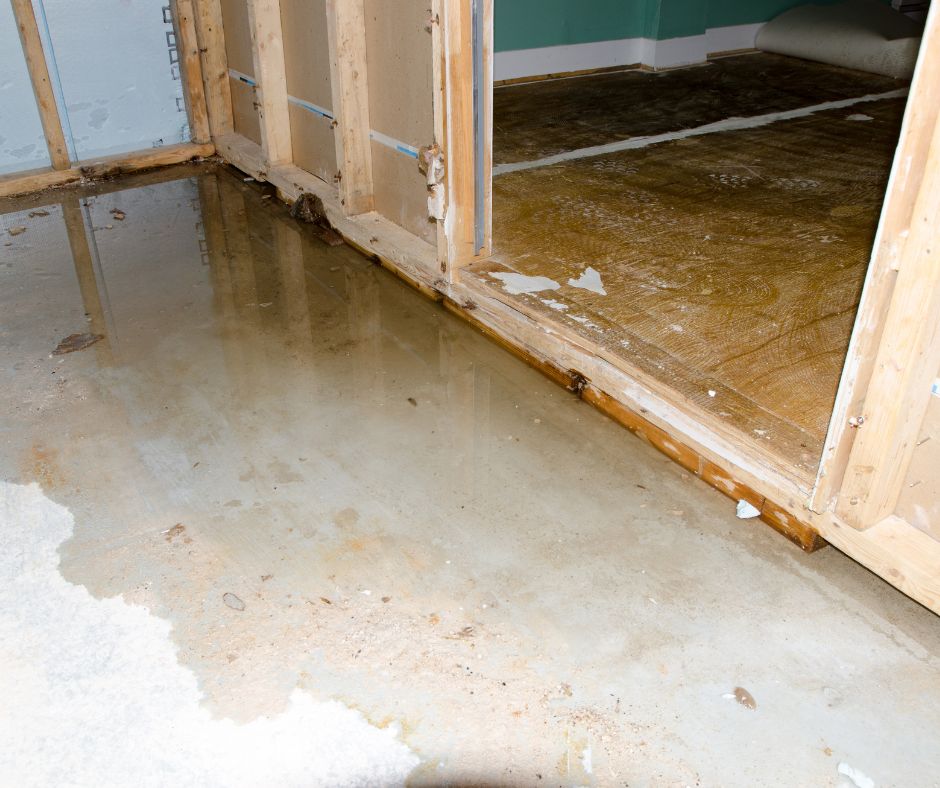
Why Do Basement Drains Clog?
These are some of the most common causes of a clogged or backed-up drain in your basement:
- Heavy rains and poor drainage systems can allow excess water to pool around your foundation and flow into a French drain or groundwater floor drains. That sudden burst of water leads the line to back up into your basement.
- Tree roots can invade drain pipes near older homes, eventually breaking them or sealing them shut.
- Sewer problems—like a blocked main sewer line, clogged main drain line, or issues with your septic tank—can reflect wastewater into your lowest plumbing fixture.
- An overly strong sump pump or a storm drain that’s unable to keep up means your basement stays wet.
- DIY mistakes—such as dumping grease, hair, or baking soda down a basement drain—can accumulate over time.
- Old homes with outdated plumbing may have corroded pipes, broken plumbing fixtures, or clogged sewer gases built up.
First Steps to Stop the Backup
Your first thing to do is turn off the sump pump, if applicable, to stop unwanted flow. If your basement floor drain is flooding, block it or try to redirect the water using towels or a wet-dry vacuum.
Once the immediate flow has slowed, take these steps:
- Protect any flooring (especially carpet or wood). Furniture and movable items should be relocated.
- Clear space around the drain cover so you can remove it. Sometimes, the blockage is just under the grate.
- Turn off the water supply to nearby kitchen sink, washing machine, or water heaters to ensure no new water enters the system.
- If you smell sewer gases, open windows for ventilation.
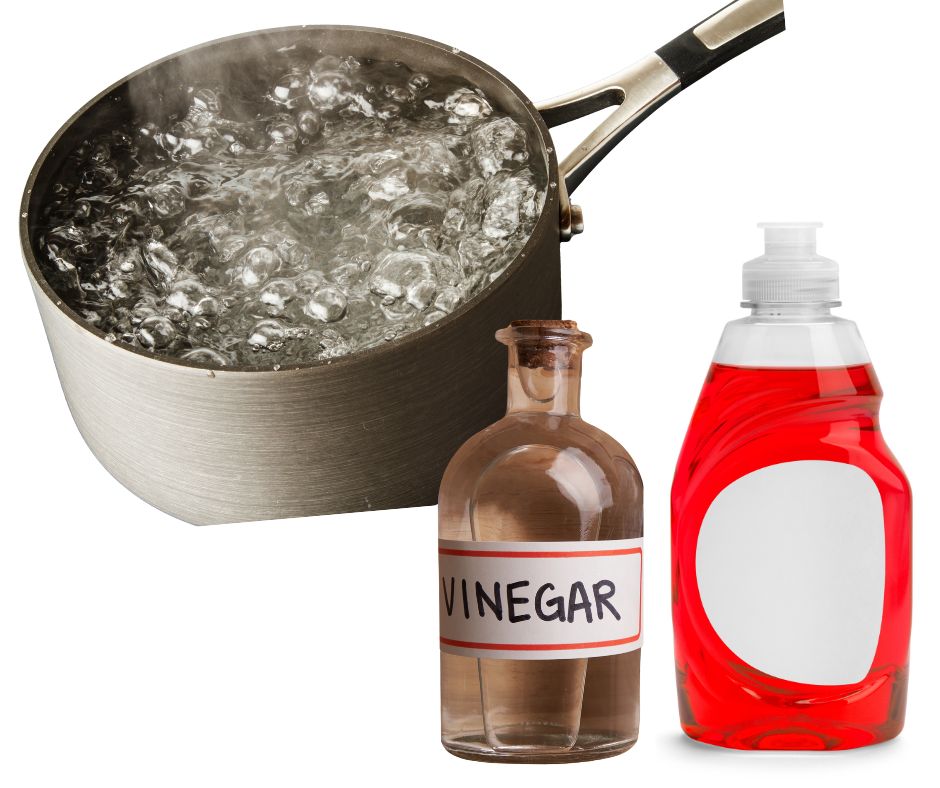
How to Clear the Clog
1. Boiling Water, Dish Soap, or Vinegar
If this is a minor clog (e.g., from soap scum, grease, or small debris), try a homemade mix first:
- Pour a few cups of white vinegar down the drain.
- Add a bit of dish soap.
- Follow up with a pot of hot water, or use your kettle’s rolling boil.
- Let it sit for 10 minutes, then flush it with warm water or run it through the washing machine or water heater.
This natural solution can break down greasy blockages in your plumbing system without resorting to harsh chemical cleaners.
2. Plunge or Snake the Drain
If the clog persists:
- Use a sturdy plunger or kitchen sink plunger (yes—some fit basement drains too). Seal the opening and plunge vigorously to encourage movement.
- If that doesn’t work, use a drain auger or drain snake: insert the cable into the drain up to the clog, rotate it, and pull the debris out.
- For deeper clogs, use a power auger or heavy-duty plumber’s snake equipped for long passages like main lines.
You may hear gurgling or smell sewer odors—proof that you’re you’re moving near or through the clog.

When It’s Time to Call a Professional
If water continues to rise, the clog is recurring, or it smells foul:
- Call a drain cleaning company or professional plumber—this is often safer for deep or underground line problems.
- If a sewage backup occurs, it’s time for emergency plumbing services. Sewage isn’t just unappealing—it poses significant health risks.
- Suspect tree root invasion or pipe collapse? A plumber can run a camera down the line or trigger excavation to fix it right.
- Avoid DIY repairs that require cutting into or rerouting your primary sewer drain—leave that to the professionals.
Preventing Future Blockages
A clogged basement drain isn’t a one-time inconvenience—take steps afterward to reduce future backups:
- Clean-out plug: Use drains with a full-size access cap for cleaning and inspections.
- Install or improve a French drain when landscaping to minimize rainwater intrusion.
- Maintain your drainage system regularly—especially before and after significant rains or winter melts.
- Install a drain cover or grate to catch debris before it enters the line.
- Avoid dumping grease, coffee grounds, paper towels, or other non-degradable items into any drain.
- Have your plumbing system inspected every few years.
- Check for signs of pipe damage or root invasion around the basement walls and foundation.
- Consider installing a backwater valve on the sewer drain to prevent flow from the municipal line from entering your home.
- Ensure your sump pump and storm drain are in working order.
Act Quickly to Avoid Flood Damage
Water doesn’tdoesn’t wait—and neither should you. A single gallon of water in your basement can ruin drywall, laminate flooring, or coarse wood when left unattended. Left unresolved, a clogged basement floor drain can lead to mold, structural damage, and loss of furniture.
Taking routine maintenance steps lowers your chances of needing heavy-duty augers, excavation of underground water lines, or full-scale renovations.
A clogged drain in your basement isn’t just another chore—it’s a household hazard. Start with DIY fixes, such as using heat, vinegar, plunging, or snaking. However, if the water continues to rise, it’s time to call a professional. They’ll assess your main sewer line, drainage system, and the rest of your older home’s plumbing to find a solution that lasts.
Fix it soon, and your basement will return to its intended use for storage, recreation, or laundry. Ignore it for too long, and the problem practically writes a check to the restoration companies.
Your basement is your home’s foundation—when it floods, your entire foundation is on the line. And your peace of mind with it.
Every Homeowner should have a HomeMembership home warranty!
A clogged basement drain is stressful enough—you shouldn’t also have to worry about the cost of repairs. With HomeMembership Home Warranty, you get straightforward coverage, the lowest deductible in the industry, and the ability to choose your own trusted repair provider.
No fine print, no delays—just fast, reliable protection when your home needs it most. Don’t wait until the next plumbing emergency—see how affordable peace of mind can be with HomeMembership today.
Related Posts