
Fixing Loose or Broken Handrails: Tips You Should Know
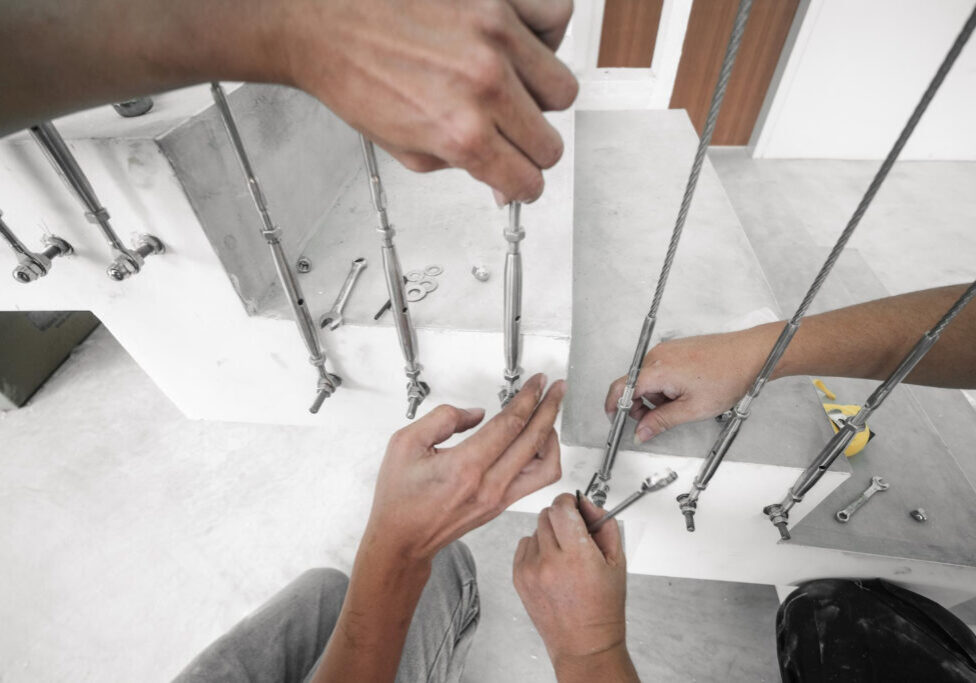
Handrails are crucial for safety, whether they are on staircases or balconies. They provide much-needed support for everyone, especially children and the elderly. But, like any part of a home, handrails can get wobbly or break over time, posing a safety risk.
A loose or broken handrail should never be ignored. Even minor damage can lead to serious accidents if not addressed promptly. Regular checks can help you spot early signs of trouble, such as loose screws or wobbly posts.
With a few tools and some safety gear, repairing handrails can be a straightforward task. You don’t need to be an expert to fix them; all it takes is a little patience and the right knowledge. Taking the time to learn these repairs will keep your home safe and secure for everyone who uses it.
Diagnosing Handrail Issues
Before diving into repairs, it’s crucial to identify what’s wrong with your handrail. Common issues include loose screws, wobbly posts, and cracked rails. Loose screws can cause the entire handrail to jiggle, which is not just annoying but dangerous. Wobbly posts may indicate a deeper problem with the base or brackets. Cracked rails may not support weight well, posing a risk of breakage.
To ensure your assessment is thorough, follow these steps. Start with a close visual inspection to spot obvious issues. Check if the handrail shifts or creaks when pressed, which often indicates loose parts. Using your hands, gently push and pull at various points to see if there are places where it feels insecure.
Safety first! Employ safe inspection techniques. Ensure that stairs or walkways are clear of obstacles before inspection. Use a flashlight for better visibility in low-light areas and a carpenter’s square to confirm that rails are aligned properly. It might seem like a hassle, but finding problems early prevents bigger issues later. By identifying these issues early, you can keep your home safe and pleasant for everyone who uses it.
Assembling the Right Tools and Materials
Having the right tools and materials is essential for a successful handrail repair. Here’s a handy list to guide you in preparing for the task ahead.
First, gather your tools. You’ll need a screwdriver for handling screws. A hammer might be necessary for removing damaged parts. For drilling holes or securing new screws, a drill is indispensable. These basic tools cover most minor repair jobs on handrails.
Next, assemble the necessary materials. Stock up on screws that match the existing ones in your handrail. Brackets can help reinforce weak points, so keep a few on hand. Wood filler is excellent for filling cracks. It’s also wise to have touch-up paint for aesthetics after repairs are complete.
Safety gear should not be overlooked. Always wear gloves to protect your hands while working. Safety glasses shield your eyes from potential debris. These small precautions can make a big difference in keeping you safe during the repair process.
Having these tools and materials ready ensures that when you start the repair, it goes smoothly. Being prepared means you can handle any issues that arise without unnecessary delays, keeping your handrail secure and looking great.
Step-By-Step Repair Instructions
To fix a loose or broken handrail, start by examining all the screws and brackets. If you find loose screws, use a screwdriver to tighten them. Make sure the screws are well-fitted and not stripped. If they don’t hold, replace them with longer or thicker ones that can provide a stronger grip.
Next, look at the connections between the rails and the posts. For weak or wobbly connections, try reinforcing them with brackets. Secure the brackets using a drill, ensuring they fit snugly against the rails and posts. For added security, consider applying wood glue to these joints, which can prevent future looseness.
If there are any cracks or breaks in the handrails, use wood filler to mend them. Apply the wood filler to the damaged areas and let it dry completely. Once dry, gently sand the surface until smooth. Finally, touch up with paint or stain to match the existing color of the handrail. This not only makes it look better but also adds a protective layer.
Preventive Measures for Handrail Durability
Keeping handrails in good shape requires regular attention. Start by inspecting them every few months. Look for signs of wear and tear, such as rust or rot, which can weaken the structure. Address these small issues immediately before they develop into bigger problems.
Regular cleaning helps maintain the integrity of the handrails. Wipe them down to remove dirt and moisture, which can cause corrosion or decay over time. Ensure the handrails are dry after cleaning, as moisture is a common enemy of wood and metal structures.
Advising family and guests about the correct use of handrails is also vital. Remind them not to lean too heavily or use the rails for purposes other than support. Knowing the weight limits and using them properly can greatly extend their lifespan and ensure they remain a safe support system.
Conclusion
Handrails are important features in homes, offering support and safety on stairs and balconies. When they get damaged, it’s crucial to fix them promptly to avoid potential accidents. With the right tools and knowledge, most handrail issues can be addressed quickly. Whether it’s tightening screws or filling cracks, these repairs keep your home safe and your handrails secure.
Engaging in regular maintenance will prevent frequent repairs and extend the life of your handrails. Staying vigilant and performing regular checks stops small issues from escalating. The peace of mind that comes from knowing your handrails are in great condition is invaluable.
Consider a home warranty plan to protect against unexpected repair costs. HomeMembership offers an easy way to manage your home needs, so you don’t have to worry about unexpected repair costs alone. Check out our brochure to learn more about our extensive benefits and see how we can support your home repair efforts.
Related Posts