Home Warranties for Older Homes: In-Depth Guide

A home warranty is a service contract that covers the repair or replacement of major home systems and appliances when they break down due to normal wear and tear. It is not insurance, but it is protection against the inevitable failures that come with age. In this guide, we will break down all you need to know about home warranties for older homes.
Older homes (typically 20 – 30+ years old, though many 50–100+ year-old properties are still in great shape structurally) are especially vulnerable. The systems were built with materials and standards that simply weren’t designed for today’s electrical loads, water pressure expectations, or efficiency demands. One breakdown often cascades into others, and repair costs can easily hit five figures in a single year.
This is where a home warranty for older homes becomes almost essential. The right plan turns catastrophic expenses into predictable, manageable ones, eliminates the hassle of finding reliable contractors, and gives you genuine peace of mind in a house that has “character” … and a lot of quirks.
According to recent housing data, the median age of owner-occupied homes in the U.S. is around 40 years. As homes age, the plumbing, electrical, HVAC and appliances that once worked smoothly start to wear out. Recent owners of older homes reported spending a median of about $4,100 on home improvement and upkeep over just two years, which doesn’t include every emergency repair.
Common Problems and Expenses in Older Homes
The problems in older homes are not “what if” problems, they are “when if” problems, which is exactly why many owners look at a home warranty for older homes.
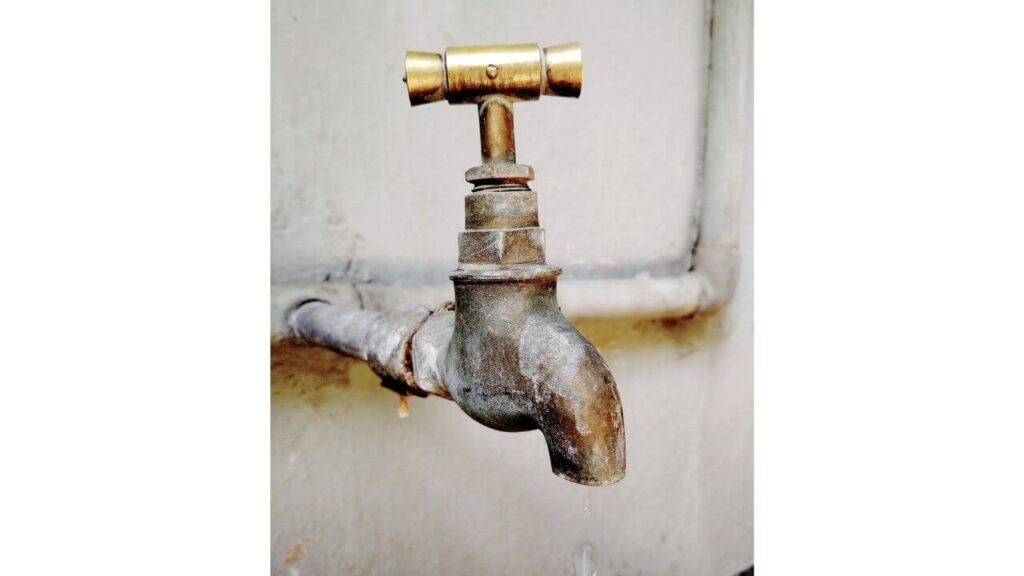
Aging plumbing systems
Galvanized steel, lead, or even polybutylene pipes corrode, clog, and leak. Repairs frequently require opening walls, and full repipes can run $8,000–$20,000+.
Old galvanized or cast-iron pipes: These materials corrode and collect mineral buildup over time, restricting water flow and weakening pipe walls. That raises the chance of leaks, low pressure, and sudden failures.
Higher risk of leaks, clogs, and water damage: Older plumbing lines can fail without much warning. Even a small, slow leak can lead to mold, damaged drywall, or warped flooring inside the home.
Water heaters past typical life expectancy: Many older homes still rely on water heaters that are 12–20+ years old. Tanks that are old are more prone to corrosion, burst failures, and rising energy costs because they run less efficiently.
Outdated electrical systems
Knob-and-tube, aluminum wiring, or 60–100 amp panels can’t handle modern appliances safely. Upgrading to 200-amp service + rewiring often exceeds $10,000–$25,000 and may require permits and drywall repair.
Electrical panels not designed for modern loads: Older panels weren’t built for today’s demand from HVAC systems, high-output appliances, home offices, and electronics. Overloaded panels can cause frequent breaker trips, overheating, or panel failures.
Knob-and-tube or aluminum wiring: These older wiring methods can loosen over time or run hotter under load. They may also create safety concerns that require significant upgrades before an electrician can safely complete repairs.
Safety concerns and required code upgrades: When an electrician works on an older system, they may be required to bring certain components up to current code. Those code-driven upgrades can add cost and complexity to even simple repairs.
Older HVAC and heating equipment
Old furnaces, boilers, and AC units are inefficient and increasingly expensive to repair as parts become obsolete. A new system can cost $7,000–$15,000+.
Furnaces, boilers, and AC units near end-of-life: HVAC systems in older homes are often running on borrowed time. Worn components and outdated technology lead to more frequent breakdowns and expensive repairs.
Efficiency loss over time: Older units typically use more energy and provide less consistent comfort. That can push homeowners into a cycle where the system is working harder, costing more, and still failing more often.
Higher repair frequency: As motors, compressors, and heat exchangers age, they are more likely to fail, especially during peak heating and cooling seasons when the system is under the most stress.
Older appliances and built-in systems
Original dishwashers, ovens, microwaves, and laundry units: Many older homes still rely on appliances that are 10–20+ years old, well beyond the typical lifespan of modern equipment.
Limited availability of parts for discontinued models: Manufacturers eventually stop making parts for older models. That can make simple repairs impossible and force a full replacement even for minor issues.
Higher likelihood of full replacement over repair: When parts can’t be sourced or a unit is too outdated to fix safely, homeowners face higher upfront costs. These are costs that a home warranty for plumbing systems may help offset.
Do Home Warranties Actually Cover Older Homes?
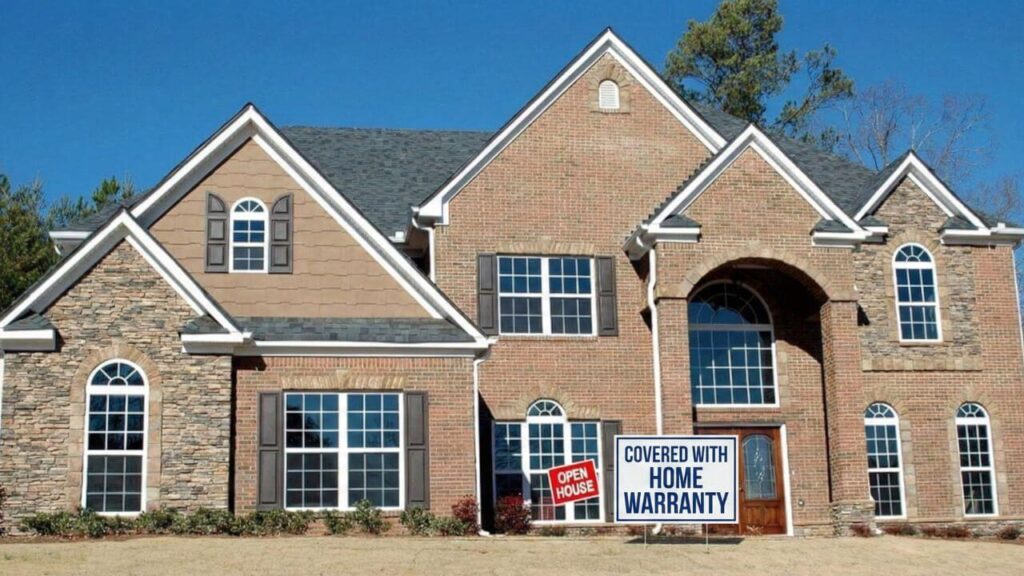
Yes, and the best ones have zero age restrictions.
HomeMembership, for example, explicitly states they have no age limits on homes or appliances. As long as the system or appliance is in proper working order when coverage begins (i.e., no known pre-existing conditions), you’re covered.
Unknown/undetectable pre-existing conditions (the kind you couldn’t have reasonably known about through visual inspection or normal operation) are covered by reputable providers, including HomeMembership. This is huge for older home owners because many issues in vintage properties are hidden until they finally fail.
The Key Benefits of a Home Warranty for Older Homes (Especially with HomeMembership)
- Massive Cost Savings
Instead of paying $5,000–$12,000 for a furnace or $8,000+ for a repipe, you pay only the service call fee/deductible.
HomeMembership’s deductible is extremely low compared to the industry standard ($75–$150+ with most competitors), which can change the math if you’re still asking is a home warranty is worth it.
- You Get to Choose Your Own Contractor- This Is Critical for Older Homes
Most big warranty companies force you to use their network technicians, who often have no experience with vintage systems and may take weeks to show up.
HomeMembership lets you call your trusted local expert who already knows knob-and-tube wiring, old cast-iron plumbing, or gravity furnaces. You get the repair done fast, submit the receipt, and HomeMembership reimburses you according to the coverage limits. No pre-approval hassle in most cases, just get it fixed and send the invoice.
- Simple, Fast Reimbursement Model
No arguing with a call center about who they’ll send. No waiting 1–4 weeks for an appointment. You control the timeline, which is invaluable when you have a leak or no heat in winter.
- Coverage for the Things That Actually Break in Older Homes
HomeMembership’s core plan includes robust limits on HVAC (up to $13,000+ combined), plumbing, electrical panels, water heaters, and major appliances. They also offer sensible add-ons for septic systems, well pumps, roof leaks, etc. — all things older properties frequently need.
- Prevents Small Problems from Becoming Disasters
When a repair only costs you the service fee, you fix it immediately instead of putting it off. That leaking toilet or noisy furnace gets addressed before it causes mold, water damage, or a total failure.
- Nationwide Coverage & Outstanding Reviews
HomeMembership works in virtually every state and consistently earns 4.7–4.9 stars on Google and an A+ BBB rating because they actually pay claims quickly and fairly.
Real-Life Scenarios: How Much You Actually Save
- 1954 home, furnace heat exchanger cracks → $6,500 replacement → With HomeMembership: you pay only the service fee. They cover parts + labor up to the generous limits.
- 1920s house with galvanized pipes starts leaking inside walls → $9,200 repipe → With HomeMembership: covered (as long as it wasn’t a known issue), you just pay the deductible and choose your plumber.
- 1970s electrical panel fails and needs upgrade → $4,500–$8,000 → Covered under electrical limits + labor.
These are not hypothetical. They’re the exact kinds of claims older-home owners file every year.

Key questions to ask before you sign
- Are there age limits or reduced coverage for older systems?
Some plans cap coverage or deny replacements once equipment passes a set age. Know those thresholds before you enroll.
- What are the payout caps per item and per year?
Older homes often have higher replacement costs, so make sure the caps are high enough to matter.
- Are inspections or documentation required?
Ask if you’ll need an inspection report, photos, or service records to show systems were working at the start of coverage.
Reading the fine print with older homes in mind
- How does the plan define “pre-existing conditions”?
Many providers treat anything visible, known, or detectable as pre-existing. That can heavily affect claims in older homes.
- What exclusions relate to installation or maintenance?
DIY fixes and outdated installs are common in older houses. If a problem is traced to either, it may be excluded.
- How does the company handle building code upgrades?
Repairs in older homes often trigger code updates. Most warranties exclude those costs, so clarify what you’d pay out of pocket.
Comparing provider models (traditional vs. HomeMembership)
Traditional model: limited contractors, less flexibility
Most companies require you to use their network techs, which can be risky if your home needs specialists in older or historic systems.
HomeMembership model: choose your own contractor
With HomeMembership, you can hire trusted local pros who know older plumbing, electrical, and HVAC, often leading to faster, more accurate repairs.
Transparency, clarity, and age-friendly coverage
Our plans are built around how older homes actually behave, with plain-language terms and coverage that reflects real-world wear—not just “perfect world” systems on paper.
How to Avoid Claim Denials on Older Systems
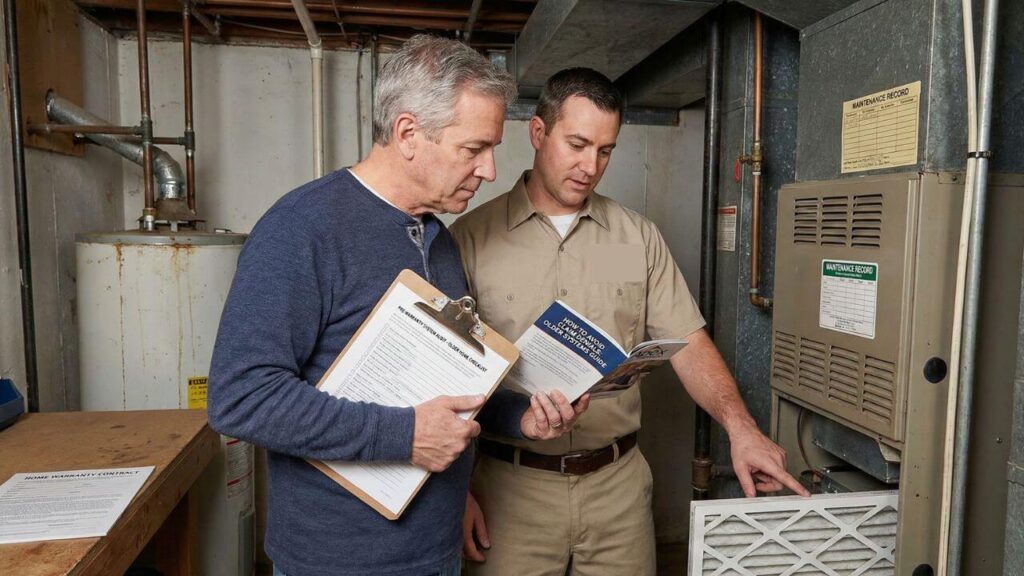
Get a thorough home inspection and keep records
- Save inspection reports, service invoices, and photos: Documentation showing that systems were operating at the start of coverage is one of the strongest tools you have if a claim is ever questioned. A good home inspection checklist helps make sure those problem spots are documented from day one.
- Use inspection findings to address borderline issues early: If the inspector notes active leaks, rusted tanks, or clear defects, fixing those issues before your warranty begins helps avoid pre-existing condition disputes.
Keep up with basic maintenance
- Annual HVAC tune-ups and seasonal servicing: Older heating and cooling systems are more likely to fail if they are not cleaned and serviced regularly. Written maintenance records show the system was properly cared for.
- Routine plumbing and electrical upkeep: Flushing the water heater, checking for slow leaks, cleaning dryer vents, and having periodic electrical safety checks can prevent failures and reduce the chance of a denial due to neglect.
- Keep receipts and technician notes
Proof of maintenance helps show that a failure came from normal wear and tear, not improper care, which many warranty plans exclude.
What to do when you discover a problem before buying a warranty
- Fix obvious issues before starting coverage: A home warranty will not cover a system that is already clearly malfunctioning. Address visible problems first so the system can qualify for coverage going forward.
- Document “working but aging” equipment: Many older systems are still working but show signs of wear. Photos or technician assessments can help demonstrate that they were operable when your plan began.
- Clarify borderline situations with the provider: If you are unsure whether something might be considered pre-existing, ask your provider before signing. This avoids misunderstandings when you eventually file a claim.
When Should You Get a Home Warranties for Older Homes?
Best time #1: At purchase (right after the inspection)
- Let the inspection report guide you, if it flags multiple aging or high-risk systems, start coverage immediately.
- Negotiate for the seller to pay for the first year (very common and often accepted). This gives you free protection during the most “surprise-prone” year.
- Hidden issues almost always reveal themselves in the first 12 months, a warranty turns potential $5k–$15k hits into just your service fee.
Best time #2: After you’ve owned it for years
- You can start coverage anytime, no need to wait for closing.
- Ideal trigger: early warning signs (strange noises, reduced efficiency, inconsistent performance, or repeated small repairs).
- Key: Enroll while everything is still working normally so pre-existing condition exclusions don’t apply. HomeMembership and most good providers only exclude known or obvious issues.
Best time #3: When renewing or switching as the house gets even older
- Review coverage every year, what was enough at 20 years old usually isn’t at 35–50+.
- If your current provider raises rates or tightens limits because of the home’s age, switch to a more flexible plan (HomeMembership never has home-age restrictions and keeps the same generous limits).
- Long-term owners who plan to stay put get the biggest value, consistent coverage smooths out the inevitable string of bigger failures.
Home Warranties, Emergency Funds, and Preventive Maintenance for Older Homes

Why a warranty doesn’t replace an emergency fund
- You’ll still pay the service fee for every claim (plus any upgrades, code compliance work, or items the warranty doesn’t cover).
- Older homes often have structural, roof, foundation, or major code-upgrade issues that almost no warranty touches.
- A modest emergency fund ($3k–$10k, depending on the home’s age and condition) covers the gaps so you’re never forced to max out credit cards when surprises hit.
Bottom line: A warranty dramatically lowers costs, but it’s not a magic shield. Smart owners keep some cash reserves anyway.
Build a proactive maintenance & replacement plan
- Schedule annual (or twice-yearly) tune-ups: HVAC, water heater flush, electrical safety check, plumbing inspection, chimney sweep, etc. Catching issues early is always cheaper.
- Budget for predictable big-ticket replacements instead of waiting for failure: – Water heater at 15–20 years – Dishwasher/washer/dryer at 15+ years – Roof at 25–30+ years Replacing on your schedule beats emergency pricing and weekend rates.
- Keep a simple maintenance log (dates + receipts). It proves you’ve taken care of the home and makes warranty claims smoother and harder to deny.
The strongest protection: Layer all three strategies
- Home warranty → handles the bulk of normal wear-and-tear breakdowns
- Emergency fund → covers exclusions, upgrades, and true emergencies
- Preventive maintenance → extends system life and reduces claims in the first place
When you combine a great warranty (like HomeMembership’s no-age-limit, choose-your-own-contractor plan) with a small emergency fund and consistent maintenance, you get the closest thing possible to bulletproof protection for an older home, without the stress or five-figure surprise bills.
Most long-term older-home owners who sleep well at night use exactly this three-layer approach.
Why HomeMembership Is the Best Warranty for Older-Home Owners
Zero fine-print nonsense- true transparency
- Plain-English contracts with crystal-clear limits. You know exactly what’s covered on your 1920s plumbing or 1970s electrical, no surprises, no “gotcha” exclusions that only apply to older systems.
- Built for real older homes with real wear and tear, not just cookie-cutter new construction.
You choose the contractor, and this is the game-changer for vintage properties
- Your trusted local pro who already knows your knob-and-tube wiring, cast-iron drains, gravity furnace, or slate roof gets the job.
- Process: Call whoever you want, get it fixed fast and correctly, submit the paid invoice → HomeMembership reimburses you promptly according to your plan limits. No pre-approval delays, no strangers in your house.
Local-first, relationship-driven model
- We deliberately support your community’s best tradespeople instead of replacing them with out-of-town network techs who’ve never seen a 1940s boiler.
A genuine long-term partner as your house keeps aging
- Coverage stays strong and consistent year after year. No sudden rate hikes or reduced limits just because your home turned 50. We’re designed for owners who love and plan to keep their older homes for decades.

Final Words
Older homes have soul, but they also have old wiring, old pipes, and old everything else. A traditional home warranty from one of the big network-only companies will frustrate you more than it helps.
HomeMembership was built differently: no home-age restrictions, no forced contractor network, no pre-approval runaround, low deductible, and fast reimbursement so you can use the local experts who actually know how to work on vintage properties.
If you own (or are buying) an older home, this is the plan that actually works the way you need it to.
Get covered today → visit homemembership.com plans and lock in protection before the next surprise breakdown hits. Your beautiful old house and your bank account will thank you.
Related Posts