
How Long Do Asphalt Roofs Last?

When you invest in a new roof, you want to know how long it will protect your home before another major expense rolls around. Asphalt roofing is the most popular roofing material in the United States because of its affordability, durability, and versatility. But the lifespan of a roof—especially an asphalt shingle roofing system—depends on a variety of factors, from the type of asphalt shingle to installation quality and weather conditions in your area.
This guide will walk through the lifespan of an asphalt shingle roof, what impacts it, and how to get the long run out of your investment.
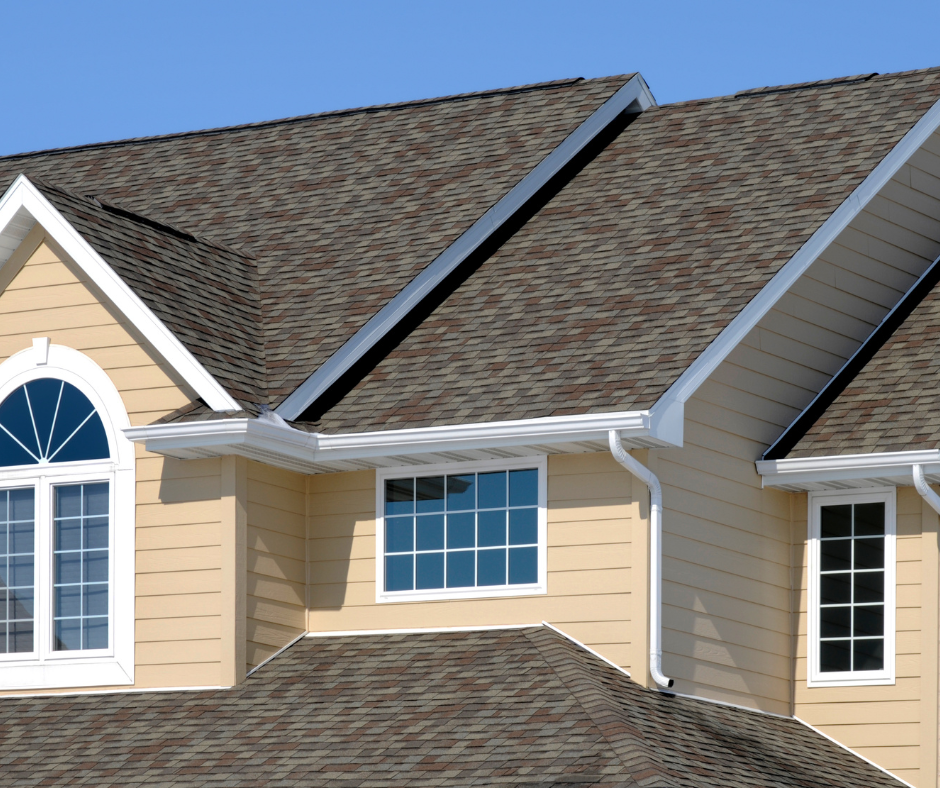
How Long Do Asphalt Roofs Last?
In general, the lifespan of your asphalt roof can range from 15 to 30 years, but this depends on the type of shingle:
- 3-tab shingles (also called three-tab shingles) typically last 15–20 years. These are budget-friendly but less resistant to high winds and storm damage.
- Architectural shingles (also called dimensional shingles) can last 20–30 years thanks to their thicker design and better wind resistance.
- Premium shingles can sometimes push closer to 40 years with proper ventilation and regular roof maintenance.
The lifespan of a roof is not a fixed number—it’s an important factor that varies with care, environment, and material quality.
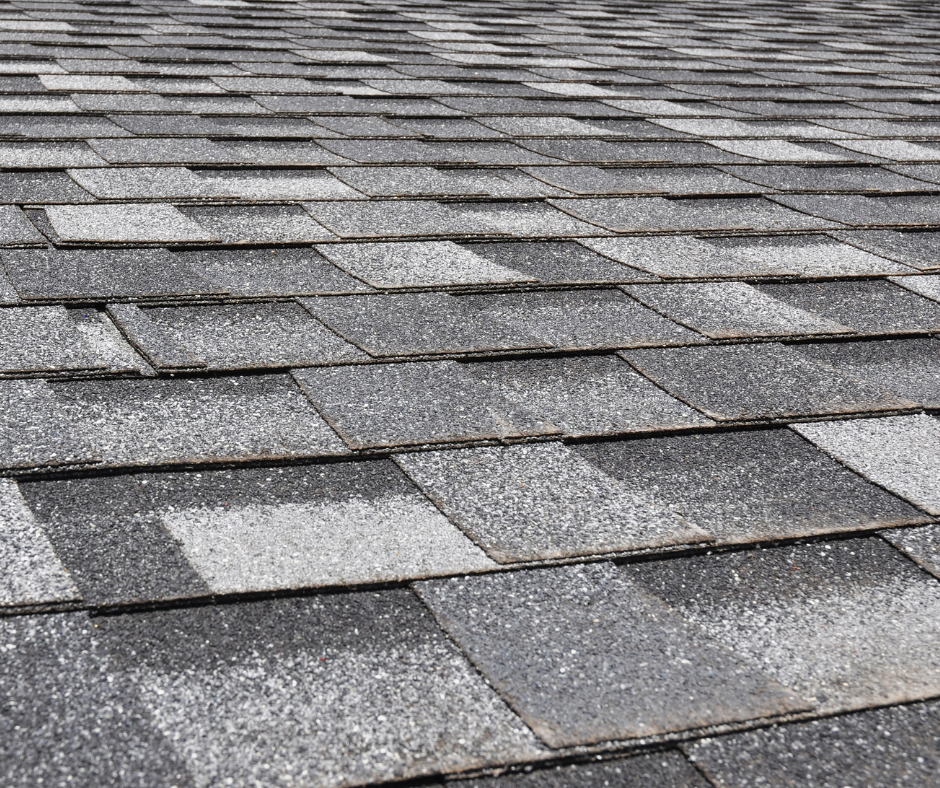
Key Factors That Affect the Your Asphalt Roof’s Lifespan
1. Type of Asphalt Shingle
The shingle type you choose will have a direct impact on the amount of time your roof lasts. While 3-tab shingle roofs are economical, architectural shingles offer a long-lasting roof that can handle strong winds and resist granule loss better over time.
2. Installation Quality
Even the best roofing materials will fail prematurely if installed poorly. A professional roofing contractor with years of experience ensures proper installation, which prevents future leaks and roof damage.
3. Weather Conditions
Extreme temperatures, direct sunlight, high winds, ice dams, and heavy rain can shorten your roof’s life expectancy. Homes in regions with UV rays exposure year-round often see granule loss sooner, while areas prone to snow may suffer from moss growth or trap moisture.
4. Ventilation
Proper attic ventilation keeps cold air moving in the winter and prevents hot air buildup in the summer. Without it, poor attic ventilation can cause mold growth, algae growth, and deterioration of the roof deck—all of which reduce the longevity of your roof.
5. Maintenance
A well-maintained roof can outlast the average lifespan of an asphalt shingle roof. Regular roof inspections, regular roof maintenance, and cleaning off debris like tree branches help keep your roof in good condition.

Signs Your Asphalt Roof Is Near the End of Its Life
Knowing when your asphalt roof’s lifespan is winding down can help you plan for a full roof replacement before major problems occur. Look for these telltale signs:
- Missing shingles after strong winds
- Granule loss in your gutters or around the home
- Water stains inside your attic or on your ceilings
- Moss growth or algae growth across the roof surface
- Roof damage from storm damage, tree branches, or high winds
- Poor ventilation signs, such as heat buildup in the attic or mold growth
- Sagging areas on the roof deck
If you see these issues, getting a free estimate from a local roofing contractor or professional roofer is the best way to decide whether roof repair or a roof replacement is needed.
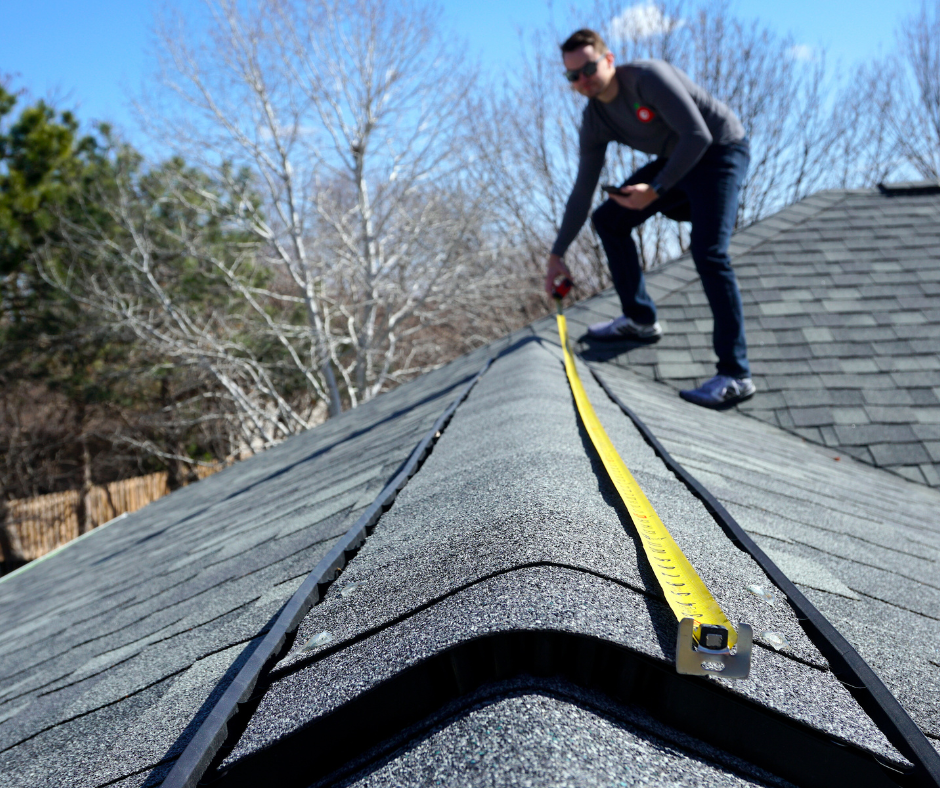
Extending the Life of Your Asphalt Roof
The life of your roof isn’t just determined at the time of installation. You also can control how long it lasts depending on your maintenance habits. Here’s how to give it the best chance:
1. Schedule Regular Roof Inspections
At least once a year, call in roofing experts to check for signs of damage, missing shingles, or poor installation issues.
2. Maintain Proper Ventilation
Keeping your attic well-ventilated helps prevent hot air buildup, reduces ice dams, and keeps moisture levels under control.
3. Clear Debris
Remove tree branches, leaves, and debris that can cause roof damage or trap water.
4. Address Roof Repairs Promptly
If storm damage, wind damage, or water damage occurs, address it quickly. Delaying repairs can lead to severe damage and shorten the lifespan of your asphalt roof.
5. Prevent Moss and Algae Growth
Use treatments recommended by a roofing company to prevent these issues from damaging your protective granules.
Comparing Asphalt Roofs to Other Roofing Materials
While asphalt roofing is affordable and the most popular roofing material, it doesn’t last as long as metal roofs, cedar shakes, or slate roofs.
- Metal roofing: 40–70 years with proper maintenance.
- Cedar shake roofs last 30–50 years but require more upkeep.
- Slate roofs: 75–100 years, but cost significantly more and require strong structural support.
- Flat roofs typically last 10–20 years, depending on the material used.
Still, for most homeowners, asphalt shingle roofing offers a balance of affordability, durability, and style.
When to Replace Your Asphalt Roof
If your existing roof is nearing the end of the lifespan of a roof and showing signs of damage, replacing it before leaks occur is the only solution to avoid water damage inside the home.
Some homeowners try roof repair on an older house, but if the lifespan of your asphalt roof is already exceeded, asphalt roof replacement is the smarter investment in the long run.
Working with a Professional Roofing Contractor
A professional roofer or local roofing contractor will help you choose the type of asphalt shingle that fits your budget, climate, and style preferences. They can assess your roofing system, check for poor ventilation, and recommend the right roofing materials for a long-lasting roof.
Be sure to:
- Request a free estimate
- Ask about installation quality guarantees
- Discuss regular maintenance plans
- Get details about insurance claim assistance if storm damage is involved
Final Thoughts
The lifespan of an asphalt shingle roof depends on more than just the type of asphalt shingles you choose—it’s a combination of installation quality, weather conditions, and how much care you give your roof over time. With proper installation, regular roof maintenance, and professional help when needed, you can enjoy a well-maintained roof that lasts for decades.
Whether you’re considering a new roof, deciding between 3-tab shingles or architectural shingles, or looking to extend the longevity of your roof, understanding the critical factors that influence your roof’s life expectancy will help you make the best choice for your home.
As always, if you aren’t a member of HomeMembership, join today to receive timely updates and enjoy the benefits we offer to make your home ownership journey easier.
Related Posts