
How to Fix a Whistling Toilet: A Simple Guide to Quieting the Noise

A whistling toilet can be annoying, but it’s often more than just an annoyance—it may be a warning sign of plumbing issues that need attention. You’re not alone if you’ve ever been startled by a high-pitched whistling sound in the middle of the night. Many homeowners report a soft whistle, high-pitched noise, or even a screech-level loud noise coming from their bathroom fixtures. The good news is that in most cases, fixing a whistling toilet sound is a relatively simple DIY task, especially if you have basic plumbing knowledge and the right tools.
Let’s explore the common issues behind a noisy toilet, how to identify the possible cause, and what steps you can take to resolve the problem before it leads to further damage or costly water bills.
First, Why Does a Toilet Whistle?
A toilet whistle typically occurs when the toilet tank refills after a flush. The high-pitched whistling noise is often caused by a restricted water flow, faulty parts, or high water pressure issues. In older toilets, the ballcock assembly or metal ballcock valve can become worn out, while in modern toilets, the problem may be with a defective fill valve or rubber gasket.

A toilet whistling sound is most often linked to the toilet fill valve, also called the refill valve, which controls the amount of water entering the toilet tank. When this valve or its components wear out, the flow of water becomes irregular, leading to annoying toilet noises.
Step-by-Step: How to Fix a Whistling Toilet
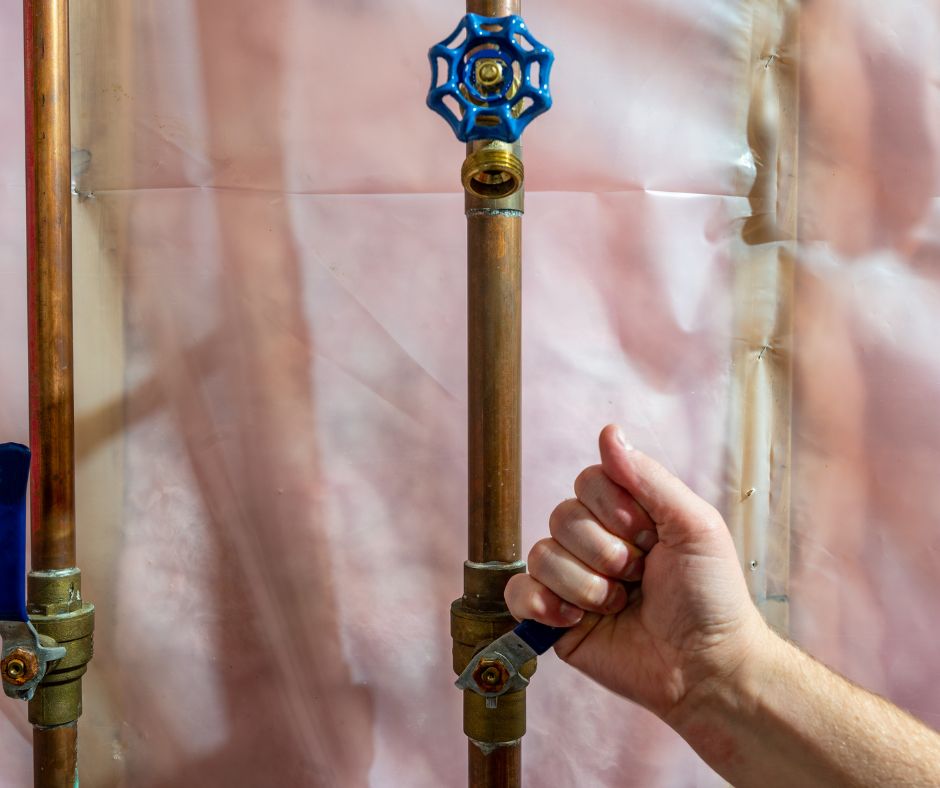
1. Shut Off the Water Supply
The first step in fixing a whistling toilet is to turn off the water supply valve located near the base of the toilet. This will stop the water flow and prevent an overflowing toilet or additional water leaks during repairs.
2. Drain the Toilet Tank
Flush the toilet to empty the tank. Use a damp rag to dry up any water at the bottom of the tank. This will make it easier to inspect the toilet’s internal components and remove any damaged parts.
3. Inspect the Fill Valve and Ballcock Assembly
Most toilet whistling is caused by a broken fill valve or worn-out parts in the ballcock assembly (in older toilets). Look for signs of wear , such as cracks in the plastic, rust on the metal, or deteriorating rubber washers.
If your toilet has a metal ballcock valve, it might be time to upgrade to a modern fill valve. These valves are quieter, more efficient, and easier to maintain. A new fill valve from a local hardware store is usually inexpensive and can dramatically improve toilet function.
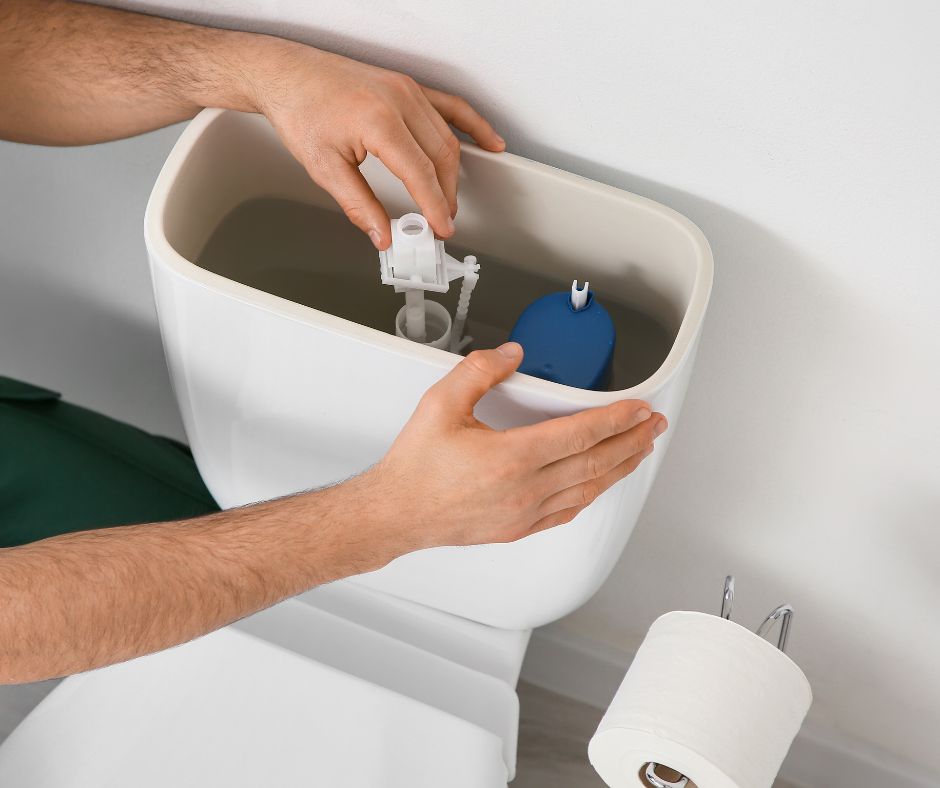
4. Remove and Replace the Old Fill Valve
Once you’ve identified the old valve as the culprit, remove it carefully. Disconnect the water supply line, unscrew the old fill valve, and pull it from the tank. If the rubber gasket or flapper valve looks damaged, replace those parts too.
Install the new valve, ensuring it’s positioned correctly and connected to the refill and overflow tubes. Tighten everything securely to avoid future water leaks.
5. Turn the Water Back On and Test
Turn the shut-off valve back on slowly, allowing the tank to refill. Listen closely—if the annoying whistling sounds are gone, congratulations! You’ve successfully solved the problem.
If the high-pitched sound persists, check the home’s water pressure.High water pressure can stress toilet parts and lead to further plumbing problems.
Bonus Tips for Preventing Future Whistling
Regular Maintenance
Regular maintenance on your plumbing system is a great way to prevent toilet issues before they start. This includes checking for mineral deposits, cleaning parts with white vinegar, and inspecting rubber washers and gaskets for wear.
Consider Water Pressure
If your area has consistently high water pressure, installing a pressure-reducing valve can help avoid damage to your toilet’s internal components and even lower utility bills.
Use Modern Parts
Older plastic valves and ballcock valves are more prone to failure. Upgrading to a modern fill valve improves performance and longevity while reducing the likelihood of toilet whistling.
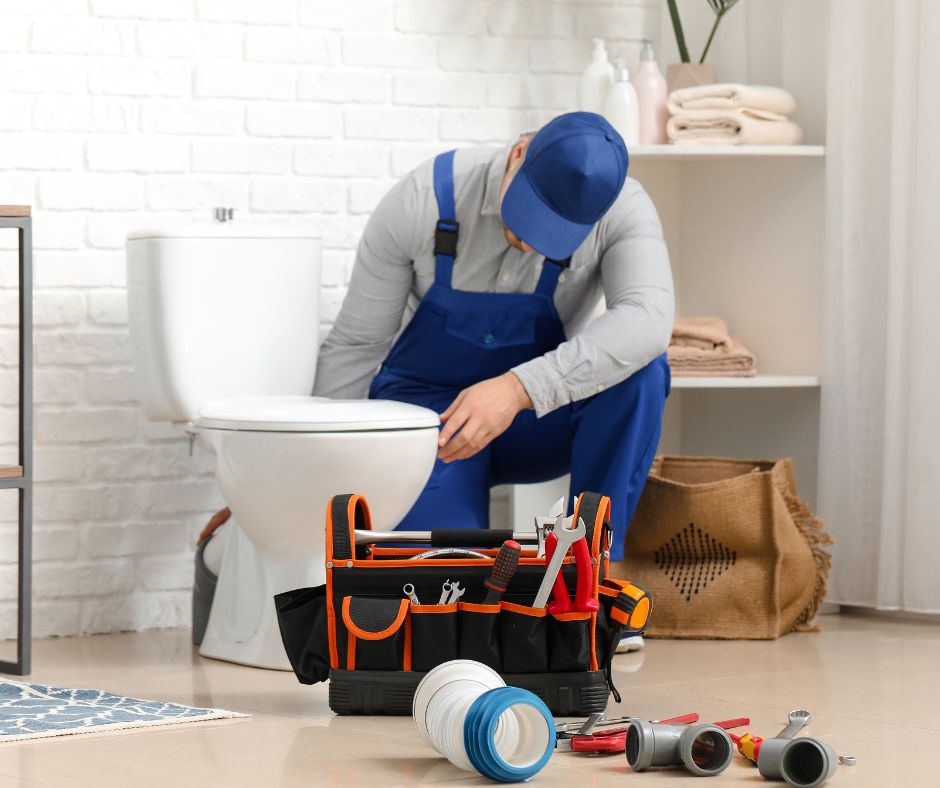
When to Call a Professional Plumber
While fixing a whistling toilet can often be a DIY task, there are situations where professional assistance is the safest route. If you’re unsure about how to work with toilet parts, notice consistent water damage, or have already replaced parts but still hear a high-pitched whistling sound, it’s wise to call a certified plumber or explore commercial plumbing services.
A professional plumber can not only diagnose deeper plumbing needs but also ensure everything is installed to code, helping you avoid further problems.
Final Thoughts
A whistling toilet may seem minor, but left untreated, it can lead to water leaks, increased water bills, and further damage to your plumbing system. Whether caused by a faulty fill valve, worn-out ballcock, or mineral deposits, fixing a noisy toilet is usually straightforward and inexpensive.
Replacing an old fill valve with a new one, checking the water level, and addressing high water pressure issues are practical steps supporting proper toilet function. The good news? With the right parts and a little time, you can enjoy a quiet, efficient toilet and say goodbye to that high-pitched whistling noise once and for all.
With a HomeMembership home warranty, plumbing problems are covered—no need to stress! You can call your own trusted plumber, and with a low $25 deductible, repairs are affordable and convenient. No service delays, no red tape—just fast, reliable help when you need it most.
Related Posts