Humid Climate Repairs for Indiana Homeowners

Living in Indiana means embracing all kinds of weather, from chilly winters to hot summers. But one thing that sticks around for much of the year is humidity. This constant moisture in the air can cause various issues in homes, making upkeep challenging. Understanding how Indiana’s humid climate impacts your house is a great way to keep it in top shape. A humid environment can lead to problems like mold and mildew, affecting not only the look but also the health and durability of your home.
Taking the time to recognize how humidity can impact your living space can save you a lot of hassle down the road. For instance, noticing signs of moisture problems early can prevent issues from becoming major repairs. The goal is to have peace of mind knowing your home is protected and comfortable, regardless of what the weather outside is doing. Let’s see what common humid climate issues are and how to deal with them effectively.
Common Humid Climate Issues in Indiana Homes
Indiana homeowners often face challenges like mold growth, wood warping, and paint peeling because of the high humidity. These problems might seem minor at first, but if left unchecked, they can turn into significant repairs. Mold is not just unsightly; it can influence indoor air quality, making it important to identify and address it quickly. Look for small patches in damp areas like bathrooms or basements where moisture tends to linger.
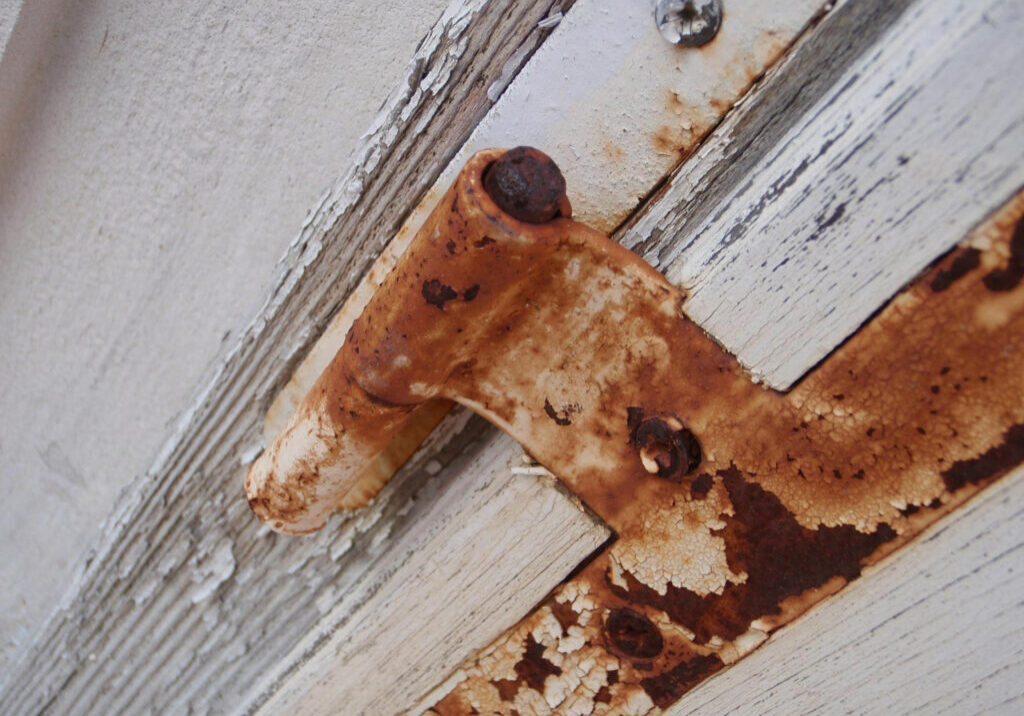
Humidity causes wooden parts of your home to expand and contract, leading to warping. You might notice floors creaking or doors not closing as smoothly as they should. Paint can also start to bubble or peel when moisture gets trapped beneath the surface. Keeping an eye out for these signs is the first step in maintaining your home’s integrity.
Here’s how you can monitor and identify these issues early:
- Look for Condensation: Check windows and glass doors for signs of condensation. It’s a good indicator of excess moisture in the house.
- Inspect Basements and Attics: These are common areas where mold likes to grow unnoticed.
- Check the Woodwork: Keep an eye on wooden floors, doors, and cabinets for any signs of warping or swelling.
Being proactive with regular checks will help you stay ahead of potential problems. It’s always best to catch these issues early before they require more extensive repairs. Up next, we’ll explore what repairs you should prioritize to protect your home from humidity damage.
Essential Home Repairs to Mitigate Humidity Damage
High humidity takes a toll on homes, manifesting in various repairs that can protect your space. Fixing leaks is a top priority since even small drips can exacerbate humidity problems, leading to water damage and mold. Make sure to check under sinks, around toilets, and even on ceilings for any potential leaks. Sealing these leaks promptly can prevent further harm.
Improving ventilation is another key effort. By increasing airflow, you reduce humidity’s impact indoors. Consider installing exhaust fans in bathrooms and kitchens, where steam and moisture are prevalent. You might also think about using humidity-resistant materials when making repairs. For instance, moisture-resistant drywall and paint specially designed for damp environments can make a difference.
Regular inspections are good practice. Routine check-ups can help spot issues before they escalate. Set reminders to look over your home periodically, addressing minor repairs as needed. Prioritize spaces like basements and attics, as these areas are more prone to humidity-related issues.
HVAC System Maintenance for Optimal Performance
In a humid climate, keeping your HVAC system running smoothly is a must. The system not only regulates temperature but also helps control indoor humidity levels. That’s why staying on top of maintenance tasks ensures it functions efficiently all year round.
Here’s a simple checklist to help you keep your HVAC in shape:
- Change air filters regularly to improve airflow and reduce strain on your system.
- Schedule routine maintenance from a professional to catch potential issues.
- Clean debris around the outdoor unit to optimize performance.
- Inspect ducts for any leaks, ensuring efficient operation.
Addressing these tasks can help your system better tackle humidity challenges. If issues arise during maintenance, addressing them quickly can prevent costlier fixes later.
Preventative Measures to Combat Humidity-Related Problems
Taking proactive steps can also aid in managing humidity-related concerns. One useful tactic is using dehumidifiers, which help draw excess moisture out of the air, making your home more comfortable. Installing a vapor barrier in your crawl space or basement can also reduce moisture infiltration.
Maintaining proper roof drainage means checking gutters to ensure water flows away from your home. Clear them of leaves and debris regularly. Landscaping can also play a role in moisture control. Ensure your yard slopes away from your home, and consider planting drought-resistant plants that don’t require excessive watering.
Maintaining a home in Indiana’s humid climate presents its own challenges, but with regular monitoring, timely repairs, and proactive prevention, your home can effectively withstand the effects of humidity. Paying attention to leaks, HVAC maintenance, and using humidity-resistant materials are all part of staying ahead.
By being vigilant and proactive, you protect your home, keeping it comfortable and secure throughout the seasons. For more information on addressing humidity issues and protecting your home, explore resources designed with homeowners like you in mind.
If you’re an Indiana homeowner looking to protect your space from humidity issues, consider exploring the value of a home warranty in Indiana. HomeMembership provides peace of mind with plans that help safeguard against unexpected repair costs, keeping your home comfortable and secure throughout the year.
Related Posts