Multi-Family Unit Home Warranties: Coverage for Duplex, Triplex, and Fourplex

Multi-Family Unit Home Warranties protect property owners who manage more than one living unit under a single roof. Owning a duplex, triplex, or fourplex changes how you handle maintenance, repairs, and responsibilities across separate dwellings. Whether you live on one side of a duplex, rent out a triplex, or manage a fourplex, a multi-family unit home warranty helps you protect each unit’s systems and appliances without turning every repair into a separate crisis.
Did you know that the U.S. delivered 608,000 multifamily units in 2024, the highest level since 1986 (Census analysis via NAHB).
Let’s explore how Multi-Family Unit Home Warranties work, what they cover, and how to find the right plan for your property type.
Why Multi-Unit Properties Need a Different Kind of Home Warranty
A single-family warranty covers one living space with one kitchen, one HVAC system, and one set of appliances.
In a duplex, triplex, or fourplex, those numbers multiply fast. Each unit may have its own water heater or heating system, or you might share a roof and main plumbing line.
That mix of shared and independent systems makes coverage more complex, and not every home warranty provider is set up for it. Some treat multi-unit buildings as separate homes under one roof, while others require an add-on or “investment property” classification.
HomeMembership Tip: Always tell your provider how many units you have and which systems are shared. It ensures claims are processed correctly and prevents denials later.
What Multi-Family Home Warranties Cover
Unit-Specific Systems and Appliances (Core Coverage)
For duplexes, triplexes, and fourplexes, HomeMembership treats each dwelling as a covered premise when it’s listed on the plan. Coverage focuses on items that serve only that unit and are properly installed and maintained.
Typical covered items by unit:
- HVAC serving a single unit (furnace/air handler, condenser, thermostat)
- In-unit electrical (service panel/subpanel for that unit, breakers, GFCIs, standard switches/outlets)
- In-unit plumbing (interior supply lines, drain lines, angle stops, shut-offs, standard fixtures; unit-level drain stoppages)e Here is Plumbing Coverage Explained.
- Water heater (if dedicated to the unit; tank or tankless)
- Kitchen appliances (range/oven, cooktop, dishwasher, built-in microwave)
- Laundry appliances (washer/dryer) when listed for that unit
- Refrigerator (primary unit fridge; secondary can be added)
HomeMembership plan notes
- List each unit on the policy; coverage and caps apply per unit.
- Items must be residential-grade and in working order at the start of coverage.
- Claims require model/serial numbers and reasonable access for the tech.
Shared Systems and Spaces (Read This Carefully)
Small multi-unit buildings often share components (e.g., one roof, one main electrical service, shared laundry). HomeMembership’s default stance is per-unit coverage first; shared/common-area items may require specific add-ons or may be excluded, depending on how the property is titled and how the equipment serves the units. Read the Ultimate Guide on how a home warranty works.
Before filing/quoting, confirm:
- Ownership & boundary: Is the shared area fully owned by you (fee-simple) and on your parcel, or governed by an HOA/CCR?
- Metering & service: Do systems/equipment serve only one unit or multiple units?
- Grade & use: Is the equipment residential-grade and used for normal residential loads?
How HomeMembership typically treats shared elements
- Shared roof/exterior: Not covered by default; limited roof-leak add-on may be available for fee-simple properties (see add-ons).
- Shared main electrical service or master panel: Usually not covered; unit-level subpanels/breakers often are.
- Shared laundry room: May be covered if it serves only your units and equipment is residential-grade; list appliances on the plan.
- Common water/sewer lines: Coverage typically applies within the unit boundary; exterior laterals/main lines are generally excluded unless a specific enhancement is available in your jurisdiction.
- Shared HVAC plant (one system feeding multiple units): Usually excluded under residential plans; may require commercial/service-contract path.
HomeMembership Tip: If a component feeds more than one unit, treat it as shared and ask about eligibility before you buy or file a claim. That avoids denials and helps you pick the right add-ons (or commercial path) up front.

Add-Ons and Optional Upgrades (Customize Per Building)
HomeMembership lets you tailor coverage for multi-unit realities with targeted add-ons. Availability can vary by state and property type.
Common add-ons we see multi-unit owners choose:
- Second refrigerator / standalone freezer (per unit)
- Washer/Dryer (if not already included)
- Limited roof-leak coverage (fee-simple properties; not for condo-style common roofs)
- Sewer/drain line enhancement (often inside the unit boundary; exterior laterals typically excluded)
- Gate/intercom or shared laundry equipment (when residential-grade and serving only your property)
- HVAC enhancements (e.g., limited ductwork, refrigerant handling allowances)
HomeMembership plan notes
- Add-ons are applied per unit or per equipment, matching them to what exists on-site.
- For shared-space equipment, clarify ownership, location, and who it serves.
- Add-ons don’t override exclusions like pre-existing conditions, improper installation, code upgrades, or access/finish work.
Quick At-a-Glance Matrix
| Item | Serves One Unit | Serves Multiple Units | HomeMembership Path |
|---|---|---|---|
| In-unit HVAC, plumbing, electrical, appliances | ✅ Typically covered | — | Core per-unit coverage |
| Shared laundry (your property only, residential-grade) | — | ⚠️ Sometimes | List as add-on; confirm eligibility |
| Shared roof/exterior | — | ❌ Usually excluded | Limited roof-leak add-on (fee-simple) if available |
| Master electrical service / common main | — | ❌ Usually excluded | Not covered under residential plans |
| Common water/sewer mains | — | ❌ Usually excluded | Unit-boundary enhancements only (where offered) |
| Central plant HVAC feeding multiple units | — | ❌ Usually excluded | Explore commercial/service-contract route |
Reminder: Coverage is for normal wear and tear. Tenant damage, code upgrades, permits, cosmetic/access/finish work, and pre-existing conditions are generally not covered. Service fees apply per dispatched trade.
Coverage Structure by Property Type
| Property Type | Typical Warranty Option | Coverage Notes |
| Duplex | Often treated as two units with per-unit fees | Must list both addresses or unit numbers |
| Triplex | May need a “multi-unit” or “investment” plan | Shared systems must be disclosed |
| Fourplex | Sometimes requires small commercial coverage | Caps may differ per unit |
How Coverage Caps and Premiums Work
Because you’re covering more than one living space, premiums scale by unit count. However, you’ll usually save compared to buying individual plans.
- Typical annual premium: $600–$1,200 per unit
- Service fee: $75–$150 per trade call (per visit, not per property)
- Per-item caps: $1,000–$3,000
- Aggregate caps: $10,000–$25,000 per year
Sample Math:
Three units × $700 each = $2,100 annual premium
Five service calls × $100 = $500 service fees
Total: $2,600 yearly to protect three full living spaces
What’s Not Covered
Multi-family home warranties focus on systems and appliances that fail due to normal wear and tear. They typically don’t include:
- Structural or foundation issues
- Roof, siding, or shared exterior (unless added on)
- Commercial-grade equipment
- Tenant damage or misuse
- Pre-existing conditions or improper installations

Choosing the Right Type of Warranty Provider
Owner-Occupied Duplex vs. Rental Property
Not all multi-unit properties are treated the same when it comes to coverage.
If you live in one unit and rent out the other, most providers classify your home as owner-occupied residential, meaning you can often use a standard home warranty plan with a small per-unit add-on. This setup keeps costs manageable while still protecting both halves of the duplex.
If all units are rented, the situation shifts. You’ll want a landlord or investment-property warranty designed for income-producing homes. These plans are built to handle multiple service calls, tenant scheduling, and high-usage systems. They often include features like:
- Allowing third-party authorization for property managers
- Handling tenant-caused wear and tear exclusions clearly
- Providing faster service response for occupied rentals
Choosing a provider familiar with rental scenarios ensures claims move smoothly even when you’re not on-site.
Working with Property Managers
If you use a property management company, a multi-unit home warranty can simplify their day-to-day operations.
Instead of tracking separate plans for each unit, your provider can link all covered dwellings under one master account. From there:
- Managers can file claims online and receive updates automatically
- They can schedule service visits directly with tenants
- You receive a single monthly or annual summary of completed repairs
This setup saves time, reduces confusion between tenants, and helps you maintain consistent repair standards across all your units.
HomeMembership Tip: Give your property manager limited authorization, enough to file and approve standard repairs, but require your approval for replacements or high-cost items. That balance keeps control in your hands while ensuring quick service.
Residential vs. Commercial Service Contracts
Some states draw the line between residential home warranties and commercial service contracts based on the number of units or how the property is used.
If your building has four units or more, or if it’s owned under an LLC or business entity, your warranty may be considered a commercial service contract. These plans typically:
- Have higher coverage caps
- Allow shared-system coverage (like a single HVAC serving all units)
- Require separate licensing or regulation by your state
Before you sign, check with your state’s regulator to confirm how multi-family warranties are classified and what consumer protections apply.
How to File a Claim for Multi-Unit Properties
- Open one claim per affected unit unless it’s a shared system (like a roof).
- Provide model and serial numbers for the affected item.
- Confirm tenant access so the technician can enter.
- Save all documentation — approval emails, photos, invoices.
HomeMembership Tip: Keep a digital folder for each unit that includes appliance lists, claim history, and serial-number photos. It speeds up approvals and renewals.
Common Pitfalls to Avoid
- Not disclosing that your property has multiple units
- Expecting shared systems to be automatically covered
- Forgetting that each claim visit may trigger its own service fee
- Trying to claim tenant damage as wear-and-tear
Transparency up front prevents claim delays and confusion later.
Cost-Benefit Snapshot
| Item | Typical Repair Cost | Covered by Warranty? | Typical Cap |
| HVAC per unit | $1,500–$4,000 | ✅ Yes | $2,500–$3,000 |
| Water heater | $800–$1,200 | ✅ Yes | $1,000 |
| Roof leak (shared) | $600–$2,000 | ⚠️ Optional add-on | Varies |
A well-structured warranty keeps repair costs predictable and helps landlords budget without emergency spikes.
Who Benefits Most from Multi-Unit Home Warranties
Multi-family home warranties aren’t just for large property investors — they’re an effective safeguard for anyone managing more than one dwelling under a single roof. The value grows with every system you maintain and every tenant who relies on you when something breaks.
Live-In Landlords
If you live in one unit and rent out the others, a warranty helps you protect both your home and your income stream. You get fast, affordable repairs without worrying about coordinating different service providers or paying emergency weekend rates. It also helps keep your tenants satisfied. When an appliance fails, you can file a claim and have a pro dispatched quickly, often within 24 – 48 hours.
New Investors
First-time investors managing a duplex or triplex remotely often find warranties invaluable. Instead of scrambling to find local repair pros in unfamiliar markets, the warranty company handles dispatching and billing. That means fewer late-night calls and no guessing about fair pricing. It’s a simple way to keep your investment running smoothly while you focus on growing your portfolio.
Owners of Older Buildings
If your multi-unit property is more than 10 or 15 years old, chances are several systems are approaching the end of their expected lifespan. HVAC compressors, water heaters, and dishwashers rarely fail on a schedule, but when they do, it can hit all your units in the same season. A home warranty cushions those costs, turning surprise breakdowns into predictable service fees and repair caps.
Small Property Managers
For managers overseeing a few properties under one owner, a multi-unit warranty streamlines maintenance. Instead of juggling multiple contractors, quotes, and invoices, you can centralize everything under one provider. The plan simplifies claim tracking, budgeting, and tenant communication, especially when you’re dealing with recurring maintenance issues like HVAC or plumbing.
HomeMembership Tip: When all your units are protected under one warranty plan, you gain consistency. Each tenant receives the same level of service, and you maintain control over repair quality across the board.
A multi-family unit home warranty turns unpredictable repair bills into manageable, scheduled costs, helping you plan your expenses, avoid downtime, and extend the life of every system you maintain, whether you’re living on-site or managing from afar.
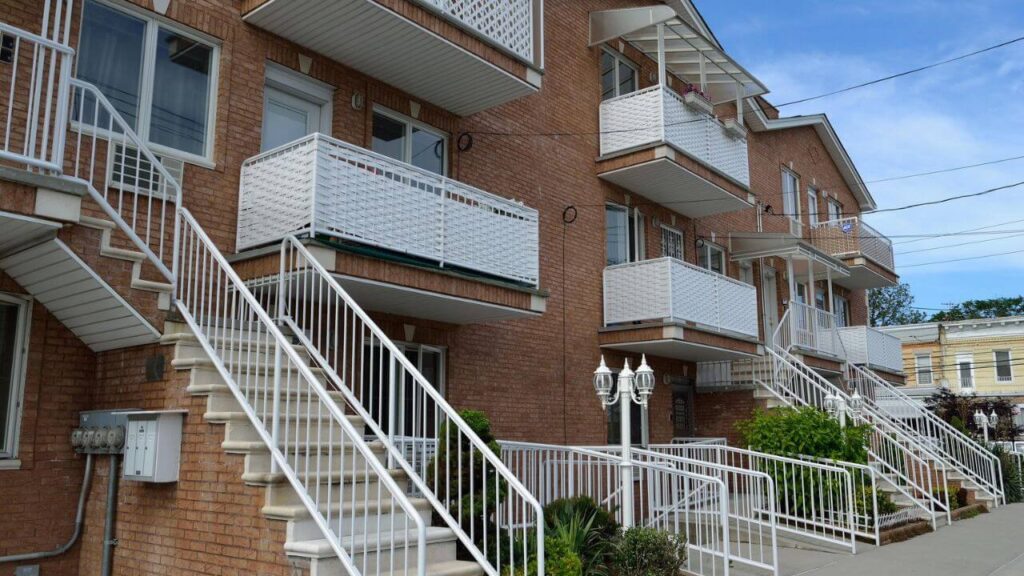
How to Compare Providers
When shopping for coverage:
- Confirm unit-based premiums and caps
- Check if shared systems are allowed
- Review reimbursement terms for out-of-network work
- Ask about response times and preferred contractors
For more guidance, see How to Choose the Best Home Warranty.
Conclusion
Multi-family unit home warranties bridge the gap between residential and investment protection. They keep essential systems running, simplify budgeting, and help landlords and owner-occupants manage multiple dwellings under one predictable plan.
Whether it’s a duplex, triplex, or fourplex, HomeMembership offers clear, per-unit coverage designed for real homeowners, not commercial landlords.
Related Posts