
Spring Lawn Seeding: A Comprehensive Guide for a Healthy Green Lawn

As the snow melts and the days grow longer, spring is the best time to focus on your lawn. Spring seeding is an essential practice for homeowners looking to establish a healthy lawn or rejuvenate an existing one. You might be filling in bare spots or creating a new lawn, but understanding the nuances of lawn seeding can lead to the best results and a vibrant outdoor space.
Understanding Grass Types
Before starting spring seeding, it’s vital to know the types of grass that thrive best in your area. Grasses are categorized into two main groups: cool-season grasses and warm-season grasses.
- Cool-Season Grasses: These grasses, including perennial ryegrass, Kentucky bluegrass, and tall fescue, flourish in the cooler temperatures of spring and fall. They are ideal for regions with cold winters and moderate summers.
- Warm-Season Grasses: These grasses thrive in warmer temperatures and are best seeded in late spring to early summer. They are suited for areas with hotter summers and milder winters.
Choosing the right grass type based on climate is crucial for successful seeding.

Ideal Conditions for Spring Seeding
The perfect time for seeding your lawn is typically in early spring when soil temperatures rise. For cool-season grasses, aim for soil temps between 50°F and 65°F, usually occurring around late March to early April in many regions. This timing allows for optimal seed germination before the summer heat kicks in.
It’s also essential to consider the weather. A spring rain can create ideal conditions for seed establishment, providing moisture to help new grass seeds establish a strong root system.
Preparing Your Lawn for Seeding
- Assess the Area: Identify thin areas or bare patches in your lawn. A soil test gives much-needed insights into the soil surface and helps determine nutrient needs.
- Remove Debris: Clear the area of dead grass, leaves, and other debris. This will promote better soil contact for the seeds.
- Aerate the Soil: A core aerator can improve soil temperatures and allow air and water to penetrate more easily. Aerating creates openings that are beneficial for seed germination.
- Prepare the Soil: If necessary, use a power rake to loosen the topsoil. For larger areas, consider using a slit seeder which makes small slits in the soil, creating an excellent environment for seed placement.
- Add Soil Amendments: If your soil is compacted or lacking nutrients, mix in peat moss and other organic matter like compost to improve the soil structure and fertility.
Seeding Your Lawn
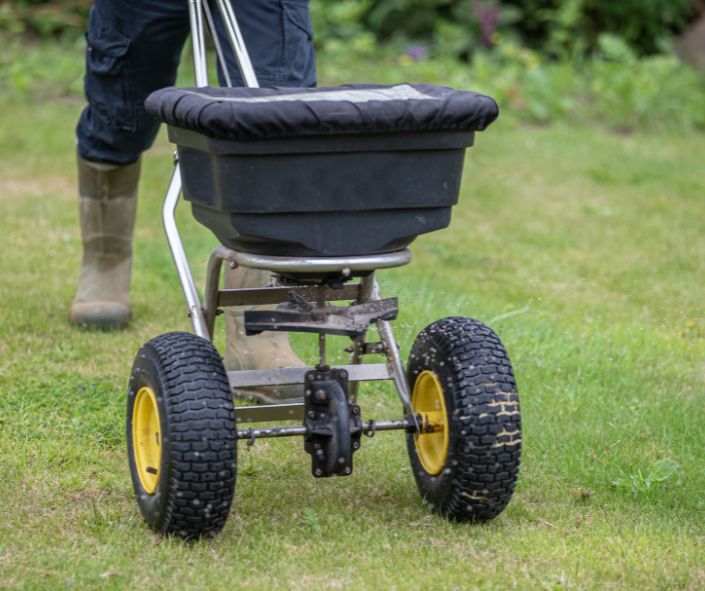
Once you’ve prepared the soil, it’s time to plant. Hand-seeding is an option for smaller areas, but a drop spreader or broadcast spreader will provide more even coverage for larger areas.
- Calculate the Amount of Seed: Not using much seed is essential. Generally, the recommended rate is around 5 to 10 pounds of turfgrass seed per 1,000 square feet, depending on the grass type. Be careful of over-seeding, though. This can lead to competition among seedlings, reducing their chances of survival.
- Seed Placement: Be sure to spread out the seeds evenly across the seeded area. Lightly rake the soil surface afterward to ensure soil contact, which is crucial for seed germination.
Post-Seeding Care
After seeding, your care will significantly impact your new seedlings’ success. Here’s what you should keep in mind:
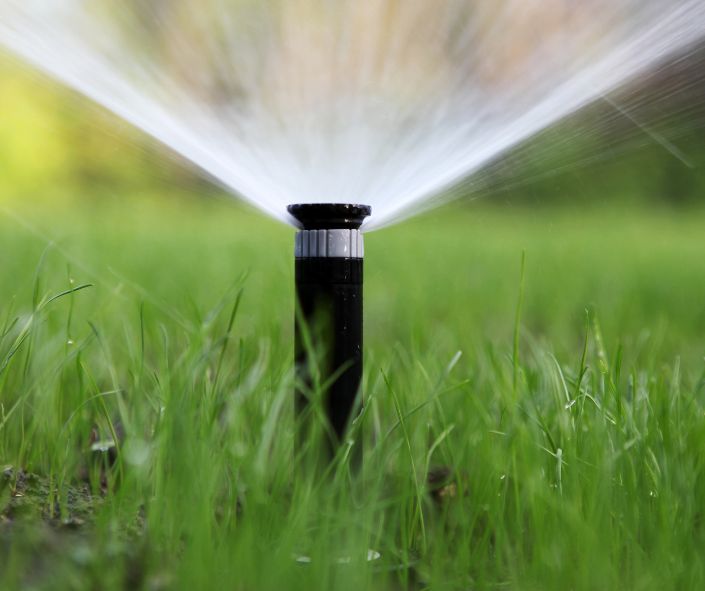
- Watering: Initially, you want to keep the soil moist consistently, but don’t make it soggy. The best way to do this is with light and frequent watering. This will help promote germination. As the grass grows, it transitions to deeper, less frequent watering to encourage strong roots.
- Weed Control: A good idea is to wait until the new grass is established before applying any pre-emergent herbicide. This will prevent the growth of weed seeds without harming your young grass plants. Be cautious with chemical treatments and always follow label directions.
- Fertilization: Once your grass reaches about 3 inches in height, consider applying a balanced fertilizer to promote healthy growth. Follow your soil test results for specific nutrient recommendations.

Troubleshooting Common Issues
You can run into issues even if you’ve prepared well. There’s no way around it. Here are some common problems and solutions:
- Uneven Growth: If some areas appear thin, it might be because of inadequate soil preparation or competition from grasses already there. If you’re seeing uneven growth, consider over-seeding the places where it’s not growing.
- Weed Growth: If you notice an influx of weeds, it could be due to dormant weed seeds germinating. Regular mowing and proper fertilization can help your new grass outcompete the weeds.
- Dead Grass: If areas of your lawn are still dead after seeding, it could indicate that the soil was not prepared adequately or that the wrong type of grass was chosen for the conditions.
Timing Your Seeding Efforts
While spring seeding is excellent, early fall is also a great time to seed for cool-season grasses. This allows for sufficient establishment before winter. Conversely, late summer is better suited for warm-season grasses.
Regardless of when you decide to seed, ensure plenty of time for the grass to establish itself before greeting the heat of summer or the cold of winter.
Conclusion
Spring lawn seeding is an excellent opportunity to transform your outdoor space into a beautiful green area. With the right grass type, preparation, and care, you can achieve a healthy lawn that enhances your home’s curb appeal and provides a perfect place for your family to enjoy their favorite outdoor activities.
Remember to monitor your lawn’s growth and adapt your lawn care programs as needed, and you’ll enjoy the benefits of your efforts throughout the seasons. Good luck with your lawn seeding efforts, and may you enjoy a vibrant green lawn for years to come!
About HomeMembership:
HomeMembership is a 5-star Google Rated and A+ BBB home warranty company. Learn more about how they can help you with unexpected home repairs. They have a low deductible, you pick your own provider and there’s no fine print. If it’s in the brochure – it’s covered! Click here to learn more!