
Tankless vs. Heat Pump Water Heaters: Which One is Right for You?

Choosing the right water heater for your home can feel overwhelming, especially with many water heaters available today. Two of the most energy-efficient options on the market are tankless water heaters and heat pump water heaters. Each has unique benefits, energy savings, and potential drawbacks that homeowners should consider before deciding. In this guide, we’ll break down the differences between these two water heating systems, covering their efficiency, installation costs, long-term value, and operational costs to help you make an informed decision.
Understanding Tankless Water Heaters
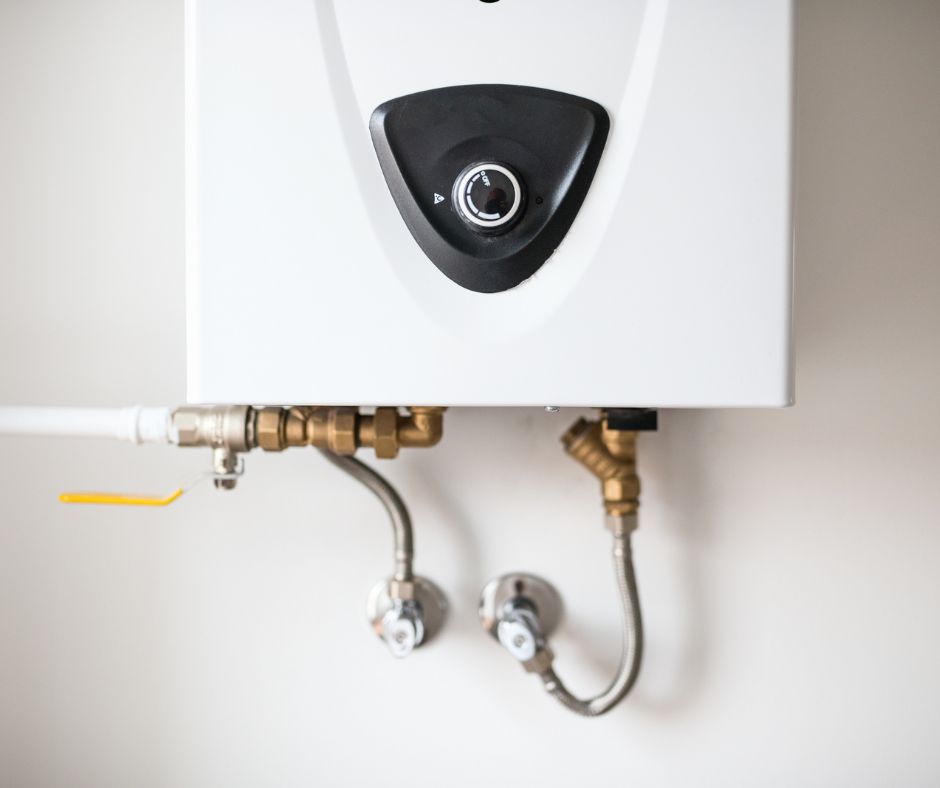
A tankless water heater, also known as an on-demand water heater, heats water only when needed, eliminating standby heat loss that occurs with traditional storage tank water heaters. Tankless water heaters provide an endless supply of hot water without storing it in a large tank.
Pros of Tankless Water Heaters
- Energy Efficiency – Since tankless models heat water only when needed, they use less energy than traditional water heaters.
- Endless Hot Water – A tankless system ensures a household’s hot water supply doesn’t run out, unlike storage tank models.
- Space-Saving Design – Tankless units are compact and take up less space, making them a good choice for homes with limited space.
- Longer Life Expectancy – Many tankless options can last up to 20 years or even more with proper maintenance. That’s a long time compared to 10–15 years for a traditional electric water heater.
- Lower Energy Bills – Homeowners can enjoy lower utility bills with reduced energy consumption.
- Gas or Electric Models – You can choose between an electric tankless water heater or a gas water heater, depending on your fuel type preference.
Cons of Tankless Water Heaters
- Higher Upfront Cost – The initial costs of purchasing and installing a tankless hot water heater are higher than conventional water heaters.
- Limited Flow Rate – Multiple hot water demands simultaneously (e.g., shower and dishwasher) may overwhelm some tankless systems.
- Gas Line Upgrades – If you choose a gas water heater, you may need a new gas line, adding to installation costs.
- Regular Maintenance – Tankless heaters require proper maintenance to prevent mineral buildup in the heat exchanger.
Understanding Heat Pump Water Heaters
A heat pump water heater, also known as an electric heat pump water heater or hybrid water heater, extracts heat from the surrounding air to heat water instead of generating heat directly, like electric resistance water heaters. This makes it one of the most energy-efficient options available.
Pros of Heat Pump Water Heaters
- Lower Energy Costs – These models use less energy, reducing energy bills significantly compared to traditional electric water heaters.
- Federal Tax Credit – Many hybrid heat pump water heater models qualify for tax credits, making them more affordable in the long run.
- Environmentally Friendly – With lower greenhouse gas emissions, these heaters help reduce your carbon footprint.
- Works Well in Warm Climates – Heat pump technology works best in warm climates, with more ambient air heat to pull from.
- Long-Term Cost Savings – While installation costs may be higher, long-term cost savings on energy make up for it.
Cons of Heat Pump Water Heaters
- Needs Warm Surroundings – These heaters rely on surrounding air, making them less effective in cold climates.
- Larger Size – Unlike tankless units, they require a large tank and available space for installation.
- Colder Climates Require Hybrid Models – A hybrid heat pump water heater combines a heat pump with electric resistance water heaters to work efficiently in colder climates.
- Higher Upfront Cost – Like tankless heaters, these units have a higher upfront cost but pay off over time with energy savings.
- Regular Air Filter Maintenance – They require proper maintenance, including cleaning the air filter, to maintain efficiency.
Key Factors to Consider Before Choosing
1. Climate and Efficiency
- Tankless water heaters work well in cold weather, but gas models may be better than electric ones in colder climates.
- Heat pump water heaters are more efficient in warmer climates, with plenty of ambient air to extract heat.
2. Energy Costs and Savings
- Tankless options save money by eliminating standby heat loss.
- Heat pump water heaters have the lowest energy consumption, offering the highest energy savings over time.
3. Household Size and Water Demand
- A tankless system works well for smaller households but may struggle with high hot water usage in large families.
- Hybrid water heaters are ideal for homes with high gallons of hot water demand, as they store hot water like standard water heaters.
4. Installation Costs and Space
- Tankless models require less space but may need a new gas line.
- Heat pump models require available space and function best in areas with ample surrounding air.
5. Environmental Impact
- Tankless heat pump water heaters reduce reliance on fossil fuels, making them a good choice for sustainability.
- Heat pump technology significantly reduces greenhouse gas emissions, making it one of the most eco-friendly types of water heaters.
Making the Best Choice for Your Home
Ultimately, the best water heater depends on your water heating needs, budget, and home conditions. If you want endless hot water and have limited space, a tankless hot water heater may be the right choice. If you are looking for energy efficiency and long-term savings, a hybrid heat pump water heater is an important consideration. Evaluate your power source, water temperature needs, and life expectancy of the unit before making your decision.
No matter which new water heater you choose, tankless heaters and heat pump water heaters offer high efficiency, long-term cost savings, and a reduced carbon footprint, making them both excellent popular choices over traditional storage tank water heaters. Choosing the right water heater now ensures a smarter investment next year and beyond.
Give yourself peace of mind when your home systems break with a HomeMembership home warranty. There is no fine print and you can pick your own provider – so you can get things fixed when it’s convenient for you!
Related Posts