The Best Summer Lawn Fertilizer for a Lush Green Lawn
Keeping your lawn healthy and lively during the summer months requires using the right summer lawn fertilizer. The heat of summer, increased high foot traffic, and potential brown spots can take a toll on your grass. The best lawn fertilizer will provide the essential nutrients your grass type needs while improving water retention and promoting deep roots. In this guide, we’ll help you find the best summer fertilizer based on your type of grass, climate, and lawn conditions.
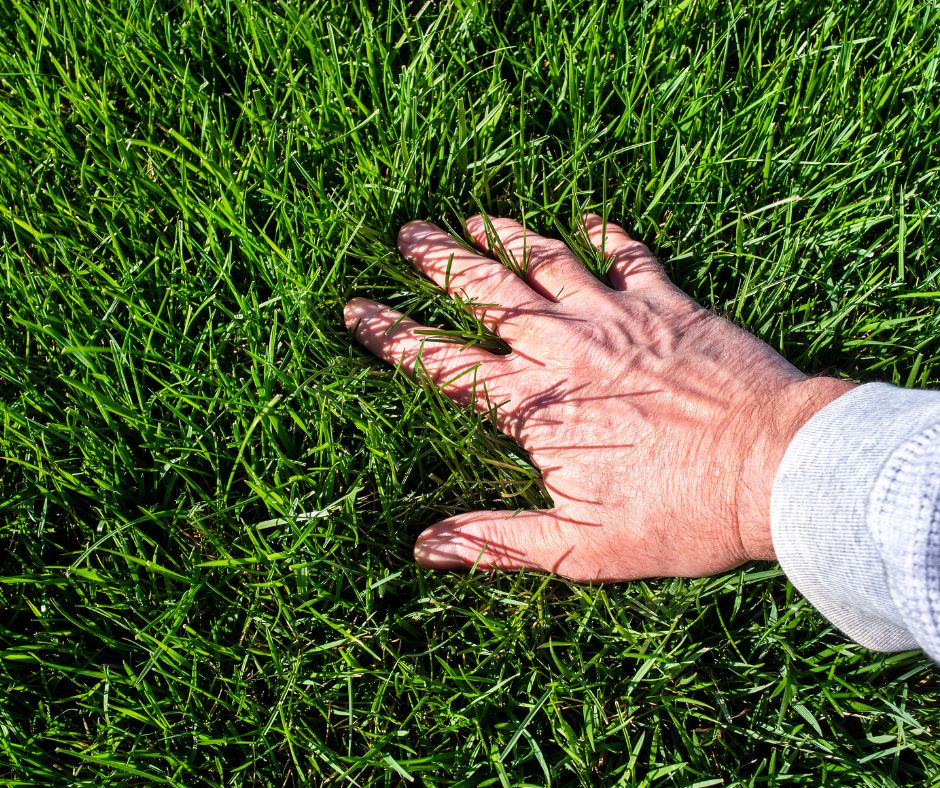
Understanding Your Grass Type
Before choosing the right fertilizer, you need to identify your grass type. Grass falls into two categories:
- Cool-season grasses: These include Kentucky bluegrass, tall fescue, and ryegrass, which thrive in cooler regions and the transition zone.
- Warm-season grasses: St. Augustine, Bermuda, and Zoysia best suit warmer climates.
Each type of grass has specific nutrient requirements, making it essential to choose the correct type of fertilizer for optimal growth.
The Best Time to Apply Summer Fertilizer
Timing is crucial when you’re trying to fertilize your lawn. If you want to know the best time to fertilize your lawn, you have to know your grass type:
- Cool-season lawns: These grasses benefit from fertilization in late spring or early summer, avoiding excessive growth during the summer heat.
- Warm-season grasses: The right time to fertilize is during peak growth in the summer months, ensuring a lush lawn and strong roots.
Avoid fertilizing in early spring, as this can lead to excessive top growth without root development. Similarly, applying fertilizer too late in the season—such as early fall—may not be as effective for summer health.

Choosing the Right Summer Lawn Fertilizer
Selecting the right lawn fertilizer depends on several factors, including grass type, soil condition, and climate. Here are the best ways to choose the right fertilizer:
- Conduct a Soil TestA soil test determines your lawn’s nutrient uptake needs, ensuring you choose a fertilizer with the appropriate N-P-K ratio. The first number represents nitrogen, the third number represents potassium, and phosphorus is the second number.
- Consider Slow-Release Fertilizers Slow-release fertilizers dispense nutrients over time. This reduces the risk of fertilizer burn and requires less water. Slow-release nitrogen fertilizers are a great option for long-term lawn health.
- Use Low-Nitrogen Fertilizers in SummerDuring the summer months, using low-nitrogen fertilizers prevents excessive top growth and promotes deep roots for drought tolerance. High-nitrogen fertilizers may encourage rapid growth but require frequent mowing and can weaken the lawn’s resistance to stress.
Types of Summer Lawn Fertilizers
There are several types of fertilizers available, each with unique benefits:
- Granular Fertilizers: These are applied using a spreader and allow for even coverage.
- Liquid Fertilizers: Quick absorption makes these ideal for a fast green look, though they require more frequent application.
- Organic Fertilizers: Organic lawn fertilizers improve soil health with organic matter and are an environmentally friendly good choice.
For those looking for a balanced approach, Southern Triple Action provides weed and insect control along with fertilization, offering great results.
How to Apply Summer Lawn Fertilizer
Knowing the best and correct way to apply fertilizer is just as important as choosing the best fertilizer. Follow these application method tips:
- Mow Your Lawn ProperlyKeep a tall grass height to improve water retention and prevent stress during the heat of summer. Ensure your mower blade is sharp to avoid tearing grass blades.
- Water Before and After ApplicationWatering before application helps with absorption, while post-application watering prevents nutrient runoff.
- Use Crabgrass Preventer if NeededIf crabgrass preventer was not applied in early spring, consider using it alongside your summer fertilization schedule.
Avoiding Common Lawn Care Mistakes
When fertilizing your lawn in the summer, avoid these common mistakes:
- Using Too Much Nitrogen: Applying much nitrogen can burn the lawn and increase water demand.
- Skipping Regular Maintenance: Consistent care, including mowing, watering, and aeration, is crucial.
- Ignoring Last Year’s Results: Assess what worked last year and adjust your fertilization strategy accordingly.
Where to Buy the Best Summer Lawn Fertilizer
You can find the best lawn fertilizer at your local store, online retailers, or specialized lawn care providers. Look for fertilizers with an optimal npk ratio and read the fertilizer bag for application instructions.
Choosing the right summer lawn fertilizer ensures a lush green lawn throughout the summer months. Whether you opt for organic fertilizers, slow release formulas, or granular fertilizers, selecting the best summer fertilizer for your type of grass is the best way to promote a healthy lawn. By following a proper fertilization schedule, maintaining strong roots, and using low-nitrogen fertilizers, you’ll enjoy a vibrant lawn all season long.
About HomeMembership
HomeMembership is the best home warranty available for homeowners. With a HomeMembership home warranty there is no fine print, a low deductible, and you can call your preferred service provider for the repairs. Learn more about how a home warranty can give you peace of mind.
Related Posts