
When To Aerate Your Lawn And Overseed

Want a thicker, greener lawn? Learn the best time to aerate and overseed for cool-season and warm-season grasses—plus expert tips for lasting results.
A lush, green lawn doesn’t just happen. It requires consistent care, the right timing, and knowledge of the best techniques for your specific grass type. If you’re dealing with bare patches, compacted soil, or thinning turf, understanding when to aerate your lawn and overseed can make all the difference.
Timing is everything. Whether you’re working with cool-season grasses like Kentucky bluegrass or warm-season grasses like Bermuda grass, aeration, and overseeding—when done at the best time—can promote healthy grass, stronger root growth, and better resistance to pests and weeds.
Why Aerate and Overseed?
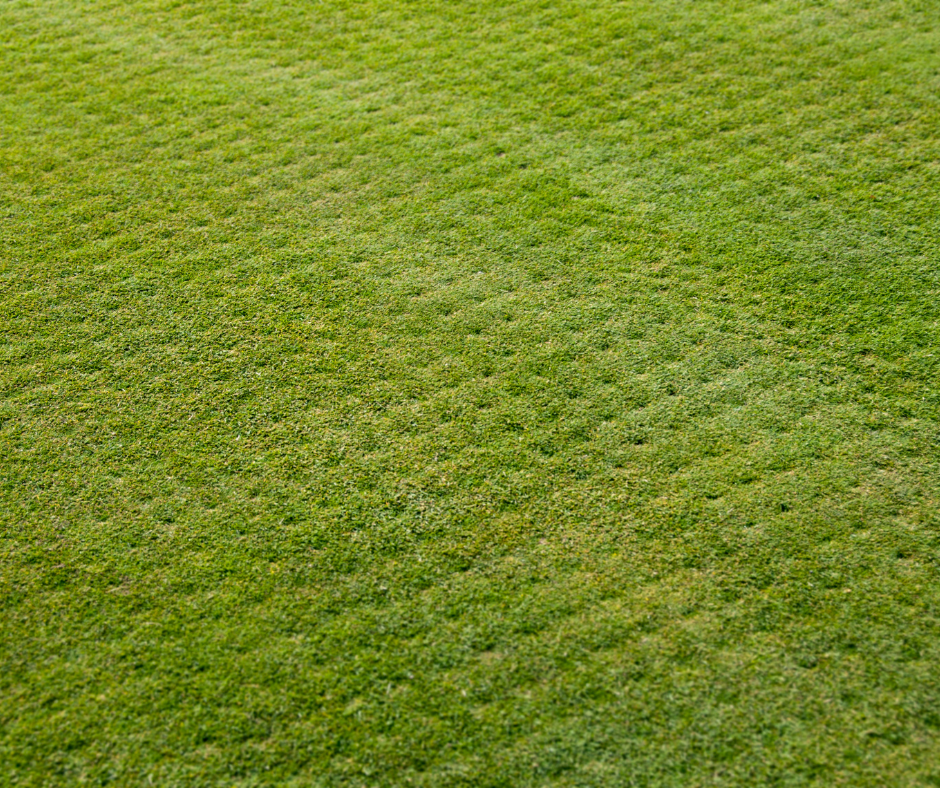
Over time, your lawn’s soil can become compacted due to heavy foot traffic, clay soils, or lack of regular care. This soil compaction limits root zone development and reduces the flow of essential nutrients, oxygen, and water. That’s where lawn aeration comes in.
Using an aerating tool such as a core aerator or spike aerator, small holes or soil plugs are created throughout the lawn. This loosens the soil, allowing better access to the root system, and prepares it to receive new seeds. Aeration also breaks up the thatch layer—a buildup of organic matter that can block new grass growth.
Following aeration with overseeding—spreading new grass seed across the lawn—boosts turf density, fills in bare spots, and enhances the lawn’s overall appearance. Combined, these steps are among the most effective ways to achieve a healthier lawn.

The Best Time to Aerate and Overseed
The ideal time to aerate and overseed depends on the type of grass in your yard. Grass generally falls into two categories: cool-season grasses and warm-season grasses. Each has a different growing cycle, which affects when you should perform lawn care treatments, such as aeration and overseeding.
For Cool-Season Grasses Common cool-season grasses include:
Kentucky bluegrass Fescue lawn varieties Perennial ryegrass These grasses grow most actively during the cooler temperatures of early fall and early spring. The best time for cool-season lawn aeration and overseeding is early fall, typically around late August to early October.

During this time:
Soil is still warm from summer, promoting good seed germination. Cooler temperatures help prevent stress caused by summer heat. There’s less competition from weeds, giving new grass seed the best chance to thrive. Fall aeration, followed by overseeding, allows the grass to develop strong roots before early winter sets in. It’s also a great time to combine this with weed control and lawn fertilization for better results.
For Warm-Season Grasses Popular warm-season grasses include:
Bermuda grass, Zoysia, and St. Augustine are types that thrive during late spring through early summer. Therefore, the ideal time to aerate and overseed is late spring to early summer, when soil temperatures are optimal for new growth.
Avoid aerating too early in early spring or too late in late fall, as warm-season lawns won’t benefit when they’re not in their active growth cycle.
The Aeration Process: What to Expect
Lawn aeration may sound technical, but it’s a straightforward process. Using a core aerator—preferred over spike aerators for most clay soils—you’ll remove small holes of soil to reduce compaction and improve soil contact for seeds.
Here are the simple steps:
Mow your lawn slightly lower than usual. Water the lawn a day or two before to soften the soil and make it easier to plant. Use a plug aerator or hollow tine aerator to remove soil plugs. Leave the soil plugs on the surface—they’ll decompose and enrich the lawn’s soil. Spread the right amount of seeds for your grass type. Apply a starter fertilizer to encourage healthy growth. Follow with proper watering—typically light, frequent watering to keep the soil in contact with moisture for good seed germination. Overseeding: Giving Your Lawn a Fresh Start
After aerating, overseeding is your opportunity to introduce high-quality grass seed, fill in bare patches, and promote a lush, green lawn. Select the best grass seed for your region and soil type, ensuring it complements your existing turf.
Pair overseeding with a regular watering schedule and a well-maintained lawn care routine for optimal results. Avoid mowing too soon; wait until the new growth is a few inches tall to avoid disturbing new grass seed roots.
Professional Help vs. DIY
While aeration and overseeding can be a relatively simple DIY task, hiring lawn care services can ensure you’re using the right equipment, applying the correct lawn care treatments, and selecting the best seed for your lawn’s specific soil type. Many companies offer overseeding services in conjunction with lawn aeration and can provide guidance tailored to your local climate, grass type, and time of year.
Professionals also have access to commercial-grade aerators that remove deeper soil plugs, which is especially beneficial for lawns with severe soil compaction or thick thatch layer.
Tips for Long-Term Lawn Health
To keep your lawn thriving after aerating and overseeding, remember these essential things:
Maintain a regular mowing and watering schedule. Avoid heavy traffic on the lawn during the early establishment period. Fertilize strategically based on soil type and grass type. Test your soil if you’re not seeing healthy growth—nutrient imbalances may need to be corrected.
Final Thoughts: The Right Time Makes All the Difference
No matter what kind of grass you’re trying to grow, knowing the right time to aerate your lawn and overseed will help you achieve a greener lawn and long-lasting results. Proper timing, preparation, and care give your lawn the best chance to recover from compacted soil, fill in bare spots, and develop stronger, healthier grass roots.
As a general rule, aim for early fall if you’re growing cool-season grasses and late spring to early summer for warm-season lawns. With the proper knowledge and a little effort, you’ll see better results, lower maintenance, and a healthier lawn year after year.
At HomeMembership, we understand that a healthy lawn takes work—and the right tools. That’s why our home warranty plans can be customized to include outdoor systems and equipment like pool pumps, and more. Whether you’re aerating, overseeding, or just keeping things green, we’ve got your back with clear coverage, fast service, and support you can count on—no fine print, no surprises.
Related Posts