Painting Shower Tiles: Pros and Cons Every Homeowner Should Know

When faced with dated or dingy shower tile, homeowners often feel torn between a full renovation or finding a simpler fix. If replacing old tile with new tile isn’t in your budget, you’ve probably wondered: Is painting shower tiles a good idea? Like many home improvement decisions, the short answer is: it depends.
Painting bathroom tiles—especially in the shower area—has gained popularity as a cost-effective way to refresh the look of your bathroom. But before you grab a paint brush and a paint tray, let’s break down the real pros and cons of painting ceramic tile, porcelain tile, and other tile surfaces in your shower.
The Pros of Painting Shower Tiles
1. Cost Savings Without a Full Renovation
One of the biggest advantages of painting shower walls, floor tiles, or wall tiles is the cost savings. Replacing tile involves demolition, prep, and installation—all of which come with hefty labor costs. Painting, on the other hand, allows you to update your tiled bathroom without gutting the space.
A can of high-quality epoxy paint or a tile paint kit can cost under $100, compared to thousands for a full renovation. If your bathroom floor tile or kitchen tile is structurally sound but simply outdated, painting is a good option to bring new life to the space.
2. Quick Visual Upgrade
With the right prep work and type of paint, you can achieve a modern look quickly. Choosing lighter paint colors can brighten the overall look of your bathroom, while bold colors create a stylish, custom appearance.
Plus, you can paint over grout lines, which can visually unify a space filled with mosaic tiles or quarry tile patterns. A fresh coat of paint gives a clean, fresh appearance without having to change out each tile.
3. A DIY-Friendly Project
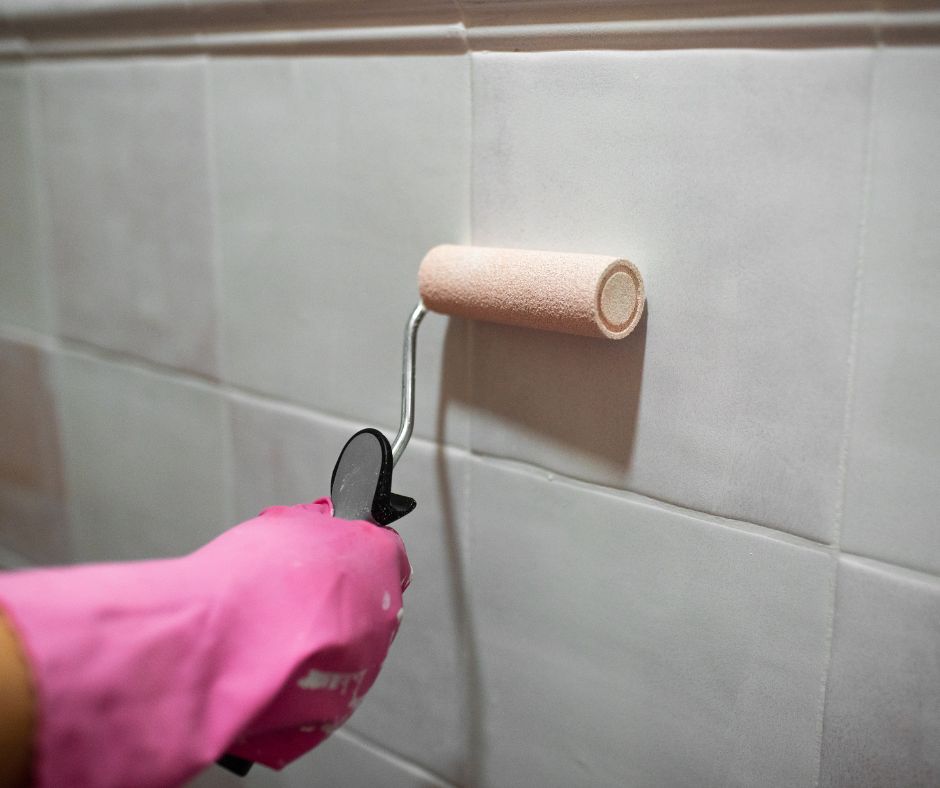
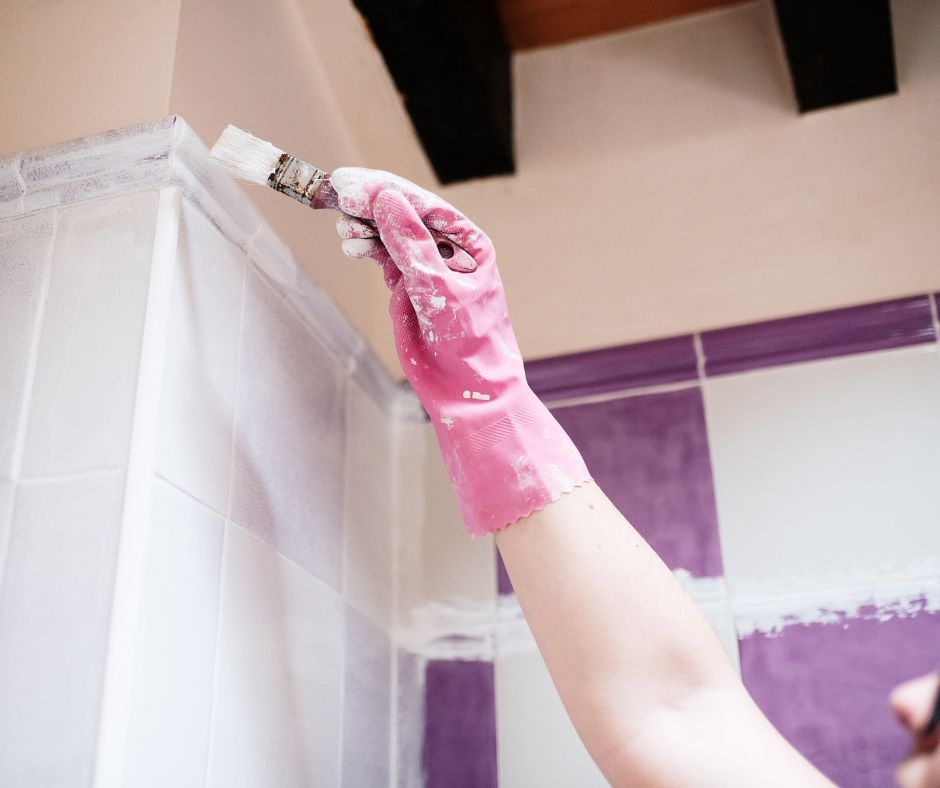
For those who enjoy a DIY project, painting tile is manageable, even if it’s your first time. With online tutorials and tile paint kits available at most hardware stores, homeowners can take control of their bathroom renovation on their schedule. Just make sure to use the right paint and allow proper drying times between the first coat, second coat, and top coat.
The Cons of Painting Shower Tiles
1. Durability in High-Moisture Areas
Here’s where things get tricky. While painting bathroom walls or tile floor in low-moisture areas can hold up well, the shower room is a different beast. Constant warm water, high temperatures, and exposure to harsh chemicals from soaps and cleaners put the paint to the test of time.
Even the best paint—such as two-part epoxy paint or multi-surface paint—can begin to chip, peel, or fade after extended exposure, especially if applied without proper preparation.
2. Not Suitable for Every Type of Tile
While ceramic tile and porcelain tile can often be painted successfully, other types—like natural stone tiles—don’t take to paint as easily. The smooth surface of some floor tiles can also make it hard for paint to adhere. And grout lines, while easier to blend visually, can still present challenges in high-use zones like the shower area.
It’s important to assess the type of tile and its condition before deciding whether painting is the right choice.
3. Shorter Lifespan Compared to Replacement
Even when you follow all the right steps and use high-quality epoxy paint, painted tile typically doesn’t last as long as new tile. Regular exposure to water can lead to bubbling, flaking, and discoloration over time.
This is especially true for high-traffic areas like the bathroom floor or shower. If you’re seeking a solution that offers long-term results with less ongoing maintenance, replacement might be the better option.
Important Considerations Before Painting
Prep Is Everything
If you skip the prep work, don’t expect best results. Before applying even the first coat, you’ll need to scrub tiles thoroughly, remove mildew and soap scum, and even sand the surface lightly to help paint adhere. Use a putty knife to repair any damaged grout lines or cracks.
Choose the Right Paint
Not all paints are created equal for tile. The best option for shower tile is usually a two-part epoxy paint or enamel paint specifically designed for tile. Avoid latex paint and water-based paint, as these won’t hold up to moisture.
A paint roller can help achieve a glossy finish, though you’ll likely still need a paintbrush to reach corners and wall tiles.
Expect Regular Maintenance
Painted tile can look great—at first. But keeping it that way requires touching up chips, avoiding harsh chemicals, and cleaning it regularly. If your household uses the shower frequently, be prepared for touch-ups every few months, especially around the shower walls and floor tiles.
When Is Painting Shower Tiles a Good Idea?
Painting might be the right water heater—oops, wrong keyword 😄—painting might be the right choice when:
- You need a cost-effective way to improve your bathroom design
- The existing tile is in good condition, just outdated
- You’re looking for a temporary fix before the next step, like a complete remodel
- You want to test out paint colors before committing to a complete renovation
In short, if your tile surface isn’t cracked or crumbling, and you’re willing to invest time into prep work and proper maintenance, painting can be an excellent choice.
When Is It Not the Best Option?
On the flip side, painting isn’t ideal when:
- You want a long-lasting finish that withstands daily, heavy use
- Your bathroom floors or shower walls have structural damage
- You’re dealing with natural stone tiles or high-moisture areas that paint won’t adhere to
- You want to increase the resale value of your home with permanent upgrades
If you’re already replacing a tile floor or updating your entire bathroom, investing in new tile may make more sense. While it requires more upfront cost, it’s likely to hold up longer and offer a better option in the long run.
Alternatives to Painting Tiles
Not sold on painting? You’re not alone. Some homeowners opt for:
- Tile stickers – a temporary way to update wall paint or tile design without the mess
- Bathroom surfaces panels – moisture-resistant and sleek-looking
- Overlay tile systems – less labor-intensive than tearing out old tile, but more durable than paint
Final Thoughts: Is Painting Shower Tile the Right Choice?
There’s no one-size-fits-all answer when it comes to painting shower tile. It’s a good idea for some homeowners and a bad idea for others. Be sure to evaluate your specific needs, the type of tile you have, and how long you need the finish to last.
For a home improvement project that offers immediate transformation on a budget, tile painting can be a great idea—as long as you’re realistic about its limitations.
Want a longer-lasting fix with fewer touch-ups? Replacing your tile or investing in professional resurfacing may offer best results in the long term.
Whichever route you take, understanding the pros and cons of painting tile will help you make the right choice for your space, your budget, and your home.
Protect Your Home Improvements with HomeMembership
If you’re making upgrades like painting tile or planning bigger renovations down the road, don’t forget to protect your investment. HomeMembership.com offers customizable home warranty plans that help cover the cost of repairs—without surprise fees. It’s peace of mind for homeowners who want reliable service without the fine print.
Related Posts