
Removing Stains From Granite Counter Tops

Struggling with stains on your granite countertops? Learn how to safely remove stains using simple household items—no harsh chemicals or pros needed.
Removing stains from granite countertops can feel impossible, especially when dealing with stubborn stains that seem baked into the surface. The good news is that with a little knowledge and a few household items, you can often restore the natural beauty of your granite surfaces without calling in a professional. Whether you’re facing oil-based stains, organic stains, or unsightly water rings, this guide will walk you through the best way to tackle each problem and keep your natural stone countertops looking pristine.
Understanding the Nature of Granite
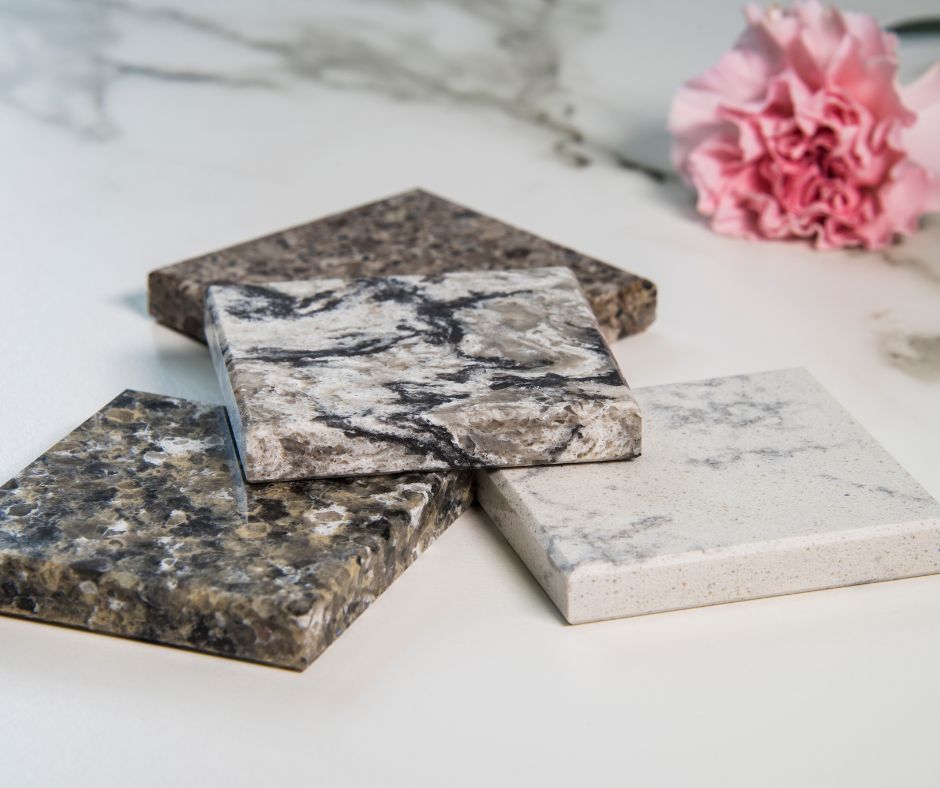
Granite is porous. This means that it can absorb liquids if not properly sealed. The pores of the stone allow substances like cooking oil, wine spills, or fruit juice to seep in, resulting in dark or discolored areas known as granite stains. Proper maintenance and prompt cleaning can prevent many of these issues, but even the most diligent homeowners might find themselves dealing with the occasional olive oil stain or mysterious dark stain.
Identifying the Type of Stain
Before treating the stained area, you must figure out the type of stain you face. Oil stains from peanut butter, butter, or cooking oil tend to darken the stone, while organic stains from fruit juice, wine spills, or coffee often leave a brownish or pinkish mark. Hard water stains and mineral deposits are common near sinks and leave a cloudy white residue. Identifying the culprit is very important so you can choose the best way to clean it.

General Cleaning: The First Step
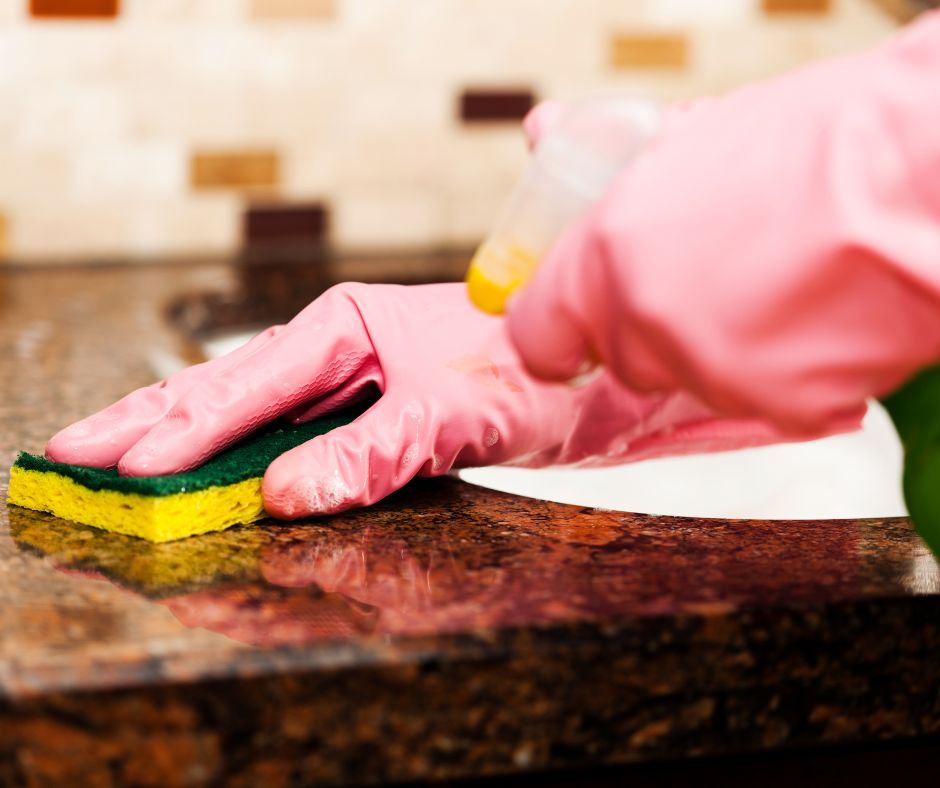
For everyday cleaning, use warm water, mild dish soap, and a soft cloth. Regular maintenance helps a lot to prevent stains from setting in. First, you want to rinse thoroughly with clean water to avoid leaving soapy residue behind. Wipe your granite countertops on a regular basis to keep them gleaming.
Tackling Oil-Based Stains
When battling oil-based stains, you’ll want to use hydrogen peroxide mixed with a bit of baking soda paste. Apply the paste to the stain, cover it with plastic wrap, and leave it to sit until the morning. This paste will draw the oil out of the pores of the stone, lightening the stain significantly. In the morning, remove the dry paste with a paper towel and rinse with clean water.
Removing Organic Stains
Hydrogen peroxide works wonders for organic stains. Soak a soft cloth or paper towel in hydrogen peroxide, place it over the stain, and cover it with plastic wrap. Let it sit for a few hours or overnight, then rinse and repeat if necessary. This method also works well for wine spills and fruit juice.
Dealing with Hard Water Stains and Mineral Deposits
To remove hard water stains and mineral deposits, try using a mixture of baking soda paste and warm water. Apply it gently with a soft cloth, scrubbing lightly. Avoid harsh chemicals, as they can damage the sealant on your granite surfaces.
Handling Grease Stains
Grease stains from cooking accidents are common in kitchen countertops. A baking soda paste works well here, too. Spread it generously over the stain, cover it with plastic wrap, and let it sit overnight. The next day, remove the paste with a soft cloth and rinse the area with clean water.
What About Nail Polish Remover and Lemon Juice?
Some suggest using nail polish remover or lemon juice, but these can be risky. While nail polish remover containing acetone might lift certain stains, it can also damage your sealant. Similarly, lemon juice is acidic and may etch the surface. Always test in an inconspicuous spot before using.
Important Precautions for Proper Care
To maintain granite countertops, always wipe up spills immediately, especially if they’re acidic or oily. You also need to avoid using bleach or abrasive cleaners that can scratch the surface. Instead, use a granite cleaner that has been specifically designed for natural stone countertops to ensure proper care.
Polishing for Best Results
After stain removal, polishing your counters can restore their shine. Use a granite-safe polish and buff gently with a soft cloth. This extra step enhances the natural beauty of your granite surfaces.

Preventing Future Granite Stains
Prevention is always the best way to avoid dealing with granite stains. Seal your granite countertops on a regular basis to reduce porous material absorption. Place coasters under glasses to prevent water rings, and use cutting boards to avoid food spills.
Dealing with stains on granite surfaces can seem daunting, but using the right techniques and household items can make a big difference. You may be tackling an olive oil stain, grease stain, or hard water stain, but if you understand the types of stains and the correct method of removal, you will be on your way to restoring your kitchen countertops to their original beauty.
Remember, patience is key. Some stubborn stains may require multiple treatments, but with persistence, you can enjoy your new countertops for years to come. And always, when in doubt, consult a professional for deep cleaning to protect your investment.
By following these simple steps and committing to proper care, your granite countertops will remain a highlight of your home, free from unsightly stains and full of lasting charm.
Please make sure you do your research and test areas before using new cleaners on your countertops.
Protect Your Home with Confidence With A HomeMembership Warranty
When it comes to protecting your home investments – a solid home warranty can make all the difference. HomeMembership.com stands out with clear, no-fine-print coverage: if it’s in the brochure, it’s covered. You’re free to choose your own trusted repair provider (no more waiting weeks for a technician you didn’t pick), and their deductible is the lowest you’ll find in the industry. It’s smart coverage, built for real homeowners.
Related Posts