
How to Insulate Your Home for Winter
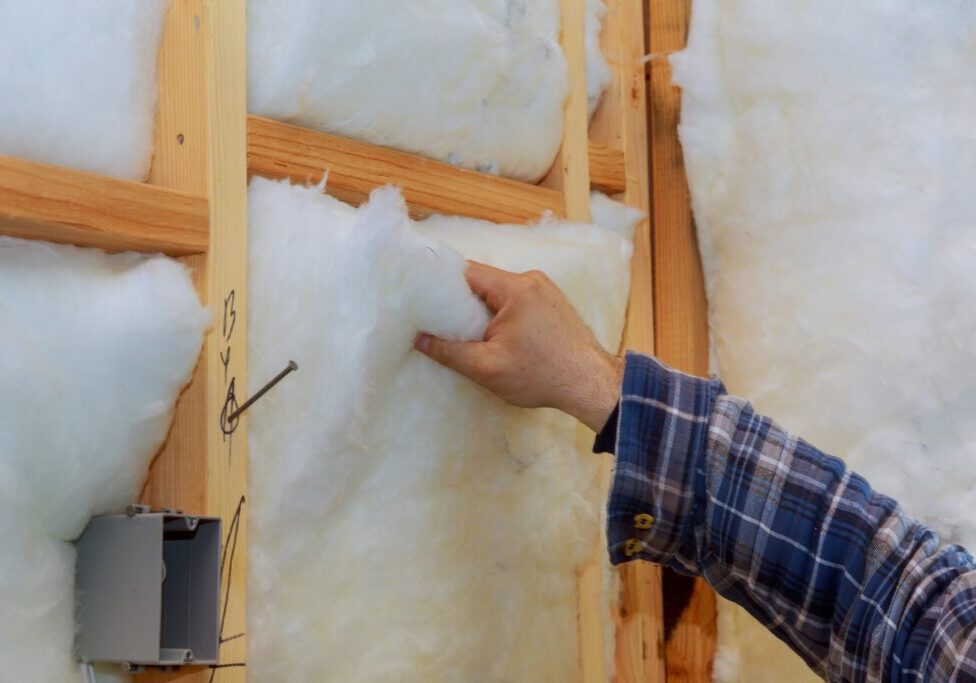
Insulate Your Home for Winter by properly insulating it is a smart and practical investment. It makes a significant difference during the cold months.
As winter approaches, keeping our homes warm and energy-efficient becomes a top priority. Proper insulation is key to making sure that our homes stay cozy without running up high heating bills. By focusing on a few simple steps, we can make our homes more comfortable and reduce energy costs during the cold months.
One of the most effective ways to prepare for winter is by sealing drafts and gaps around the house. Drafts can let cold air in and warm air out, making our heating systems work harder. Fixing these small issues can have a big impact on our home’s warmth and energy efficiency.
Another important area to focus on is insulating windows and doors. These are common places where heat can escape from our homes. Updating the insulation around these areas can make a big difference in maintaining a consistent indoor temperature. Additionally, paying attention to attic and wall insulation can further enhance our home’s ability to retain heat.
By taking proactive steps, we can ensure our homes are ready for the winter season. Proper insulation keeps us warm and saves money, making it a worthwhile investment. Let’s explore some practical tips to help us insulate our homes effectively for the winter.
Sealing Drafts and Gaps
One of the easiest and most effective ways to insulate our home for winter is by sealing drafts and gaps. Drafts can enter through tiny openings around windows, doors, and other areas, causing heat loss and making our home colder. To address this, we can start by checking for drafts. Running our hands along window and door frames, electrical outlets, and baseboards can help us feel if cold air is coming in.
Once we identify the problem areas, we can seal them using weatherstripping and caulk. Weatherstripping is ideal for sealing gaps around doors and windows. It’s easy to install and helps keep cold air from entering the home. For smaller cracks and gaps, caulk can be used to create a tight seal. Applying caulk to areas where walls meet windows and door frames can prevent drafts and improve insulation.
Don’t forget to check less obvious places, such as around pipes, vents, and electrical outlets. Insulating foam sealant can be used to fill larger gaps around these areas. This helps create a barrier against cold air and improves our home’s overall energy efficiency. By sealing these drafts and gaps, we can make our home warmer and reduce heating costs during the winter.
Insulating Windows and Doors
Windows and doors are common spots where heat can escape our homes. Properly insulating these areas ensures that our home stays warm and energy-efficient. One simple way to insulate windows is by using thermal curtains. These heavy curtains help trap heat inside and keep the cold air out. Closing them at night or on particularly cold days can make a noticeable difference.
Window insulation kits offer another effective solution. These kits usually include plastic film that can be applied to window panes using double-sided tape. Once applied, we can use a hairdryer to shrink the film, creating a tight seal that reduces drafts. This clear film allows sunlight to enter while providing an extra layer of insulation.
For doors, installing or replacing weatherstripping along the edges can prevent drafts. Door sweeps are also helpful for sealing the gap at the bottom of the door. They are easy to install and block cold air from entering. Additionally, using draft stoppers, which are long fabric tubes filled with insulation, can be an effective way to cover gaps at the base of doors and windows.
By focusing on insulating our windows and doors, we can significantly improve our home’s ability to retain heat. This makes our living space more comfortable and helps lower energy bills throughout the winter season.
Upgrading Attic Insulation
Our attic plays a crucial role in regulating our home’s temperature. Without proper insulation, heat can easily escape through the roof, making our home colder and causing our heating system to work harder. Upgrading the insulation in our attic can help keep our home warm during winter and reduce energy bills.
Begin by inspecting the current insulation. If it’s compressed, damp, or missing in some areas, it’s time for an upgrade. Adding a fresh layer of insulation over the existing one can quickly improve the situation. There are different types of insulation to choose from, such as fiberglass batts, loose-fill cellulose, or spray foam. Fiberglass batts are easy to install and widely available, while loose-fill cellulose can fill in around beams and other obstacles. Spray foam offers a tight seal but can be more expensive and may require professional installation.
Ensure that the attic is ventilated properly. Good ventilation helps to prevent moisture buildup, which can damage the insulation and reduce its effectiveness. Installing baffles can help maintain airflow and keep insulation from blocking vents. Also, seal any gaps around pipes, ducts, and chimneys with expanding foam or caulk to prevent heat loss.
By upgrading attic insulation, we can make our home more energy-efficient and comfortable during the winter. This investment pays off by reducing heating costs and keeping warm air inside where it belongs.
Adding Insulation to Walls and Floors
Insulating our walls and floors is another effective way to improve our home’s warmth during the winter months. Walls and floors can be significant sources of heat loss if they aren’t properly insulated. Adding insulation to these areas can enhance our home’s comfort and energy efficiency.
For walls, consider blown-in insulation or spray foam. Blown-in insulation involves creating small holes in the wall and filling them with loose insulation material. This method is great for existing walls and provides consistent coverage. Spray foam insulation can be applied to open wall cavities and creates an airtight seal, but it can be more expensive and may require professional help.
Floors above unheated spaces, like garages or basements, can also benefit from insulation. Installing rigid foam boards or fiberglass batts between the floor joists can keep the cold air out and the warm air in. Adding rugs or carpets to your floors can provide extra insulation and make living spaces feel cozier.
Don’t forget to insulate the basement or crawl space if you have one. These areas can allow cold air to seep into our home, causing heat loss. Insulating basement walls with foam board or spray foam and sealing any gaps can help maintain a consistent temperature.
Properly insulating walls and floors ensures that our home retains more heat, leading to lower energy bills and a more comfortable living environment during the winter.
Conclusion
Preparing our home for winter by properly insulating it is a smart and practical investment. By sealing drafts, insulating windows and doors, upgrading attic insulation, and adding insulation to walls and floors, we create a warm and cozy environment while saving on energy costs. These steps improve our home’s comfort and make it more energy-efficient and environmentally friendly.
Taking the time to insulate our home effectively makes a significant difference during the cold months. We can enjoy a warmer living space and lower heating bills, making our home a better place to live. Understanding and implementing these methods helps us make informed decisions about our home’s insulation needs.
If you’re ready to protect your home more effectively and enjoy peace of mind during the winter months, consider HomeMembership. Our home repairs membership offers benefits and protection tailored to support your home maintenance needs. Reach out today and see how we can help you keep your home in top shape all year round.
Related Posts