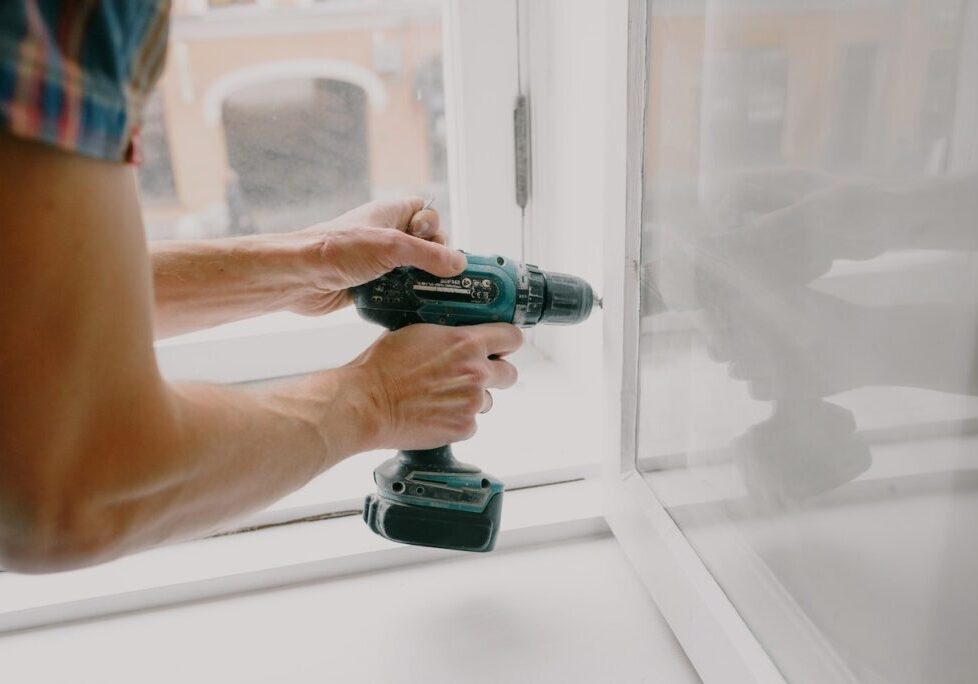
How To Soundproof Windows DIY

How to Soundproof Windows DIY: The Ultimate Guide
Noise pollution is a common problem that many homeowners face. Whether it’s traffic noise from a busy street, road noise from highways, or the constant hum of the outside world, unwanted sounds can significantly impact the comfort of your home. Fortunately, there are several DIY methods to soundproof your windows and create a quieter, more peaceful living environment. In this blog, we’ll discuss the best ways to soundproof your windows, from simple solutions to more advanced projects.

Why Soundproof Windows?
Windows are often the weakest point in your home’s ability to block out external noise. Single-pane windows and old windows tend to have small gaps and insufficient insulation, making them poor at reducing sound transmission. Whether you’re trying to block traffic noise, outside noise, or noise pollution, soundproofing your windows will make a huge difference in your indoor comfort.
The First Step: Identifying the Type of Window
Before you begin soundproofing your existing window, it’s essential to identify the type of window frame and window glass you have. The effectiveness of your soundproofing efforts depends on the window’s design. For example, single-pane windows are much more prone to sound vibrations than double-pane windows. Double-pane windows, which feature two layers of glass separated by an air space, naturally reduce noise more effectively due to their construction. However, even double-pane windows can be improved with a few DIY methods.
Cost-Effective Solutions: Enhancing Your Existing Windows
If replacing your old windows with new windows isn’t within your budget, there are cost-effective solutions that can still make a significant impact on noise reduction. Here are a few ideas:

1. Acoustic Caulk
One of the easiest ways to enhance your window frame is by applying acoustic caulk around the edges. This sound-dampening material helps seal small gaps in your window frame and provides an airtight seal, preventing sound from entering through these entry points. The first step in this method is to carefully clean the area around your window frame and then apply the caulk evenly. Once dried, it will create a barrier that reduces sound transmission and provides a more soundproof environment.
2. Window Plugs
For a more temporary or cost-effective way of soundproofing, consider using window plugs. These are made from sound-absorbing materials like foam or fiberglass and can be easily inserted into your window frame when you need to block outside sounds. Window plugs are particularly effective at reducing traffic noise or external sound from the outside world. They are also a good option for rooms that aren’t used frequently, as they can be removed and stored when not needed.
3. Acoustic Window Inserts
If you’re looking for a permanent solution, acoustic window inserts could be your best bet. These custom-fitted panels fit snugly inside your window frame and add an additional layer of glass that helps reduce sound. Acoustic window inserts are particularly effective for rooms that face noisy streets or high-traffic areas. They create an additional air gap between the existing window and the insert, acting as a sound barrier that significantly lowers the level of noise pollution inside your home.
4. Secondary Glazing
Another effective method for soundproofing your windows is secondary glazing. This technique involves adding a second layer of window glass to your existing window, creating an additional air space that helps to block sound vibrations. While secondary glazing is a more involved DIY project, it can be an excellent way to improve your window soundproofing without the cost of window replacement. You can use clear acrylic panels or twin-wall carbonate for this purpose. The extra layers of glass provide more resistance to sound transmission.

5. Soundproof Curtains and Blinds
If you’re looking for an easy way to block out outside sounds, soundproof curtains or acoustic curtains can be a game-changer. These window treatments are made from heavy materials that are specifically designed to absorb sound and reduce noise levels in a room. Sound-dampening curtains or noise-reducing curtains are available in various thicknesses, with some designed to block a substantial amount of noise from the outside world. In addition to soundproofing, these curtains also help with temperature control and energy efficiency, making them a great choice for bedrooms or living rooms.
For an even more effective approach, you can combine soundproof curtains with other acoustic sound boards or mass-loaded vinyl for better results. These layered materials can add significant soundproofing to your windows.
Advanced DIY Methods for Better Soundproofing
If you’re ready to take on a more ambitious DIY project, here are a few additional methods to enhance your window soundproofing:
6. Storm Windows
Adding storm windows to your existing window frame is another great way to reduce sound transmission. Storm windows are installed on the outside of your current windows and create an additional barrier that helps block external noise. They are particularly effective at minimizing traffic noise and road noise from highways or busy streets. Storm windows also provide better energy efficiency, making them an excellent all-around upgrade for your home.
7. Mass-Loaded Vinyl
Mass-loaded vinyl (MLV) is a high-density material that acts as a sound barrier. It’s incredibly effective at blocking sound vibrations because of its weight and density. To use MLV, you can attach it to the window frame or place it inside window treatments like soundproof curtains. This will add an extra layer of sound insulation to your windows, improving their ability to block unwanted noise.
8. Replacement Windows
If you’re willing to make a larger investment, installing replacement windows with better soundproofing capabilities is one of the most effective ways to reduce noise pollution. New soundproof windows are specifically designed to block noise transmission and are often built with layers of glass or laminated glass that significantly reduce the transfer of sound vibrations. Look for windows that are labeled as noise-reducing windows or acoustic-grade inserts for the best results. If you live in a particularly noisy area, double-pane windows with air gaps are a great option for cutting down on external noise.
9. Acoustic Foam Panels
For areas with high noise levels, such as a bedroom window or living room, acoustic foam panels can be an added layer of soundproofing. These panels are made of sound-absorbing materials and can be attached to the interior wall around the window to help reduce the transmission of sound waves from the outside. They are a great choice for rooms with thin walls or windows that face busy streets.

Additional Window Soundproofing Tips
- Seal air gaps: Use a dense rubber strip around the edges of your windows to close any small gaps in the frame of the window. Even the tiniest of gaps can let sound waves through, so sealing them up will improve soundproofing.
- Heavy Curtains or Blinds: Double-cell shades or cellular shades are a good option for soundproofing windows because they provide an extra layer of air space and can significantly reduce external sound. For a more aesthetic solution, soundproof blankets can also help absorb sound.
Conclusion
Whether you’re dealing with traffic noise, road noise, or just want to block the sounds of the outside world, soundproofing your windows can create a more peaceful living space. There are several DIY methods that range from simple window treatments to more advanced techniques like secondary glazing and acoustic window inserts. By combining different materials and methods, you can create a quiet, comfortable home without breaking the bank.
With these cost-effective solutions and DIY projects, you can dramatically reduce outside noise and enjoy a quieter, more peaceful environment. Whether you use acoustic caulk, window plugs, soundproof curtains, or even replacement windows, the right combination will help you achieve the best results for your soundproofing goals.
Start protecting your home today with a home warranty from HomeMembership. Enjoy peace of mind and spend more time enjoying the things you love. Join HomeMembership now and take the hassle out of home repairs.
Related Posts