
Discover Simple and Effective Ways to Deal with Pest Damage
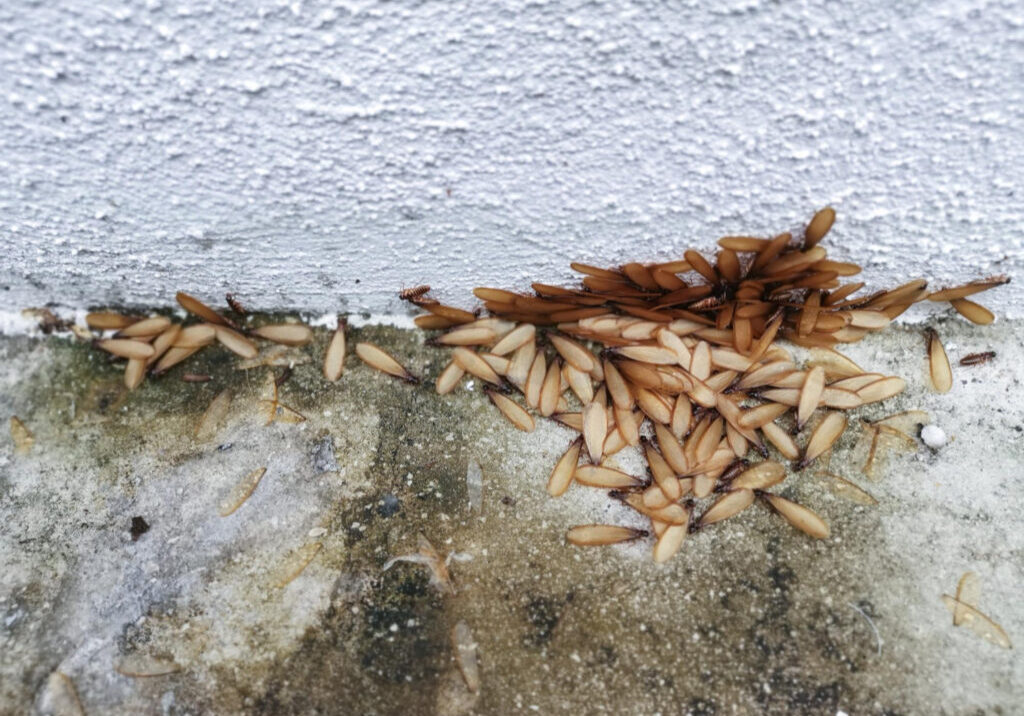
Pests can cause big problems in and around your home. Even tiny creatures like termites or ants can result in major damage if not handled quickly. Recognizing the signs early can keep your home safe and save you from spending a lot on repairs. From chewing on wood to ruining plants, pests can be a real headache.
Besides spotting trouble, knowing how to keep these invaders away is key. Simple actions like sealing up tiny gaps or storing food the right way can make a huge difference. With a few preventative steps, you can help create a barrier around your home to keep pests out.
Sometimes, if pests cause small damage, you can fix it yourself. But if the problem is severe, you might need the help of a professional. This guide will help you learn more about dealing with pests and protecting your space.
Identifying Common Pest Damage
Recognizing pest damage early can save your home from significant issues. Termites, for example, are silent destroyers. You might notice small mud tubes along your walls or see tiny piles of what looks like sawdust near wooden structures. These are signs of termite activity. If you find wood that sounds hollow when tapped, it might be time to investigate further.
Rodents like mice and rats can cause trouble in attics and basements. Look for gnaw marks on wires, insulation, and wood. You might also find droppings or notice a musky odor in hidden areas. Rodents often make nests from shredded material like paper or fabric, so be on the lookout for these signs.
Insects, too, can harm outdoor spaces. Garden pests are tricky, as they damage plants and soil. Holes in leaves, wilting plants, or visible bugs like beetles crawling on your plants point to a problem. Insects might also leave sticky residue or discolored spots on leaves, which can affect your plants’ health.
Signs to watch for:
– Termite mud tubes and wood dust
– Gnaw marks and droppings from rodents
– Holes in leaves and sticky residue from insects
By staying vigilant and knowing what to look for, you can tackle pest problems early.
Preventive Measures for Home Protection
Keeping pests out of your home involves proactive steps. Start by sealing entry points where pests can sneak in. Check the areas around doors, windows, and any pipes entering the house. Use caulk or weather-stripping to block any gaps. Remember, even small cracks can be entry points for determined pests.
Proper food storage deters pests, too. Use airtight containers for cereals, grains, and pet food. Keep counters clean and free of crumbs. Regularly take out the trash and use bins with tight seals. Pests are always on the hunt for food, so minimizing access helps keep them away.
A clean home makes it harder for pests to thrive. Declutter spaces to eliminate hiding spots. Regularly vacuum and dust, especially in corners and under furniture. Keep sinks and dishes clean to avoid attracting pests like ants and roaches. A tidy environment not only reduces pest problems but also makes spotting issues easier.
Key preventive measures:
– Seal holes and cracks around your home
– Store food in airtight containers
– Maintain cleanliness and declutter regularly
By following these measures, you create a healthy barrier that helps keep pests from invading your space.
DIY Repairs for Minor Damage
Handling minor pest damage by yourself can be quick and simple. If you find small holes in walls or floors, patching them can prevent more pests from entering. Use spackle or a similar filler to cover small gaps. For gnaw marks caused by rodents, you can sand the surfaces and then paint over them to restore their appearance.
In the garden, pests can damage plants and mulch. Replace any plants that are too damaged to recover. Consider using pest-resistant plants when replanting. For mulch, remove the affected areas and replace them with fresh mulch to prevent pests from settling.
Natural repellents can also help keep pests at bay. Ingredients like peppermint oil, garlic, and vinegar can ward off insects and rodents. Spraying these substances around windowsills, doorways, and other entry points can deter pests without harsh chemicals.
DIY strategies:
– Patch holes and cover gnaw marks
– Replace damaged plants and mulch
– Use natural pest repellents like peppermint oil
With these simple DIY steps, you can manage minor pest issues and keep your home looking its best.
Knowing When to Call a Professional
Sometimes pest problems get out of hand and need professional attention. Evaluating structural damage is crucial, especially if pests like termites have been at work. If you notice sagging floors, crumbling wood, or extensive damage beyond a few small holes, it’s time to seek expert help.
Infestations can quickly grow beyond what you can tackle alone. If you see signs of large colonies of termites or hear constant scratching noises in your walls, these are signs for immediate action. Professionals have the tools and knowledge to treat such serious situations effectively.
Regular professional inspections offer peace of mind. Experts can find hidden issues and suggest ways to prevent future problems. With their guidance, you maintain a safe and stable home environment.
Indicators for professional help:
– Significant structural damage
– Large or spreading infestations
– Benefit from expert inspections and advice
Knowing when to call in the pros helps protect your home from worsening damage and supports a healthier living environment.
Conclusion
Recognizing and addressing pest problems early can save your home from severe damage and costly repairs. While you might handle small repairs yourself, knowing when it’s necessary to bring in an expert is essential. Professional assessments ensure your home stays safe and free from future infestations, providing long-term peace of mind.
By implementing effective preventive measures, such as sealing entry points and maintaining cleanliness, you create a powerful barrier against pests. These steps help manage minor issues before they escalate, supporting a pest-free home environment.
Explore HomeMembership for solutions tailored to protect your home and budget. With our comprehensive options, including repair reimbursements, you can ensure your home remains secure against pests and other potential damages. Learn more about optimizing your home’s protection by checking out our brochure and see how we can help you maintain a worry-free living space.
Related Posts