
DIY Plumbing Solutions for Minor Issues
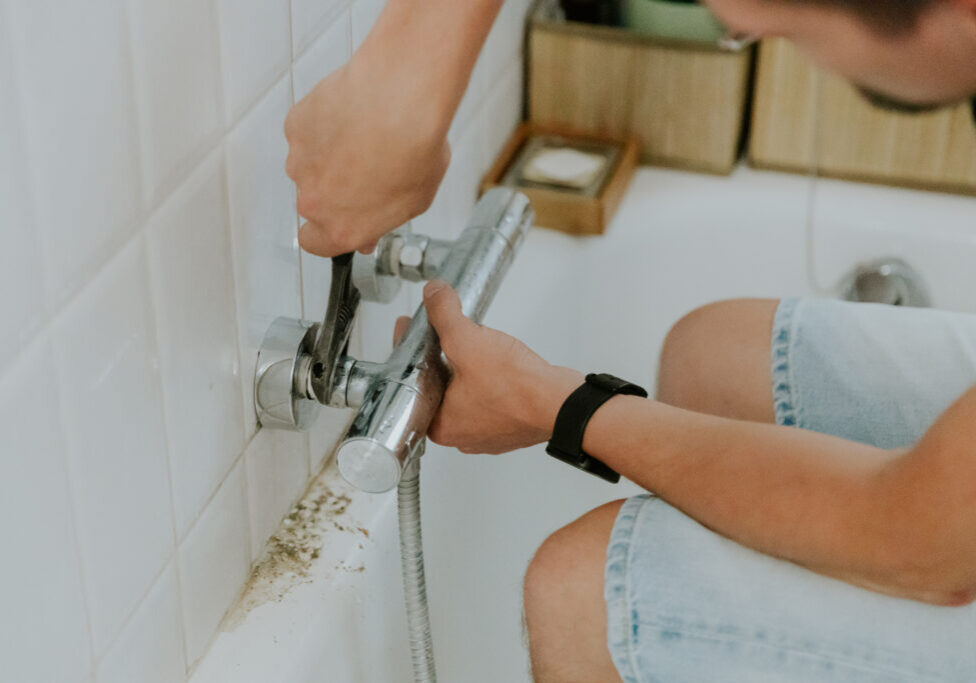
Taking care of minor plumbing issues ourselves can save both time and money. Small problems like leaky faucets, clogged drains, running toilets, and replacing showerheads are common in many homes and can be fixed without needing to call a professional plumber. By understanding some basic DIY solutions, we can handle these minor issues efficiently.
It’s important to know that not all plumbing issues require a professional service. Simple tools and a bit of know-how can often solve the problem. Tackling these minor repairs gives us a sense of accomplishment and reduces the stress of dealing with household maintenance.
Whether it’s a dripping faucet that keeps us up at night or a clogged drain causing slow water flow, basic plumbing knowledge empowers us to keep our homes running smoothly. Let’s explore some straightforward, step-by-step solutions to these common plumbing problems so we can handle them with confidence.
Fixing a Leaky Faucet
A leaky faucet can be both annoying and wasteful. Fixing it is usually straightforward and requires only a few basic tools like a wrench, screwdriver, and replacement parts. The first step is to turn off the water supply to the faucet to avoid any unexpected spraying.
Start by removing the handle. This often involves unscrewing a cap or using an Allen wrench to loosen a set screw. Once the handle is off, you can access the cartridge or ball valve inside. This is often where the leak originates. Carefully remove any screws or nuts holding the cartridge or valve in place and take it out.
Inspect the cartridge or valve for signs of wear and tear, such as cracks or damaged O-rings. These parts can be replaced easily. Take the damaged pieces to a hardware store to find exact matches. Installing the new cartridge or valve is as simple as removing the old one. Simply reverse the steps you took to dismantle the faucet, ensuring everything is tightly sealed.
Finally, turn the water supply back on and test the faucet. If no water leaks out, you’ve successfully fixed the problem. This simple repair can save gallons of water each month and eliminate that annoying drip, drip, drip.
Unclogging Drains
Clogged drains are a common issue in many households. Whether it’s a kitchen sink, bathroom sink, or bathtub drain, a clog can slow down water flow or even cause backups. Luckily, most clogs can be cleared with a few simple methods.
Start by using a plunger. For sinks and bathtubs, fill the basin with enough water to cover the plunger’s cup. Place the plunger over the drain and push up and down several times to create suction and dislodge the clog. If this doesn’t work, try a drain snake or auger. Insert the snake into the drain and twist it until you feel resistance. This indicates you’ve reached the clog. Continue twisting and pushing until the blockage is cleared.
Another effective method is using a natural drain cleaner made from baking soda and vinegar. Pour half a cup of baking soda down the drain, followed by half a cup of white vinegar. The mixture will fizz and bubble, helping to break down the clog. Let it sit for about 15-20 minutes before flushing the drain with hot water.
If these methods don’t work, the trap under the sink might be the issue. Place a bucket under the trap and unscrew it to remove any trapped debris. Clean it thoroughly and reattach it. This should clear any remaining blockage and restore proper water flow.
By unclogging drains ourselves, we can maintain smooth water flow and avoid more serious plumbing issues. These easy steps help us keep our homes running efficiently without needing professional help.
Repairing a Running Toilet
A running toilet can waste a lot of water and hike up our water bill. Fixing it is often a simple task that we can handle on our own. The first thing we should do is remove the tank lid and inspect the inner workings. Most toilets have a flapper, chain, and float that control the flow of water. If any of these parts are not functioning correctly, the toilet will keep running.
Start by checking the flapper. If it’s worn out or not sealing properly, it will allow water to continuously flow into the bowl. We can easily replace the flapper by disconnecting it from the chain and attaching a new one. Make sure the new flapper fits snugly over the flush valve.
Next, look at the chain connecting the flapper to the flush handle. If the chain is too short or too long, it can prevent the flapper from closing properly. Adjust the length of the chain so that it has just a little bit of slack when the flapper is closed.
If the problem persists, examine the float. If the float is too high, it will cause the water to overflow into the overflow tube. Adjust the float by bending the float arm or adjusting the float cup height. This will lower the water level in the tank to the proper level.
By following these simple steps, we can stop the toilet from running continuously and save water in the process.
Replacing a Showerhead
Replacing a showerhead is one of the simplest plumbing tasks we can undertake. It’s a quick job that can make a big difference in our shower experience. Start by gathering the necessary tools: an adjustable wrench, plumber’s tape, and the new showerhead.
First, remove the old showerhead. Use the adjustable wrench to turn the showerhead counterclockwise. If it’s stuck, apply a bit of penetrating oil and let it sit for a few minutes to loosen any debris or corrosion. Once the old showerhead is removed, clean the threads on the shower arm to ensure a smooth installation of the new one.
Next, wrap plumber’s tape around the threads of the shower arm. This helps create a tight seal and prevents leaks. Screw the new showerhead onto the shower arm by hand, turning it clockwise until it’s snug. Use the adjustable wrench to give it an extra quarter turn if needed, but be careful not to overtighten, as this can damage the showerhead or arm.
Once the new showerhead is in place, turn on the water to check for leaks. If water drips from the connection, gently tighten the showerhead with the wrench. Enjoy the improved water flow and refreshed shower experience that comes with a new showerhead.
Conclusion
Taking care of minor plumbing issues ourselves can save us both time and money. By learning to fix a leaky faucet, unclog drains, repair a running toilet, and replace a showerhead, we can keep our home in good working order. These simple DIY tasks empower us to manage small problems before they become major issues.
Regular maintenance and quick fixes are essential to maintaining a comfortable and efficient home. Understanding these basic plumbing repairs can make a significant difference in our daily lives. We become more confident in our ability to handle home maintenance and enjoy the satisfaction of solving problems on our own.
When it comes to protecting our home, HomeMembership makes it easy to choose our own service provider for repairs. With reimbursement based on brochure totals minus a low deductible, we can manage repairs with peace of mind. Explore the benefits and protection our home repairs membership offers by visiting our website today.
Related Posts