How Does a Pool Filter Work? Understanding Pool Filtration Systems
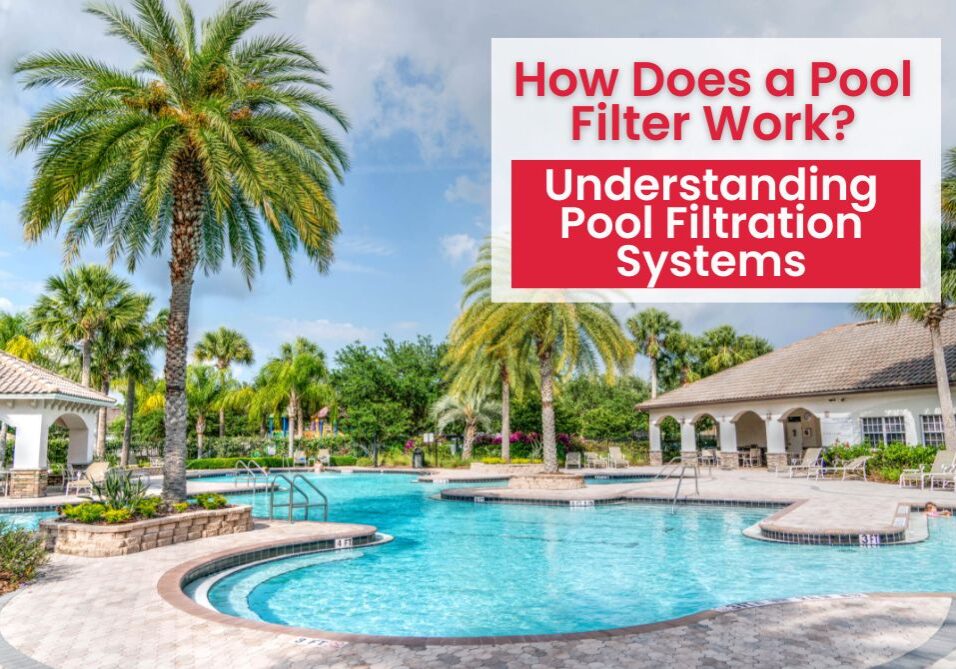
A pool filtration system plays a crucial role in maintaining clean water for your inground pools and commercial swimming pools. Without proper filtration, dirty water filled with fine particles, pool chemicals, and debris would circulate, affecting water clarity and overall water quality. But how does a swimming pool filter work? Let’s dive into the various technologies used in pool systems and explore the main types of pool filters available to pool owners.
The Basics of Pool Filtration
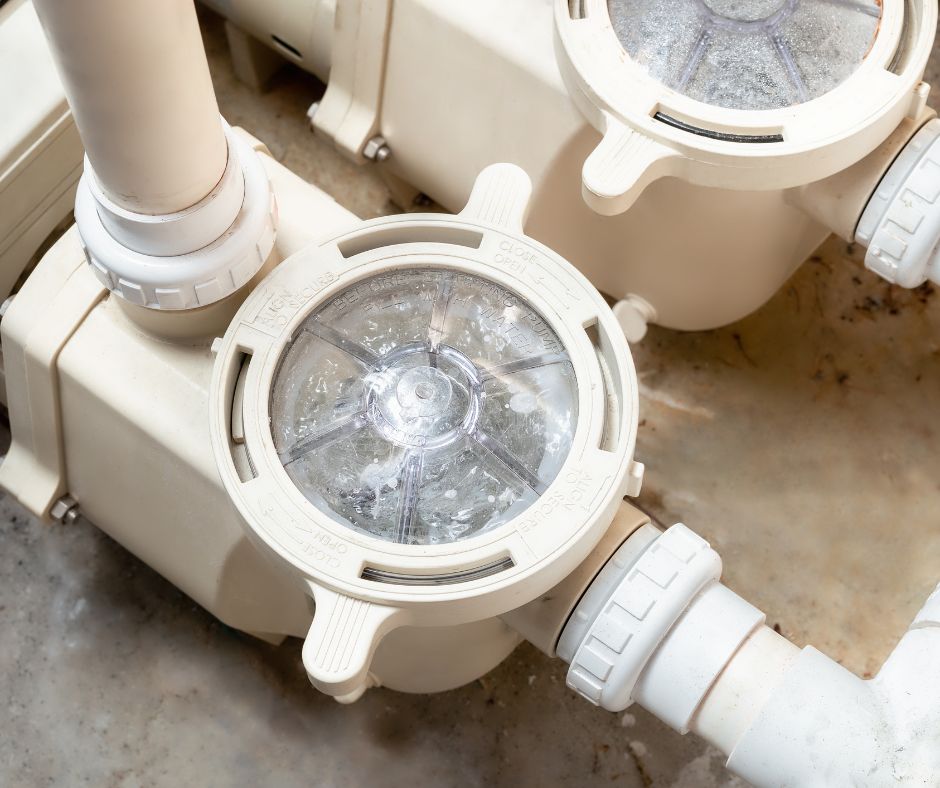
The pool filter system works by directing swimming pool water through a filter medium to remove unwanted particles, such as dirt, debris, and even particles as small as 3-5 microns, which is finer than a human hair. The pool circulation system consists of a swimming pool pump, skimmer basket, pump basket, and the pool filter works to ensure filtered water is returned to the pool.
The flow of water starts when the electric motor in the centrifugal pumps powers the pool pump work, drawing water from the pool into the filter tank. The pressure gauge on the filter indicates when it’s time for regular maintenance to prevent high pressure buildup and reduced flow rate.
Main Types of Pool Filters
There are three main types of pool filters: sand pool filters, cartridge pool filters, and DE filters (diatomaceous earth filters). Each has its advantages, making them suitable for different needs and budgets.
1. Sand Pool Filters
The most common type of filter found in both residential and commercial swimming pools are Sand pool filters. They use silica sand or sand filter technology to filter. When water goes through the sand bed, dirt particles and debris are trapped while filtered water exits through the outlet pipe.
- Pros:
- Good option for new pool owners due to ease of use.
- Can remove debris down to about 20-40 microns.
- Requires backwashing for cleaning, using a multiport valve.
- Cons:
- Less effective at filtering fine powder and fine particles compared to other filters.
- Uses more water due to frequent backwashing, increasing energy costs.
2. Cartridge Pool Filters
Cartridge filters use a filter cartridge made of polyester cloth to capture small particles in the filtration process. These filters are efficient and require less amount of time for maintenance compared to sand pool filters.
- Pros:
- Captures finer debris than sand bed filters (10-15 microns).
- No backwashing needed, reducing water waste and energy costs.
- Provides a large surface area for filtration.
- Cons:
- Filter cartridges need to be manually cleaned or replaced every 2-3 years.
- Less effective in large-area pools compared to DE filters.
3. DE Filters (Diatomaceous Earth Filters)
DE filters provide the best pool filter performance by capturing debris as small as 3-5 microns. These filters use filter grids coated with DE powder, which acts as the filter element to trap debris.
- Pros:
- Best D.E. filter option for those wanting the highest water clarity.
- Captures the smallest debris compared to high-rate sand filters and cartridge pool filters.
- Works well for commercial swimming pools requiring superior filtration.
- Cons:
- Requires frequent maintenance and backwashing.
- Higher initial cost and requires adding DE powder after backwashing.
Pool Maintenance and Filter Care
Regardless of the filter type, pool maintenance is essential to keep your pool filtration system running efficiently. Here are some maintenance tips:
- Check the pressure gauge: If pressure is too high, it’s time to clean or backwash the filter.
- Replace the filter cartridge: For cartridge filters, clean or replace the filter cartridge as needed.
- Backwash sand and DE filters: This removes trapped debris and restores efficiency.
- Monitor water flow: If water flow is restricted, check for clogs in the filter’s housing or pump basket.
Pool Filter System and Other Equipment
Your pool filter system works alongside other pool equipment, such as the pool heater, to maintain optimal swim season conditions. If your pool has a single-speed or variable-speed pump, it impacts the flow rate and efficiency of the filtration equipment. Choosing the right filter media and maintaining your pool filter system will keep your swimming pool water crystal clear.
As pool owners, selecting the best pool filter for you really will depend on your pool size, budget, and desired water quality. Sand pool filters are the most common type of pool filter, cartridge filters are a good idea for those wanting easier maintenance, and DE filters offer the finest filtration for excellent choice in water clarity. Regular cleaning and pool maintenance will ensure your filter functions effectively for a long time, keeping your pool ready for you all season long!
About HomeMembership:
HomeMembership is a home warranty company that provides comprehensive coverage for home systems and appliances, along with exclusive membership benefits. They simplify the home warranty experience and protect homeowners from unexpected repair costs. No fine print, low deductible, and you can pick your own provider.