
How to Fix Wobbly Furniture: Preventive Tips and Steps
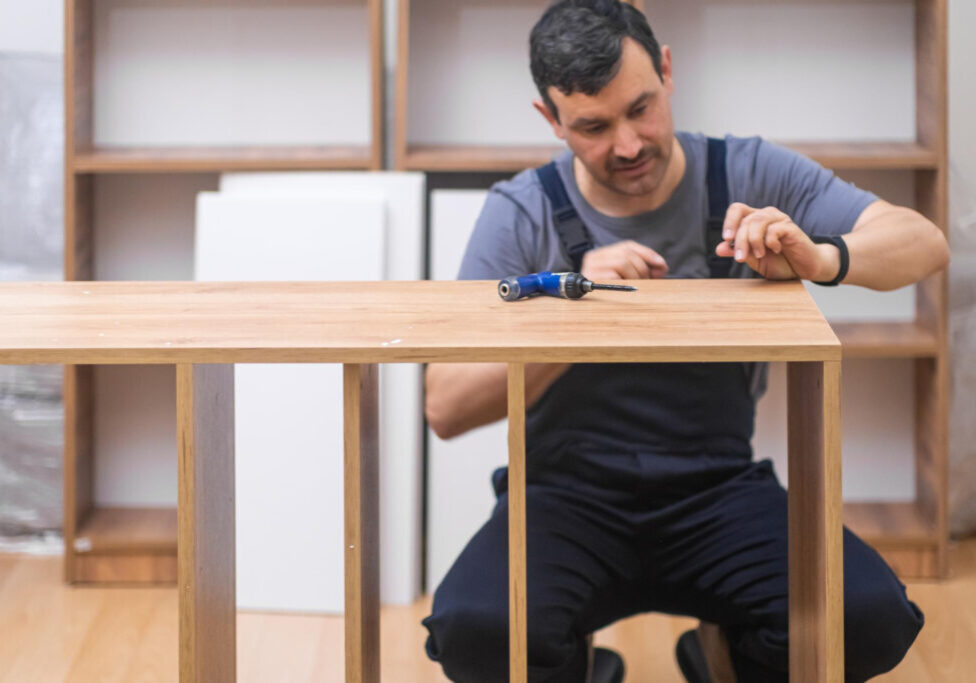
Want to learn how to fix wobbly furniture? Check out these preventive tips to maintain stability and improve your home’s comfort.
Wobbly furniture can be both annoying and unsafe, making sitting at a desk or relaxing in a chair a shaky experience. It can even damage floors or walls if you’re not careful. Fixing this problem can seem daunting, but with a few tools and some know-how, you can stabilize your furniture and enjoy a more secure and comfortable home.
The main causes of unsteady furniture are usually loose screws, worn-out joints, or uneven floors. Identifying the root of the wobble is the first step in solving it. Sometimes your table or chair just needs a quick tighten, while other times you might need to add a bit more support.
Understanding how to manage wobbly furniture helps you maintain your home’s safety and comfort. It doesn’t have to be a time-consuming or expensive task. With clear instructions and the right approach, you can ensure your furniture stands firm for everyone to enjoy.
Identifying the Cause of Wobbly Furniture
Wobbly furniture can be a nuisance and understanding the reasons behind it helps in solving the issue effectively. A common cause of instability is loose joints or screws. With time, these connections might weaken due to prolonged use, causing the furniture to wobble. Start by giving your furniture a thorough examination. Pay close attention to areas where pieces join, like the legs and frame.
Another factor could be uneven flooring. Floors that aren’t level can cause one or more legs of a chair or table to rest unevenly, making it feel like it’s tipping or rocking. Check if the surface where your furniture sits is flat and even. If it isn’t, this might be the reason your furniture seems unstable.
Here’s how to pinpoint the problem:
– Inspect joints for looseness.
– Check all screws and bolts for tightness.
– Observe furniture stability on different floor surfaces.
By identifying the exact cause, you can choose the most suitable solution to stabilize your furniture.
Tools and Materials Needed for Stabilization
Having the right tools and materials is crucial for fixing wobbly furniture. Here are some essentials you will need:
– Screwdrivers: Useful for tightening loose screws.
– Wood Glue: Ideal for reinforcing joints.
– Clamps: Help hold pieces together while glue dries.
Safety is important, too. When handling tools, wear gloves to protect your hands and ensure you work in a well-lit, clean area. Also, always follow instructions provided with any tools or products.
Select products that match your furniture’s material. For instance, use wood glue for wooden furniture, while metal brackets may be more suitable for metal or composite items.
To recap the necessary tools:
– Gather screwdrivers, wood glue, and clamps.
– Use safety gear like gloves.
– Match products to furniture materials.
With the right tools and safety precautions, stabilizing your furniture becomes a straightforward task.
Step-by-Step Guide to Fixing Wobbly Furniture
Fixing wobbly furniture involves several straightforward steps. First, check all screws and bolts. Use a screwdriver to tighten them securely. Sometimes, just tightening the screws solves the problem. Be careful not to overtighten, as this can strip the screws or damage the furniture.
If the issue persists, reinforce the joints with wood glue or metal brackets. For wooden furniture, apply a small amount of wood glue to the loose joint, then clamp it in place until the glue fully dries. Metal brackets can provide extra support—attach them with screws for additional stability.
For furniture affected by uneven floors, leveling might be necessary. Use furniture pads under the legs that don’t touch the ground or place a small wooden wedge for balance. Adjust the wedges until the furniture sits evenly.
Here’s a summary of steps:
– Tighten all screws and bolts.
– Use wood glue or metal brackets for reinforcement.
– Level furniture with pads or wedges.
By following these steps, you can stabilize your furniture quickly and effectively for steady use.
Preventive Tips for Maintaining Stable Furniture
Keeping your furniture stable involves regular maintenance. Conduct frequent checks for any signs of wear and tear to catch problems early. Look at joints, screws, and bolts to ensure they stay tight and in good condition. Address any minor issues before they grow more serious, requiring complicated repairs.
Place your furniture on stable surfaces to prevent wobbling. If your floor is uneven and causes instability, use furniture pads or adjust furniture positions to find balance.
Finally, stay alert to early signals of instability, like creaking sounds or visible gaps in joints. Taking immediate action saves time and effort in the long run.
Checklist for prevention:
– Perform regular inspections.
– Position furniture on stable surfaces.
– Pay attention to early signs of instability.
By incorporating these practices, you maintain your furniture’s stability and extend its lifespan, keeping your living space secure and comfortable.
Conclusion
Fixing wobbly furniture is simple with the right steps and tools. Identifying the cause, such as loose screws or uneven floors, allows for an effective solution. Regular maintenance and preventive measures help ensure your furniture stays stable and secure. By investing a little time and effort, you can enjoy comfortable and wobble-free furniture in your home.
While addressing these practical issues around the home, consider how HomeMembership can play a role in ensuring your property remains in tip-top condition. Our membership benefits are designed to support your needs, allowing you to focus on what truly matters. Discover how HomeMembership can help you protect and maintain your household with ease and peace of mind.
Related Posts