
How to Install a Backsplash in the Kitchen
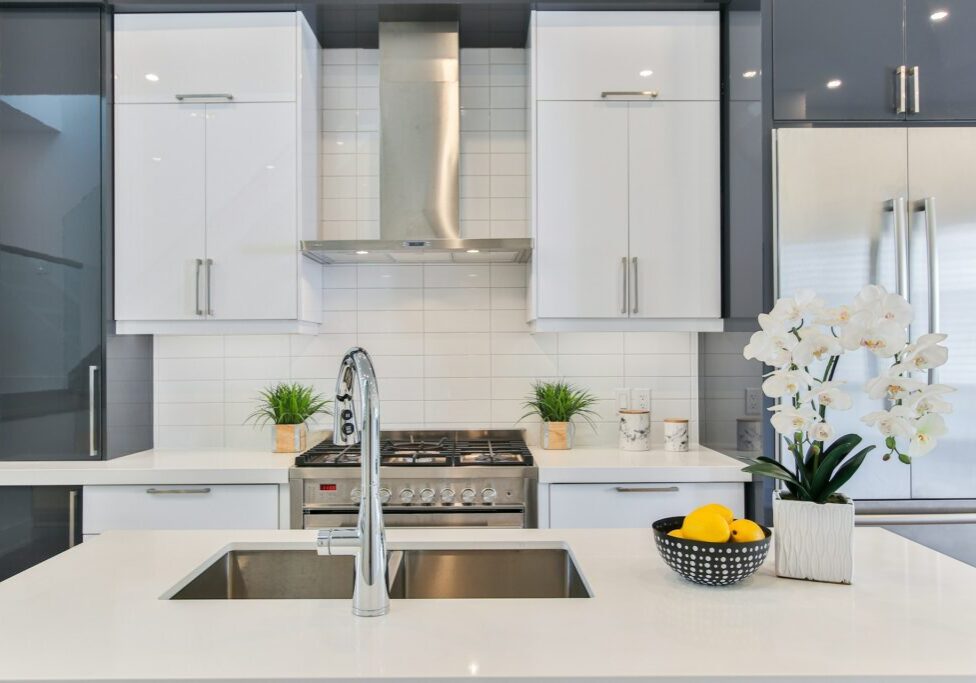
Adding a backsplash to your kitchen is a great way to update the space and add some personality. It protects the walls from splashes and spills and can be a fun DIY project. Whether you choose classic subway tiles or colorful mosaics, installing a backsplash can transform your kitchen’s look.
In this guide, we will walk you through everything you need to know. From getting your tools ready, prepping the wall, laying the tiles, to adding those final touches, we’ll cover each step in detail. By the end, you’ll have a beautiful backsplash that not only looks great but also adds value to your home. Through this easy-to-follow method, boosting your kitchen’s appeal has never been simpler.
Gather Materials and Tools
Before you start installing your backsplash, make sure you have all the necessary materials and tools. This will help the process go smoothly and efficiently. Here’s a list of what you’ll need:
1. Tiles: Choose the type of tile you want—ceramic, glass, or stone. Measure the area to determine how many tiles you need.
2. Tile Adhesive: Also known as mastic, this will help the tiles stick to the wall. Make sure to get enough for your entire project.
3. Trowel: A notched trowel is used to spread the adhesive evenly on the wall.
4. Tile Cutter or Wet Saw: This tool will help you cut the tiles to fit around outlets and edges.
5. Level: Ensuring your tiles are level is crucial for a professional-looking finish.
6. Spacers: These small pieces keep the tiles evenly spaced while the adhesive dries.
7. Grout: This fills the spaces between tiles and adds a finished look. Choose a color that complements your tiles.
8. Float: A rubber float helps spread the grout evenly across the tiles.
9. Sponge and Bucket: You’ll need these for cleaning excess grout off the tiles.
10. Tape Measure and Pencil: These are essential for marking your measurements and guides.
Prepare the Wall for Installation
Proper preparation of the wall is essential for a durable and professional-looking backsplash. Follow these steps to prepare your wall:
1. Clean the Wall: Use a sponge and mild cleaner to remove grease, dirt, and dust. A clean surface helps the tile adhesive bond better.
2. Repair Any Damage: Patch up any holes or cracks in the wall with a filler or spackle. Sand the area smooth after it dries to create an even surface.
3. Ensure the Wall is Dry: Moisture can prevent the adhesive from bonding properly. Make sure the wall is completely dry before you start.
4. Mark Your Layout: Use a level and pencil to draw a straight line where the bottom of the first row of tiles will go. This will help keep your tiles even as you work up the wall.
5. Apply Primer if Needed: If your wall is painted or made of a non-porous material, apply a coat of primer designed for tile adhesive. This helps the adhesive grip the wall better.
6. Turn Off Power: If you’re working around electrical outlets, turn off the power at the breaker box and remove the outlet covers. This is an important safety step.
Install the Backsplash Tiles
Once the wall is prepared, you can start installing the backsplash tiles. Follow these steps for a successful installation:
1. Apply the Adhesive: Use the notched trowel to spread tile adhesive on a small section of the wall, starting at the bottom center and working your way out. Spread enough adhesive for a few tiles at a time to prevent it from drying out.
2. Set the Tiles: Press the tiles into the adhesive, using spacers to maintain even gaps between them. Press firmly to ensure they stick well. Use your level to make sure they are aligned correctly and make adjustments as needed.
3. Cut Tiles to Fit: Use a tile cutter or wet saw to cut tiles to fit around edges, outlets, and other obstacles. Always measure twice and cut once to avoid mistakes.
4. Continue Tiling: Work in small sections and continue placing tiles until the whole backsplash area is covered. Allow the adhesive to dry according to the manufacturer’s instructions before moving to the next step.
5. Remove Spacers: Once the adhesive is dry, carefully remove the spacers. If you find any adhesive squeezing out between the tiles, scrape it off gently.
Finishing Touches and Sealing
After you’ve placed all your tiles, the next steps are applying grout, sealing, and cleaning up the area. Here’s how to finish your backsplash project:
1. Mix and Apply Grout: Follow the manufacturer’s instructions to mix your grout. Use a rubber float to spread the grout over the tiles, pushing it into the spaces between them. Work in small sections to ensure the grout doesn’t dry out before you finish.
2. Clean Excess Grout: Use a damp sponge to wipe away excess grout from the tile surfaces. Rinse the sponge frequently and keep wiping until the tiles are clean. Be careful not to remove grout from the spaces between the tiles.
3. Let the Grout Set: Allow the grout to set for at least 24 hours. This ensures that it hardens properly and stays in place.
4. Seal the Grout: Once the grout is fully set, apply a grout sealer to protect it from stains and moisture. Follow the instructions on the sealer for the best results. Use a small brush or applicator to apply the sealer evenly.
5. Replace Outlet Covers: Turn the power back on and replace the outlet covers. Make sure they fit snugly and are properly secured.
6. Final Cleaning: Give the tiles a final wipe-down to remove any remaining dust or residue. Your kitchen backsplash should now look clean and professional.
Conclusion
Installing a kitchen backsplash can seem like a big project, but breaking it down into manageable steps makes it much easier. From gathering the right materials and preparing the wall, to setting the tiles and applying the finishing touches, each step is important for a successful and long-lasting backsplash. Taking the time to do each step carefully ensures that your new kitchen feature will be both beautiful and functional.
Join HomeMembership today and enjoy the peace of mind that comes with knowing your home is protected. Get started with your home warranty now and focus on enjoying your beautifully updated kitchen and the things you love most.
Related Posts