
The Best Treatment To Control Grubs In Lawn

If you notice patches of brown, wilting grass or your lawn struggles to stay healthy, you might have a grub problem. Lawn grubs, the larval stage of several types of beetles, can wreak havoc on your yard, particularly during the growing season when they are actively feeding on your grass roots. Fortunately, with the right grub treatments and care, you can keep your lawn grubs in check and restore the health of your home lawn. In this blog, we’ll explore best treatments for grubs, including preventive and curative options, and how to identify, manage, and even prevent grub infestations from ruining your lawn.

What Are Lawn Grubs and Why Are They a Problem?
Grubs are the larvae of various types of beetles, such as Japanese beetles, green June beetles, and European chafers. These larvae feed on the roots of your grass, damaging the root zone and leaving your turf vulnerable to other pests, diseases, and environmental stress. As grub populations grow, their feeding can cause significant damage, making it hard for your lawn to recover, especially if left unchecked for too long.
The feeding damage caused by grubs can result in brown patches, drought stress, and even areas of sod webworms or other secondary pests. If you notice patches of lawn that feel spongy or lift easily, you might have a grub infestation. Grubs typically feed on organic matter in the soil, and large populations can even attract predators like birds or skunks, which may further damage your lawn.

Understanding the Grub Life Cycle
To manage and treat grub problems effectively, you need to understand the life cycle of grubs. This process varies slightly depending on the species of grubs involved, but generally, the cycle includes the following stages:
- Eggs: Adult beetles, such as Japanese beetles, oriental beetles, and June bugs, lay their eggs in the soil from late June to early August. The eggs hatch into young grubs shortly after.
- Young Grubs: The larvae or young grubs begin feeding on the roots of your grass and other plant material during early summer. At this stage, the grubs are smaller and less damaging.
- Larval Stage: By late summer and early fall, grubs grow larger and continue to feed. This is when the grub feeding becomes most noticeable and damaging, especially in regions with warm soil temperatures.
- Pupation and Adult Beetles: As grubs mature, they move deeper into the soil, where they pupate over the winter. In early spring, they emerge as adult beetles, and the cycle starts again.
By understanding when grubs are most active, you can take action at the best time to treat your lawn effectively.
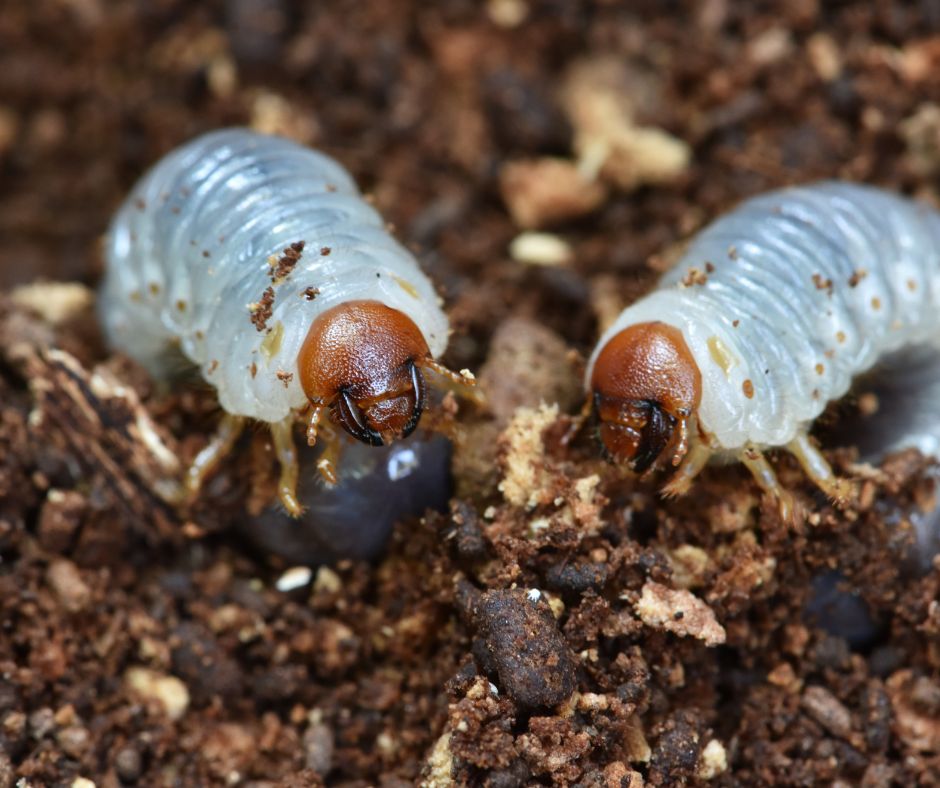
The Best Time to Treat for Grubs
Timing is crucial when it comes to grub control. Treatment efforts can be broadly categorized into preventive and curative treatments, depending on the stage of the grub life cycle.
Preventive Treatment (Early Spring and Late May to Early June)
The best time to apply preventive products is in early spring, before the grubs hatch. During this time, the soil is warming up, and adult beetles are getting ready to lay eggs. By using preventive insecticides or biological control options like beneficial nematodes, you can minimize grub populations before they become a problem.
Products with low toxicity and natural ingredients, such as neem oil or bacillus thuringiensis, are safe options for grub prevention. These treatments target young larvae or eggs, preventing them from maturing and feeding on the roots of your grass.
Curative Treatments (Late Summer and Early Fall)
If you didn’t apply preventive insecticides earlier in the season, the best time for curative treatments is when you notice signs of a grub infestation—usually from late June to early August. During this period, grubs are in the larval stage and feed heavily on the grass roots. This is when they cause the most damage to the turf. You can apply curative insecticides during this window to reduce grub numbers.
Look for treatments that contain active ingredients like imidacloprid, chlorantraniliprole, or clothianidin, which are effective at targeting and killing grubs. Always follow the label directions to ensure you’re applying the correct amount of product for your lawn’s size—typically, treatments are measured per square foot of lawn.
Post-Infestation (Late Fall)
If you notice grub damage late in the season, after the grub feeding has already caused lawn damage, it may be too late for a curative treatment to make a massive difference for the following spring. However, you can still apply milky spore disease, which is a biological control that kills grubs as they ingest the spores. Milky spore disease is a slow-acting treatment but can be very effective for long-term control. It works best when applied in early fall when grubs are still active and feeding on the roots.
Beneficial Nematodes: A Natural Solution
For those seeking a natural solution, beneficial nematodes can be an excellent choice for grub control. These microscopic worms attack the grubs, releasing bacteria that kill them. Nematodes are a biological control method that poses no harm to people, pets, or other beneficial insects.
To use beneficial nematodes, apply them when soil temperatures are between 60 and 90 degrees Fahrenheit, usually in early spring or early fall, depending on the type of grubs you’re targeting. The nematodes will enter the soil and locate grubs, releasing their deadly bacteria. You can apply them using a sprayer or watering can. Soil moisture is critical for their success, so ensure your lawn is sufficiently watered before and after applying.
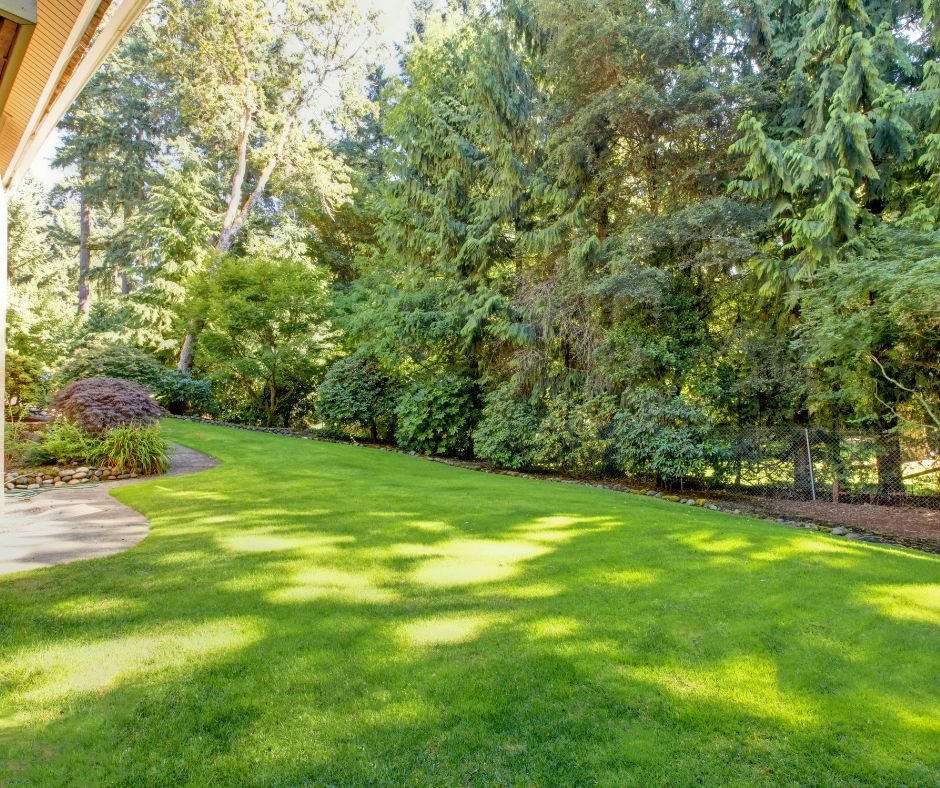
Treating Large Grub Populations
If you’re dealing with a severe grub infestation, it may be necessary to treat your entire lawn with an appropriate grub control product. Treating only small sections of the lawn is unlikely to solve the problem. For the best results, consider combining treatments to address both the grub feeding and to help restore the soil by adding organic matter or aerating your lawn.
Additional Tips for Grub Control
- Maintain a healthy lawn: Healthy grass is more resistant to grub damage. Make sure your lawn receives proper nutrients, water, and sunlight. Aerate your lawn in the spring or fall to improve soil oxygen levels and reduce drought stress.
- Proper watering: Soil moisture is essential for grub control. Water your lawn thoroughly to keep the turf healthy and improve the effectiveness of any treatment applied.
- Mow properly: Keep your grass at the recommended height for your lawn type. This helps your turf establish deeper roots, making it more resilient to white grub damage.
Conclusion
Treating and preventing a grub infestation on your home lawns requires timely action and the right approach. By understanding the life cycle of grubs and targeting the right stage, you can effectively control grub populations and protect your lawn from white grub damage. There are several ways to address this everyday lawn care issue, from preventive treatments in early spring to curative insecticides in late summer.
Additionally, you can use biological control methods like beneficial nematodes or milky spore disease for a more natural approach. Whether you’re dealing with Japanese beetle grubs, green June beetles, or other species of white grubs, the key to managing your grub problem is staying proactive with the right treatments at the best time of the year. By following these tips, you’ll be able to maintain a beautiful, healthy lawn that thrives year after year.
check out these tips if you need to get rid of ants in your yard.
About HomeMembership:
HomeMembership is the best home warranty company to help you protect your home from unexpected repairs. If you own a home, check out the options available to help cover expensive home repairs. They have a low deductible and you can pick your own providers!