
What’s Causing Holes in Your Lawn?

As late spring arrives and your yard begins to flourish, you may start noticing small holes scattered across your healthy lawn. Whether you’re dealing with shallow holes, large holes, or small tunnels, it’s essential to identify the cause of the holes and find the best way to fix them before they lead to dead grass and other issues. If you’ve been wondering about the usual suspects behind these holes and how to restore your lawn’s beauty, you’re in the right place.
What’s Causing Holes in Your Lawn?
Spring is a busy time for nature, and various animals, insects, and environmental factors can create excavated dirt, small mounds, and bare patches in your yard. Below are some of the common culprits:
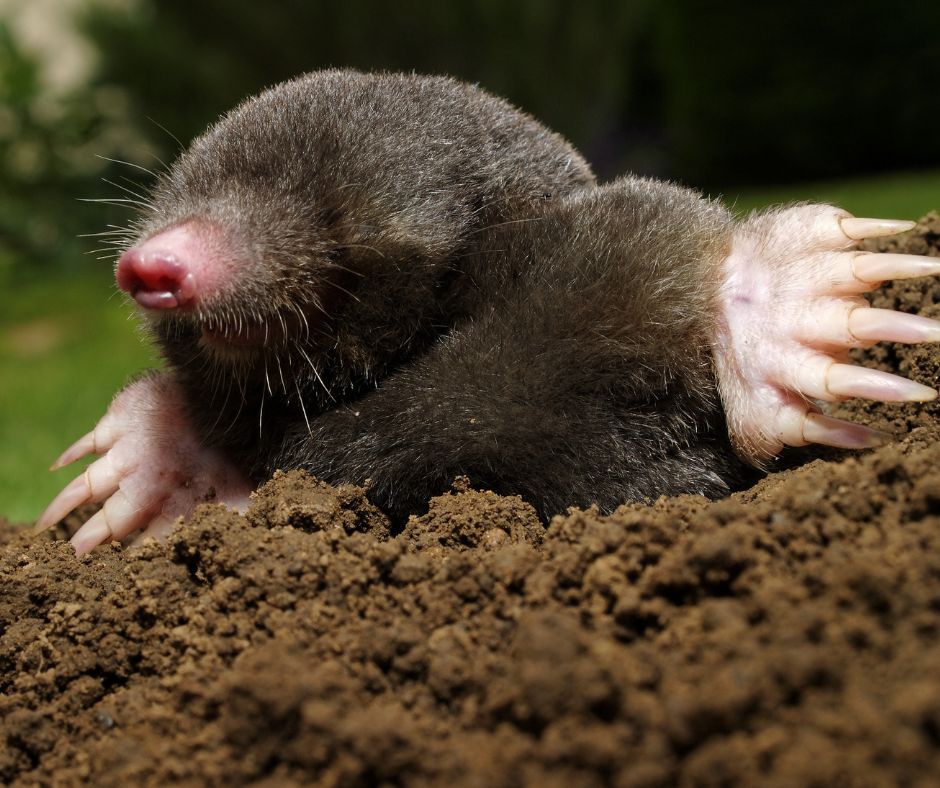
1. Small Rodents: Moles, Voles, and Pocket Gophers
If you notice mole holes or vole holes, you likely have small rodents tunneling through your lawn. These creatures dig through grass roots, creating small tunnels and destroying the plant roots in search of food sources. A temporary solution is to use chicken wire or traps, but for a more permanent fix, consider professional pest control methods.
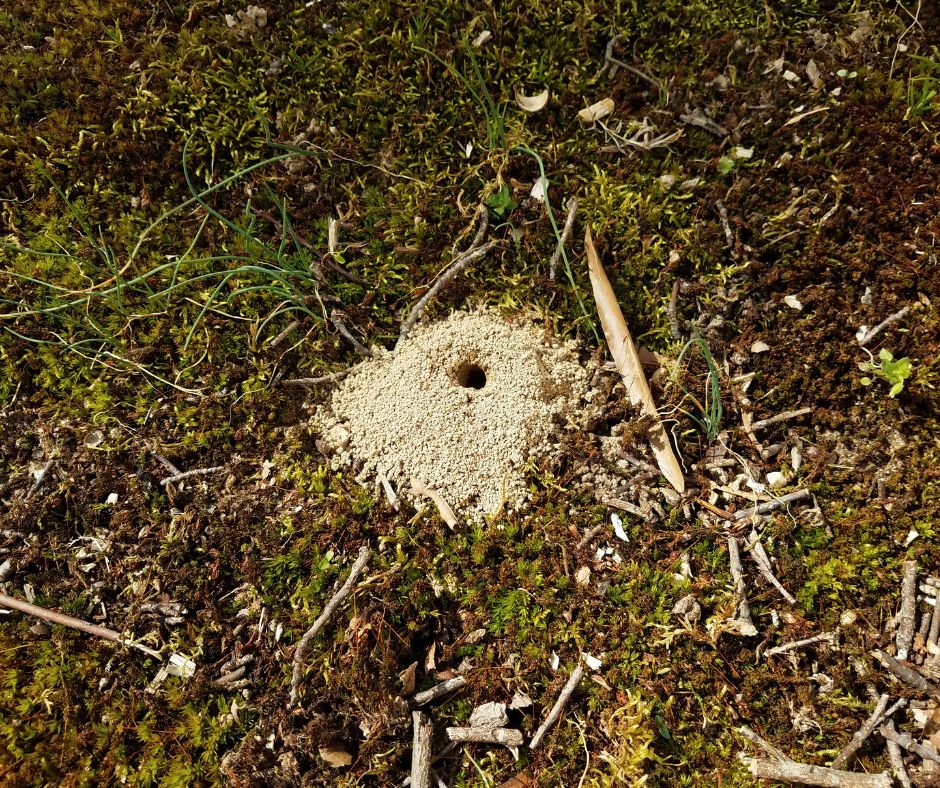
2. Insects: Cicada Killer Wasps, Scoliid Wasps, and Ant Hills
Insects such as cicada killer wasps, scoliid wasps, and species of digger wasps can leave behind entry points in your lawn. While beneficial insects like these help control pests, their burrowing can disrupt your lawn’s surface. If you’re dealing with ant mounds, try using a natural insect repellent found at your local garden center.
3. Birds and Other Wildlife
Many birds peck at lawns, looking for food sources like grubs and earthworms, leaving behind small holes. If you see increased bird activity, a grub infestation may attract them. Treating your lawn for Japanese beetles and other pests can help reduce the damage.
4. Soil Issues: Loose Dirt, Wet Soil, and Soil Subsidence
Sometimes, holes appear due to natural causes like wet soil, loose dirt, or soil subsidence from underground decay, such as rotten roots or old tree stumps. If your lawn has low spots, filling them with fresh soil and reseeding with cool-season grasses is the best course of action.
How to Fix and Prevent Holes in Your Lawn
Once you’ve determined the cause of the holes, follow these steps to restore your lawn and prevent further damage.
Step 1: Fill and Reseed the Affected Areas
For holes caused by digging holes from animals or insects, the easiest way to repair them is by filling them with soil and reseeding them. If you notice loose soil, press it down gently before adding grass seed to encourage proper growth.
Step 2: Improve Drainage and Lawn Care
Poor drainage can lead to soil subsidence and wet soil, making your lawn more prone to holes. Aerate your lawn and ensure proper irrigation to prevent excess moisture buildup. Regular lawn care, like dethatching and fertilization, can keep your grass strong and resilient.
Step 3: Install Barriers for Small Rodents
If pocket gophers, moles, or voles are persistent, install underground barriers using chicken wire or hardware cloth. Traps and repellents can also be effective.
Step 4: Treat for Pests
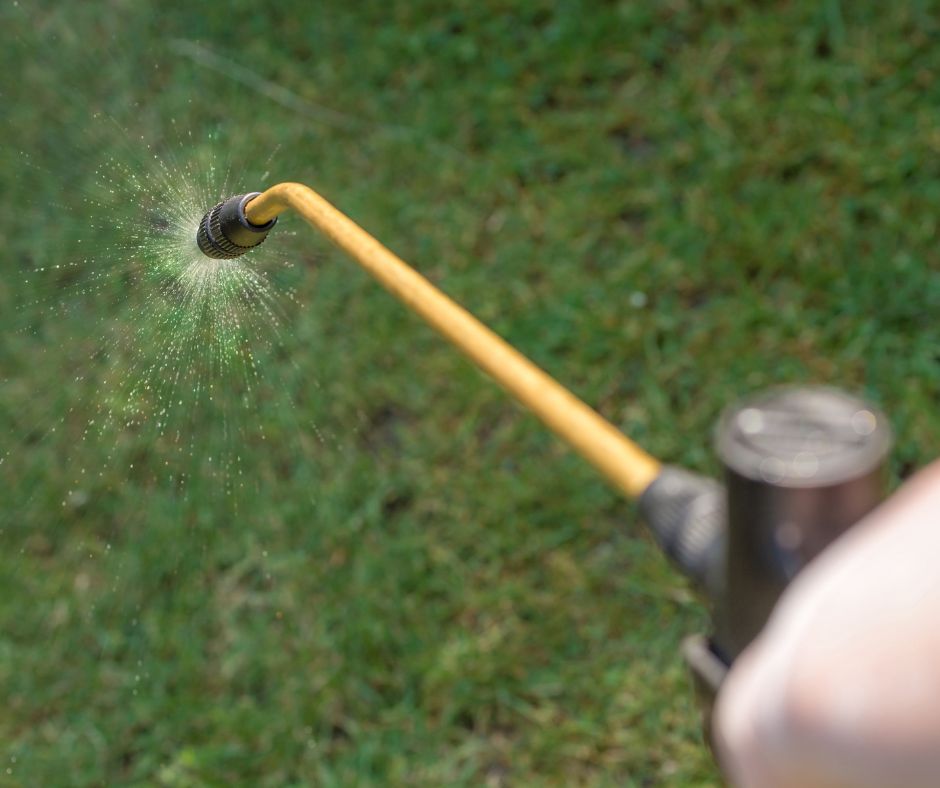
To reduce the presence of species of bees, cicada killers, or ant hills, targeted treatments from a garden center should be applied. Keeping your lawn healthy also discourages insects from nesting.
Step 5: Maintain a Strong Lawn with Proper Seeding
Spring is the ideal time to reseed your lawn, especially after filling in holes. Use cool-season grasses for a lush, healthy lawn that’s more damage-resistant.
A Healthy Lawn for the Season
Holes in your lawn can be frustrating, but by identifying the cause of the holes and taking the best course of action, you can restore your yard to its full beauty. Whether it’s mole holes, ant mounds, or small rodents leaving behind shallow holes, addressing the problem early in early summer ensures that your lawn remains healthy all season long. Keep an eye on your yard, apply proper lawn care, and enjoy a vibrant, hole-free lawn this spring!
Related Posts