
How to Identify Hidden Water Leaks Before They Cause Damage
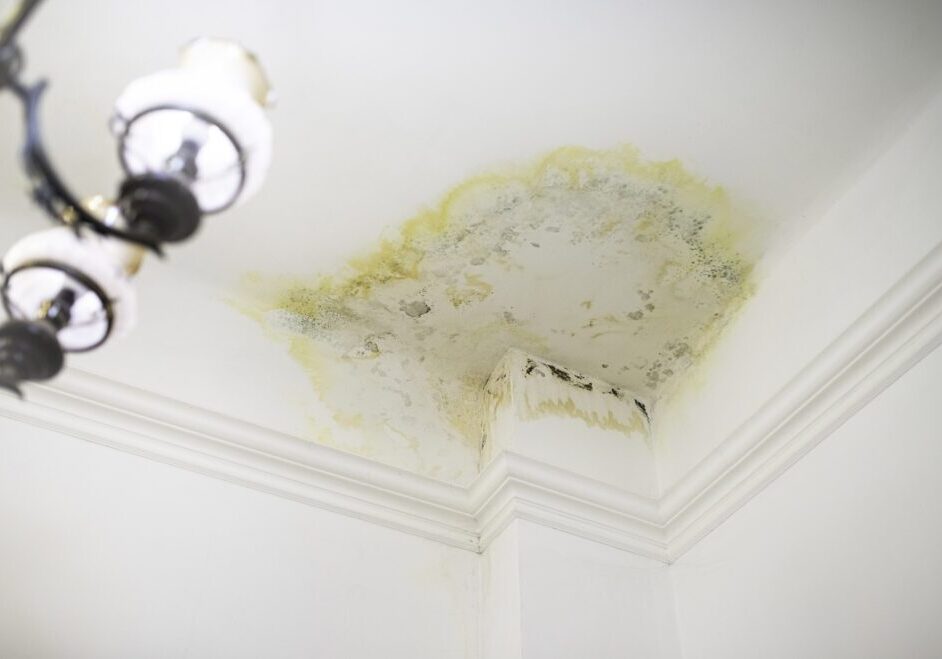
Hidden water leaks might not seem like a big deal at first, but they can quickly turn into costly nightmares. These leaks happen quietly behind walls, under floors, and in attics, slowly causing damage without homeowners knowing it until the problem becomes impossible to ignore. As water seeps into your home’s structure, it can lead to all sorts of issues, from structural damage to mold growth. Knowing how to spot these sneaky leaks early can save you a lot of trouble and money in the long run.
Catching hidden water leaks before they wreak havoc requires a bit of detective work but it’s well worth the effort. With some keen observation and the right tools, you can find and fix issues before they escalate. We’ll walk through the common signs that could indicate a hidden leak and share some practical tips on keeping your home safe and dry.
Common Signs of Hidden Water Leaks
Sometimes, a hidden water leak leaves subtle clues. Here are some signs to watch for:
– Unexplained Increase in Water Bill: If your water bill jumps for no apparent reason, it could mean water is slipping away without your knowledge.
– Damp Spots: These spots might appear on floors, ceilings, or walls, even when there’s no rain or humidity.
– Musty Odors: A persistent, musty smell might indicate water pooling somewhere out of sight, creating the perfect environment for mold.
It’s always best to act fast when you notice any of these signs. Waiting only allows the problem to grow, leading to more extensive damage and higher repair costs. Checking suspicious spots and keeping a close eye on your water usage can help catch these issues early. Homeowners can also become more vigilant by inspecting their home regularly and keeping potential leak zones under watch.
Tools and Techniques for Detecting Hidden Leaks
Detecting hidden leaks might feel overwhelming, but having the right tools makes the job much simpler. Homeowners can use a few handy devices to sniff out leaks:
– Water Meter: This is great for catching leaks if no one is using water. Turn off all water fixtures and appliances, then check the meter. If it continues to run or change, you likely have a leak.
– Moisture Meter: Perfect for finding damp spots that might not be visible. It helps measure moisture levels in materials like drywall or wood.
In addition to tools, there are techniques to help comb through potential leak locations:
– Check Under Sinks: Look for water pooling or dampness in cabinets beneath sinks.
– Inspect Around Appliances: Appliances like dishwashers or washing machines can be leak culprits. Check for standing water or moisture around their bases.
– Scan Basements and Attics: These areas are often overlooked but can be prime areas for leaks to hide.
Using these tools and methods can greatly aid in spotting and fixing potential leaks before they spiral into major problems.
Preventative Measures to Avoid Hidden Leaks
Once you know how to spot hidden leaks, the next step is keeping them from occurring in the first place. Simple regular maintenance goes a long way in preventing plumbing issues. Start by conducting routine inspections. Regularly checking pipes and fittings for any signs of wear and tear helps catch potential issues early. Maintaining proper water pressure is also key. High water pressure can strain pipes, leading to small leaks that grow over time.
During colder months, keeping exposed pipes insulated is essential to prevent them from freezing and bursting. Insulation materials are easily available and fairly straightforward to apply – it’s a simple step that can fend off a big problem. Consider installing leak detectors, which alert you to potential issues before they become serious. By investing a little time and effort into these preventative actions, you save money and stress further down the line.
The Role of a Plumbing Warranty in Managing Leak Issues
Even with the best preventive measures, nature can throw some surprises your way. This is where a plumbing warranty steps in. Having a warranty means you’re prepared for unexpected repairs that could otherwise blow your budget. It covers specific plumbing issues, easing the financial burden when repairs are needed. A warranty provides a safety net, ensuring quick attention and repair for those pesky leaks that might still sneak in.
This type of warranty can offer peace of mind by covering the costs associated with eligible repairs. So, while you’re vigilant about your home’s plumbing, you’ll also have backup when things go off the rails. This can be particularly useful in preventing a small issue from escalating into a full-blown disaster.
Protect Your Home from Hidden Leaks and Damages
By being proactive, you take control and protect your home from hidden leaks. Early detection is half the battle won. Pair this vigilance with a plumbing warranty, and you’re equipped to handle leaks effectively without the financial strain. The combined strategy safeguards your home and maintains its integrity for years to come.
Whether it’s damp patches, mysterious spikes in your water bill, or the drip-drip of water, knowing what to look for puts you a step ahead. Be equipped with simple tools and insights to ward off leaks and use warranties to cover unforeseen repairs. Taking these actions ensures your home remains a safe, dry haven.
Protecting your home from water-related issues starts with smart planning. If you’re looking for a way to cover unexpected repairs without stressing over costs, consider how a plumbing warranty from HomeMembership can offer support when you need it most. Stay ahead of surprises and keep your home running smoothly all year long.
Related Posts