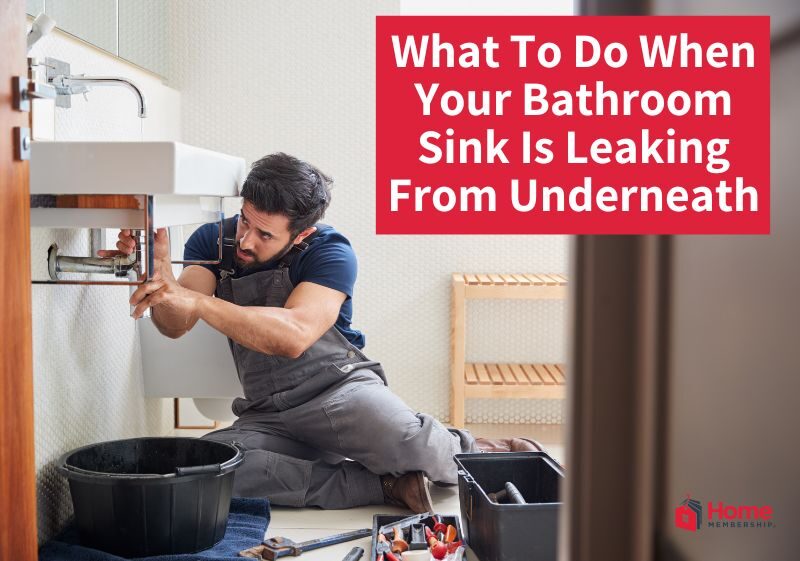
How to Repair Water Damage Under Your Sink

Water damage under your kitchen or bathroom sink can go unnoticed until it becomes a serious problem. Small leaks, burst pipes, or loose connections can lead to long-term damage, such as mold growth, structural deterioration, and costly repairs. To avoid these issues, it’s important to understand the common causes of water damage, how to repair the affected area, and how to prevent further damage.
Common Causes of Water Damage Under the Sink
- Leaks from the Drain Line: A leak in the drain pipe or water supply lines is a major cause of damage. Whether it’s a small drip or a more significant burst, water can pool at the bottom of the base cabinet, leading to water stains, rot, and mold growth.
- Old or Damaged Floors: Over time, the cabinet floor can wear out, particularly if it’s made of particle board, which is highly susceptible to water damage. Once water spots appear, they can lead to structural damage if not treated quickly.
- Standing Water: When there’s pooled water or excess water under your sink, it creates the ideal environment for the growth of mold spores. Even a minor leak can cause major issues if it goes undetected.
- Loose Connections: Loose connections in the plumbing system, such as with the drain pipe, can cause slow leaks, which may lead to further damage over time. Water leak detectors can help spot these leaks early on.

How to Repair Water Damage Under the Sink
Step 1: Stop the Source of the Leak
The first step in repairing water damage is finding and fixing the source of the leak. It might be a loose connection, a crack in the drain line, or a burst pipe. Shut off the cold water and inspect the area to identify the cause.
Step 2: Dry the Affected Area
Once the leak is fixed, remove any excess water with a dry cloth or a wet vacuum. Speed up the drying process with a hair dryer or fan. If the damage is significant, you may need a professional water damage restoration company to ensure that all moisture is eliminated.
Step 3: Inspect the Extent of the Damage
Check for signs of water damage like water spots, musty smells, or mold growth on the cabinet base or surrounding areas. If mold spores are present, clean the damaged area with a commercial mold remover or a mixture of bleach and water. Always wear protective gear when dealing with mold.

Step 4: Replace Damaged Materials
If the cabinet floor, base cabinet, or surrounding wood is damaged, you’ll need to replace it. Stick tiles or under-sink mats can be used to cover the new floor. In extreme cases, you may need to replace the whole cabinet.
Step 5: Prevent Future Damage
To prevent future damage, install a water leak detector and place under-sink mats to catch any small leaks. Check your water supply lines and drain pipe regularly for leaks, and address water spots and small leaks immediately.

Useful Products for Cleaning, Repairs, and Prevention
When dealing with water damage, having the right tools and products is essential for effective repairs and prevention. Here are some highly recommended products to help with the cleaning process, repairs, and future damage prevention:
1. Commercial Mold Removers
- RMR-86 Instant Mold Stain Remover: A powerful mold and mildew remover that works quickly on mold stains in affected areas. Ideal for eliminating visible signs of mold and mildew growth.
- Concrobium Mold Control: This non-toxic formula helps clean mold without harmful chemicals, killing mold spores and preventing new growth.
2. Water Leak Detectors
- Flo by Moen Smart Water Detector: An excellent tool for catching leaks early. It sends alerts to your phone when it detects standing water or moisture, helping you stop leaks before they cause significant damage.
- Honeywell Lyric Water Leak Detector: A compact and affordable leak detector that can be placed under sinks, near pipes, or in under-sink cabinets to monitor for future leaks.
3. Under-Sink Mats and Liners
- Xtreme Mats Under Sink Cabinet Mat: Designed to protect the cabinet base from water damage, this mat provides a waterproof layer to catch any leaks or spills under your sink.
- Gorilla Grip Waterproof Under-Sink Mat: A durable and easy-to-clean mat that prevents future damage by catching drips and small leaks.
4. Sealants and Repair Kits
- Flex Seal Liquid Rubber Sealant: Perfect for repairing leaks and sealing cracks in pipes, this liquid rubber forms a waterproof barrier that can be applied to both dry and wet surfaces.
- GE Silicone 2+ Kitchen & Bath Caulk: This waterproof silicone caulk is mildew resistant and helps prevent leaks around the drain line, sinks, and other areas prone to water damage.
5. Moisture Absorbers
- DampRid Moisture Absorber: Great for controlling moisture in cabinets and other enclosed spaces, preventing the growth of mold and mold spores.
- Eva-Dry Wireless Mini Dehumidifier: Ideal for small spaces like under-sink cabinets, this dehumidifier can help reduce moisture levels and prevent mold buildup.
6. Cleaning Tools
- Microfiber Cloths: For wiping down surfaces and removing water spots, microfiber cloths are gentle on surfaces and highly absorbent.
- Steel Wool and Furniture Polish: To restore the finish of damaged wood or cabinet doors, steel wool can buff away water stains, followed by furniture polish to seal and protect the surface.

How to Prevent Water Damage in the Future
- Regular Inspections: Check for signs of water damage like water stains, standing water, or a musty smell regularly. Pay close attention to the base cabinet and the area around the drain pipe.
- Use of Water Leak Detectors: Install leak detectors under your kitchen and bathroom sinks to catch problems early before they lead to long-term damage.
- Seal Connections: Ensure all connections in the plumbing system, such as the water supply lines and drain pipe, are sealed tightly to prevent leaks.
- Protective Mats: Place under-sink mats beneath the cabinet base to protect the cabinet floor from future leaks and further damage.
- Monitor for Mold: Keep an eye out for mold spores, as these are a sign of water damage. If left untreated, they can lead to significant damage and require costly repair work.
When to Call a Professional
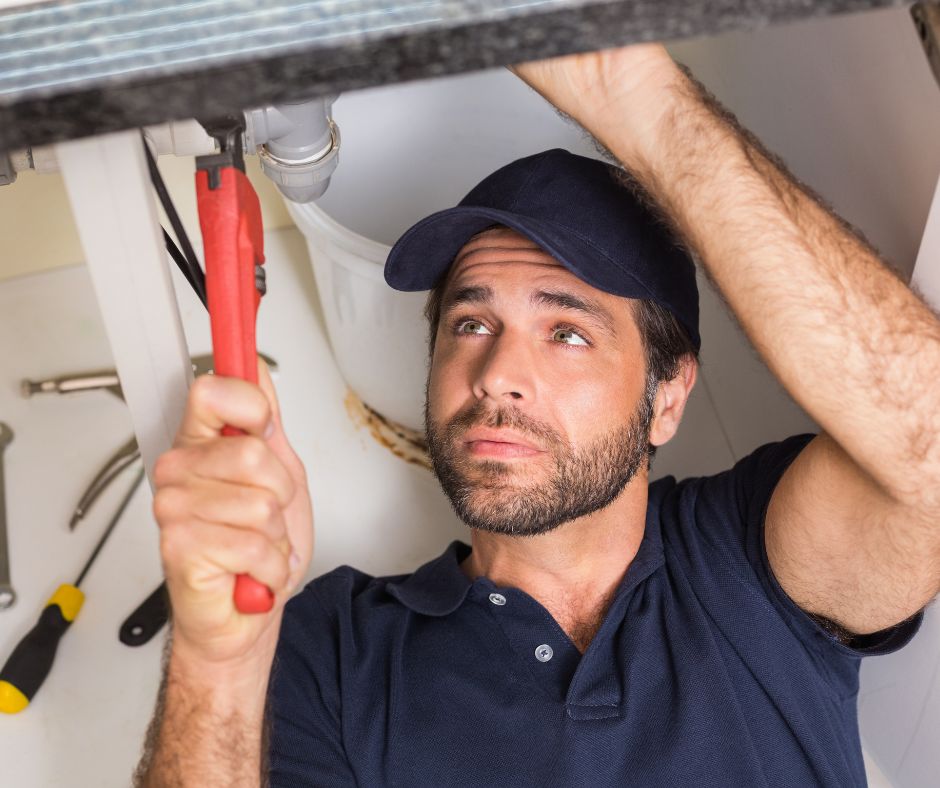
If the extent of the damage is too large for DIY fixes or if you’re dealing with significant damage such as the growth of mold or rot, it’s best to contact a professional plumber or a water damage restoration company. They can assess the type of water damage and help you with the restoration process. In some cases, you might need to file an insurance claim for extensive repairs. Make sure to contact your insurance company and document the damage with photos and receipts from any professional help you receive.
By using the right products and following these steps, you can repair water damage under your sink, prevent future leaks, and avoid costly repairs down the line. Keeping a close eye on your under-sink cabinet and kitchen cabinets will ensure that small problems don’t turn into big ones.
About HomeMembership
HomeMembership is a 5 Star Google Rated and A+ BBB home warranty company. Learn more about how they can help you with unexpected home repairs. They have a low deductible, you pick your own provider and there’s no fine print. If it’s in the brochure – it’s covered! Click here to learn more!
Related Posts