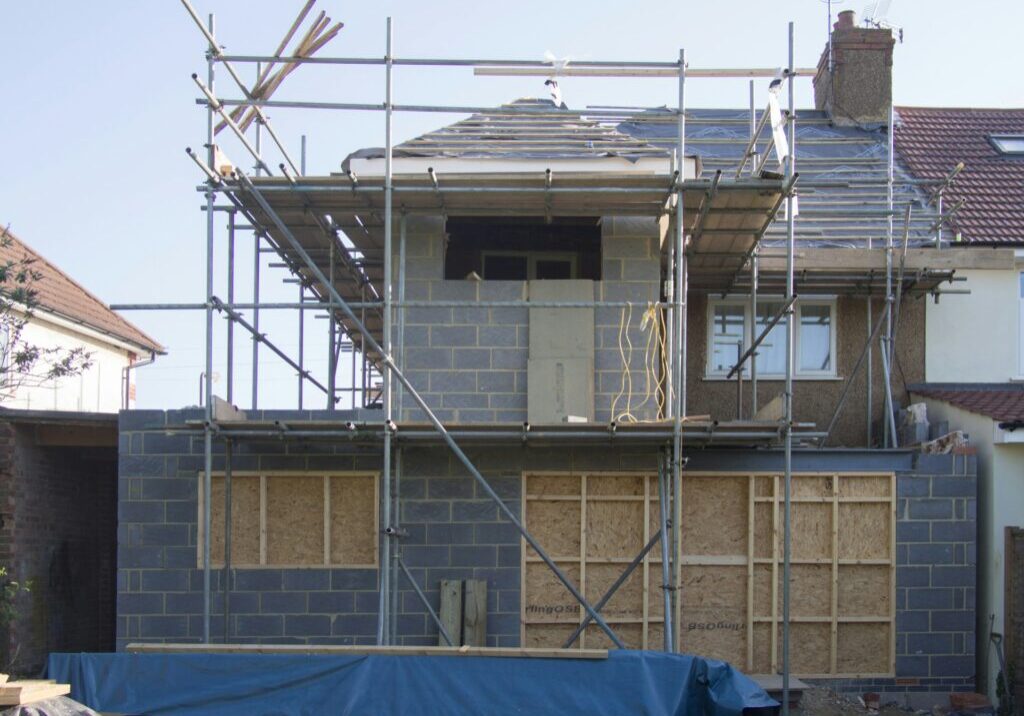
Preparing Your Home for Natural Disasters
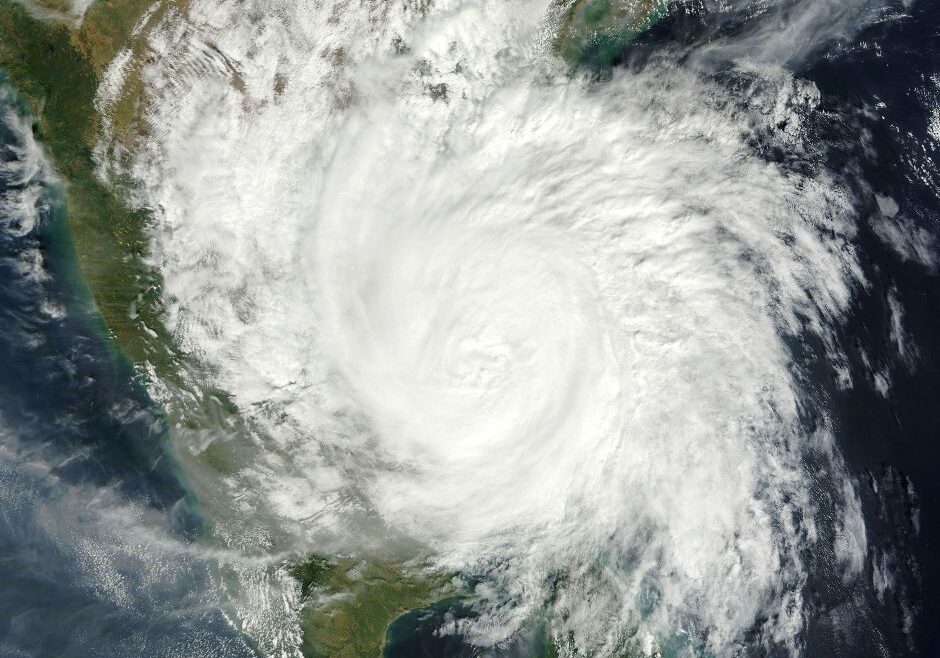
We never know when natural disasters will strike our homes. The best time to prepare is right now! Here is a helpful guide for natural disaster preparedness.
Natural disasters are unpredictable and can strike at any moment, leaving behind a trail of destruction. Preparing your home and family for such events is crucial to minimize damage and ensure safety. This comprehensive guide will cover essential steps and tips to prepare for the most common natural disasters, including hurricanes, floods, earthquakes, and winter storms.
By following these guidelines and having an emergency plan in place, you can protect your loved ones and your property when disaster strikes.
General Preparedness For Natural Disasters
Before delving into specific types of disasters, there are general preparedness steps every homeowner should take:
- Create an Emergency Plan: Involve all family members in creating an emergency plan. Discuss evacuation routes, designate a safe place to meet, and assign responsibilities to each member of your household.
- Assemble an Emergency Kit: A well-stocked emergency kit is vital. Include basic items such as:
- First aid kit
- Extra batteries
- Flashlights
- Emergency supply kit with non-perishable food and water for at least three days
- Battery-powered radio or NOAA weather radio for emergency alerts
- Waterproof container with important documents (birth certificates, social security cards, insurance papers)
- Cell phones and chargers
- Dust mask
- Complete change of clothing for each family member
- Personal items and medications for special needs individuals
- Airtight plastic bags to protect important items
- Home Maintenance and Safety: Regularly inspect your home and make necessary repairs to ensure it can withstand severe weather. Secure loose items and outdoor furniture, install storm shutters, and reinforce garage doors.
- Review Insurance Policies: Make sure you have proper insurance coverage for different types of disasters. Contact your insurance company to review your homeowners insurance, home insurance policy, and specific policies for flood and earthquake damage.
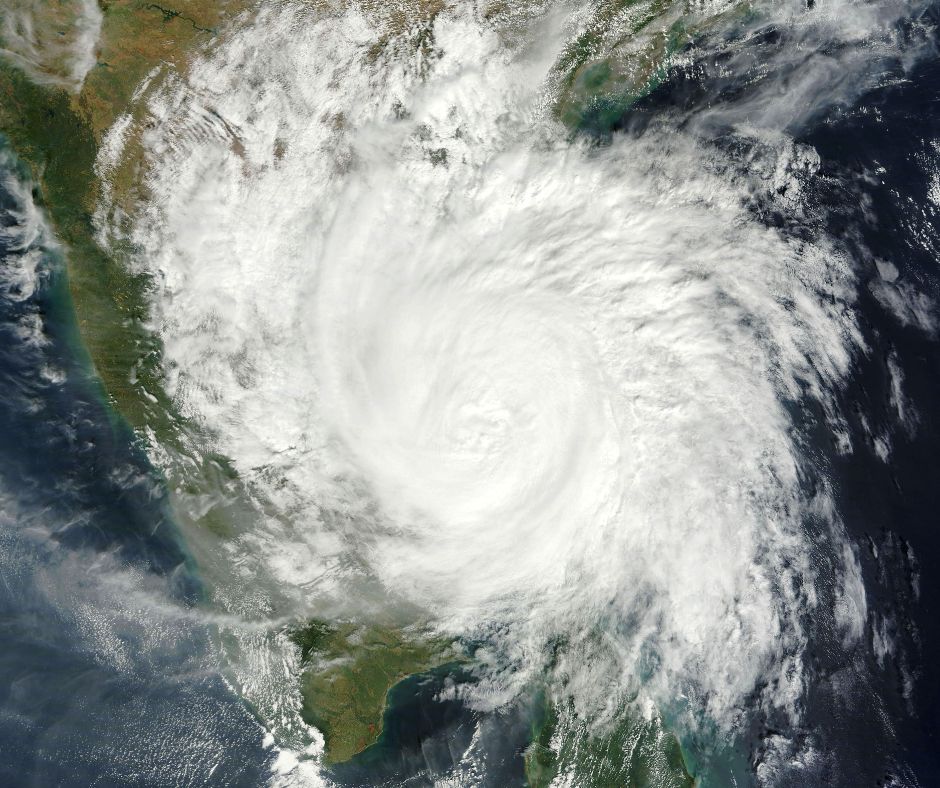
Hurricane Preparedness
Hurricanes can cause extensive damage due to high winds, heavy rainfall, and storm surges. Here’s how to prepare for hurricane season:
- Secure Your Home: Install storm shutters or board up windows, reinforce garage doors, and secure loose items outside.
- Emergency Kit: Ensure your emergency kit is up to date with all necessary items.
- Evacuation Plan: Know your evacuation routes and have a plan for a safe location in case of a mandatory evacuation.
- Waterproofing: Use waterproof containers to store important documents and valuables. Consider sump pumps to prevent flood damage.
- Communication: Keep cell phones charged and have a list of important phone numbers. Use text messages to stay in touch with family members.

Flood Preparedness
Floods can occur suddenly and cause significant damage. Take these steps to protect your home:
- Flood Insurance: Enroll in the National Flood Insurance Program (NFIP) to cover potential flood damage.
- Elevation: Elevate your water heater, electrical panels, and other critical systems above potential flood levels.
- Barriers: Use sandbags, plastic sheeting, and other barriers to prevent water from entering your home.
- Emergency Plan: Know the location of nearby shelter locations and have a plan for evacuating to a safe place.
- Supply Kit: Ensure your emergency supply kit is ready with necessary items and important family documents.
Earthquake Preparedness
Earthquakes strike without warning, making it essential to be prepared in advance:
- Secure Heavy Items: Anchor heavy furniture, water heaters, and appliances to walls. Use locked padlocks for cabinets to prevent contents from spilling out.
- Emergency Kit: Keep your emergency kit in an easily accessible location. Include a first aid kit, extra batteries, and important documents.
- Safe Spots: Identify safe spots in each room, such as under sturdy furniture or against interior walls, and practice “Drop, Cover, and Hold On” drills.
- Communication Plan: Have a communication plan in place with emergency contacts and designated meeting spots.

Winter Storm Preparedness
Winter storms can bring extreme cold, snow, and ice, disrupting daily life. Prepare your home and family with these steps:
- Insulation: Insulate pipes, water lines, and your home’s water supply to prevent freezing.
- Heating: Ensure your heating system is in good condition. Have backup heating options like space heaters or a wood-burning stove.
- Supplies: Keep a well-stocked emergency preparedness kit with non-perishable food, water, and warm clothing. Include a battery-powered radio for emergency alerts.
- Vehicle: Prepare your vehicle with emergency supplies, including blankets, ice scraper, and a shovel. Keep the gas tank full.
- Safe Place: Designate a warm and safe place in your home to gather during a storm.
Additional Tips
- Communication: Keep a list of phone numbers for local officials, emergency contacts, and insurance companies. Use text messages to conserve battery power and ensure communication during emergencies.
- Home Inventory: Maintain a home inventory of valuable items and personal belongings. This can help with insurance claims in the event of a disaster.
- Emergency Alerts: Sign up for emergency alerts and stay informed about weather-related emergencies through the National Oceanic and Atmospheric Administration (NOAA) and other sources.
- Local Resources: Familiarize yourself with resources available from local governments, the Federal Emergency Management Agency (FEMA), and the American Red Cross.
- Insurance Coverage: Regularly review your insurance policies to ensure adequate coverage for all types of disasters. Consider additional coverage for specific risks like flood or earthquake damage.
What if it happens?
Natural disaster preparedness is essential for the safety and well-being of your family and home. By taking proactive steps and having a comprehensive emergency plan, you can minimize the impact of these events. But what do you do after disaster strikes?
Effective Natural Disasters Recovery Steps
Recovering from a natural disaster can be a challenging and stressful process. However, taking organized and methodical steps can help you navigate this difficult period more effectively. Here are key actions to take during the disaster recovery phase:

Immediate Actions
Ensure Safety:
- Check for injuries and administer first aid if needed. Contact emergency services if anyone requires medical attention.
- Be cautious of hazards such as downed power lines, gas leaks, and structural damage. Avoid entering buildings that appear unsafe.
Stay Informed:
- Listen to local news and emergency alerts for updates on the situation and instructions from local officials. Use a battery-powered or NOAA weather radio if power is out.
Check on Family and Neighbors:
- Ensure all family members are safe and accounted for. Check on neighbors, especially those who are elderly or have special needs.
Assessing Damage
Document Everything:
- Take photos and videos of damage to your home and belongings. This documentation is crucial for insurance claims.
- Make a detailed list of damaged or lost items.
Contact Insurance Company:
- Notify your insurance company as soon as possible to begin the claims process. Provide them with your documentation and any required information.
- Understand your insurance coverage, including what is covered and what is not. Inquire about temporary housing coverage if your home is uninhabitable.
Prevent Further Damage:
- Make temporary repairs to prevent further damage, such as covering broken windows or damaged roofs with plastic sheeting or tarps.
- Keep receipts for any expenses incurred during this process for reimbursement purposes.
Financial and Legal Considerations
Apply for Assistance:
- Check if you qualify for disaster assistance from federal, state, or local agencies. FEMA and the Small Business Administration (SBA) offer various forms of aid.
- Contact the American Red Cross or other non-profit organizations that provide emergency relief and support.
Manage Finances:
- Keep track of all expenses related to the disaster. This includes repair costs, temporary living expenses, and replacement of personal items.
- Notify creditors and utility companies if you need to defer payments due to the disaster.
Replace Important Documents:
- If important documents (e.g., social security cards, birth certificates, insurance papers) were lost or damaged, begin the process of replacing them. Contact relevant agencies for guidance.
Emotional Recovery
Seek Support:
- Disasters can take a significant emotional toll. Reach out to family, friends, and community resources for support.
- Consider professional counseling if you or any family member is struggling to cope with the aftermath.
Stay Connected:
- Maintain communication with your support network. Share your experiences and seek advice from others who have gone through similar situations.
Focus on Recovery:
- Set small, achievable goals to make progress in your recovery. Celebrate each milestone to maintain a positive outlook.
Long-Term Recovery
Rebuilding:
- Work with contractors to rebuild or repair your home. Ensure they are licensed, insured, and reputable. Get written estimates and contracts before starting any work.
- Consider improvements to make your home more resilient to future disasters, such as elevating structures in flood-prone areas or reinforcing against high winds.
Restocking Supplies:
- Gradually restock your emergency preparedness kit with essential items. Review and update your emergency plan based on lessons learned from the disaster.
Review and Update Insurance Policies:
- Reevaluate your insurance coverage and consider additional policies if needed. Ensure you have adequate protection for all types of disasters.
Conclusion
Recovering from a natural disaster is a complex process that requires time, patience, and organization. By taking immediate safety measures, documenting damage, seeking financial and emotional support, and planning for long-term recovery, you can rebuild your life and home. Remember, recovery is a journey, and it’s important to take it one step at a time. Stay connected with your community and support networks, and don’t hesitate to seek help when needed.
An ounce of prevention…
Disaster preparedness is more than just a prudent measure; it is a vital practice for safeguarding your home and family against the unpredictability of natural disasters. By being proactive and well-prepared, you can significantly reduce the impact of these events and enhance your resilience.
From creating a detailed emergency plan and assembling a comprehensive emergency kit to staying informed and securing your home, every step you take today can make a substantial difference tomorrow. Remember, the best time to prepare for a disaster is before it happens. Embrace the mindset of preparedness, involve your family in planning, and ensure you are ready to face any challenge that nature may bring.
Stay safe, stay prepared, and take control of your future by investing in disaster preparedness today.
Related Posts